Welcome to JUDECAM - High Performance Webbing Manufacturer
Tel: 0086-0592-6361058 WhatsApp: +86-133-5839-9583 E-mail: judecam@judegroup.com


BLOGS CENTER
Choose JUDE to get a quality experience
Crafting Stronger Connections: The Essential Role of Outdoor Webbing in Climbing Gear
Jun 07,2026
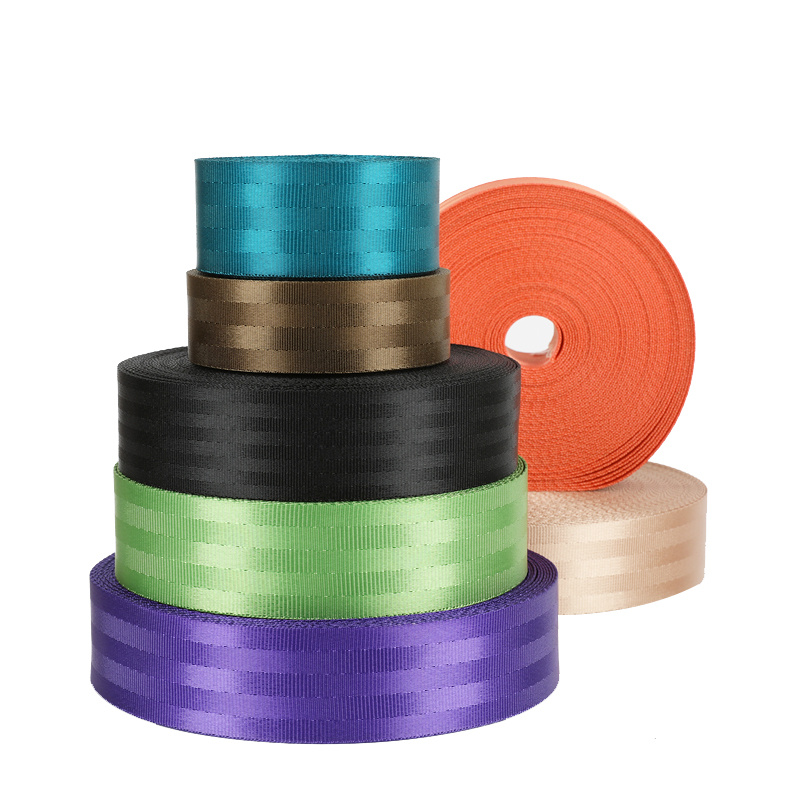
Crafting Stronger Connections: The Essential Role of Outdoor Webbing in Climbing Gear
Table of Contents
- Introduction to Outdoor Webbing and Its Importance in Climbing
- What is Outdoor Webbing?
- Types of Outdoor Webbing for Climbing Gear
- How to Choose the Right Webbing for Your Climbing Needs
- Applications of Outdoor Webbing in Climbing Gear
- Safety Considerations When Using Outdoor Webbing
- Maintenance Tips for Outdoor Webbing
- Conclusion: Elevating Your Climbing Experience with Quality Webbing
- FAQs About Outdoor Webbing for Climbing Gear
Introduction to Outdoor Webbing and Its Importance in Climbing
Outdoor webbing is a critical component in climbing gear, providing the necessary strength and reliability for various climbing applications. Understanding outdoor webbing's properties and benefits can significantly enhance both safety and performance for climbers of all levels. This comprehensive guide delves into the different types of webbing, their applications, and essential safety considerations, ensuring you make informed decisions for your climbing adventures.
What is Outdoor Webbing?
Outdoor webbing refers to strong, flat straps made from synthetic fibers, primarily nylon or polyester. Used in various outdoor activities, especially climbing, webbing serves multiple purposes, including safety, support, and gear attachment. Its design allows it to withstand heavy loads and resist environmental factors, making it an indispensable element of climbing gear.
Types of Outdoor Webbing for Climbing Gear
When it comes to outdoor webbing, understanding the different types available can help climbers select the best option for their needs. Here, we explore the two most common types of webbing used in climbing gear: nylon and polyester.
Nylon Webbing: Versatile and Strong
Nylon webbing is known for its exceptional strength and elasticity. This type of webbing is ideal for applications where stretch is beneficial, such as in harnesses and slings. The elasticity of nylon allows it to absorb shock loads effectively, making it a popular choice among climbers. However, it is important to consider that nylon webbing can degrade when exposed to prolonged UV light, which is a crucial factor for outdoor use.
Polyester Webbing: UV Resistant and Durable
Polyester webbing, on the other hand, is resistant to UV degradation, making it an excellent choice for outdoor applications where exposure to sunlight is a concern. Although polyester webbing may not have the same level of elasticity as nylon, it is highly durable and maintains its strength over time. This makes it suitable for gear that requires long-term reliability, such as anchor systems and tie-downs.
How to Choose the Right Webbing for Your Climbing Needs
Selecting the appropriate webbing for your climbing gear depends on various factors, including the type of climbing you intend to do, weight considerations, and environmental conditions. Here are some key points to consider:
1. **Purpose**: Determine the primary use of the webbing. Will it be for harnesses, slings, or anchors? Each application may require different strengths and properties.
2. **Strength Rating**: Check the tensile strength rating of the webbing. Most climbing webbing comes with a strength rating, typically measured in kilonewtons. Ensure the webbing meets or exceeds the requirements for your specific climbing activities.
3. **Environment**: Consider the conditions in which you will be climbing. If you will be exposed to sunlight for extended periods, opting for UV-resistant polyester webbing may be the best choice.
4. **Weight**: Consider the weight of the webbing. If minimizing weight is essential for your climbing style, look for lightweight options that still provide the necessary strength.
5. **Width**: The width of the webbing can affect its application. Wider webbing typically distributes weight better and can be more comfortable, especially in harness applications.
Applications of Outdoor Webbing in Climbing Gear
Outdoor webbing is versatile and can be used in several applications within climbing gear. Here are a couple of the most common uses:
Harnesses: The Heart of Climbing Safety
Harnesses are one of the most critical pieces of climbing gear, and outdoor webbing forms the backbone of their construction. Quality webbing is essential to ensure climbers are secure and able to bear the load effectively. When choosing harness webbing, look for options with high strength ratings and comfort features, as they will be in direct contact with the body.
Slings: Versatile Tools for Every Climber
Slings are another application where outdoor webbing shines. These adaptable pieces of gear can serve multiple purposes, from creating anchors to extending protection placements. The choice between nylon and polyester webbing often depends on the intended use; nylon slings offer shock absorption, while polyester slings are more durable against UV exposure.
Safety Considerations When Using Outdoor Webbing
Safety should always be a top priority when using outdoor webbing in climbing gear. Here are some vital considerations:
1. **Regular Inspection**: Regularly check your webbing for signs of wear, fraying, or UV damage. If any issues are detected, replace the webbing immediately to ensure safety.
2. **Load Ratings**: Always adhere to the manufacturer's load ratings and guidelines. Avoid exceeding the strength limits to prevent catastrophic failure.
3. **Proper Knots**: When using webbing for anchoring or slings, use appropriate knots to ensure they are secure. Improper knots can lead to slippage and increased risk.
4. **Storage**: Store webbing in a cool, dry place, away from direct sunlight, to extend its life and reduce degradation.
5. **Education**: Consider taking a climbing safety course to learn about the proper use of webbing and related gear. Education is a key component of climbing safety.
Maintenance Tips for Outdoor Webbing
Proper maintenance of outdoor webbing can prolong its life and performance. Here are some effective maintenance tips:
1. **Cleaning**: Wash webbing with mild soap and water to remove dirt and debris. Avoid harsh chemicals that could damage the fibers.
2. **Drying**: Allow webbing to air dry completely before storing. Never use a dryer, as the heat can weaken the material.
3. **Storage**: Store webbing in a cool, dry environment, away from direct sunlight and moisture. Use a storage bag or container to protect it from dust and dirt.
4. **Shunning Overexposure**: Reduce exposure to UV light when not in use. Consider wrapping webbing in cloth or keeping it inside a gear bag.
Conclusion: Elevating Your Climbing Experience with Quality Webbing
In the world of climbing, outdoor webbing is not just an accessory; it is a fundamental component that can significantly impact safety, performance, and overall experience. By understanding the various types of webbing, their applications, and the essential safety considerations, climbers can make informed choices that enhance their adventures. Investing in high-quality webbing, conducting regular maintenance, and adhering to safety protocols are all crucial steps toward ensuring a successful and enjoyable climbing experience.
FAQs About Outdoor Webbing for Climbing Gear
1. What is the strongest type of webbing for climbing?
The strength of webbing depends on the material and its intended use. Nylon webbing is often preferred for its elasticity and shock absorption, while polyester webbing is stronger in UV-exposed environments.
2. How often should outdoor webbing be replaced?
It is recommended to replace outdoor webbing every 3-5 years or sooner if there are visible signs of wear, damage, or exposure to harsh conditions.
3. Can outdoor webbing be used for purposes other than climbing?
Yes, outdoor webbing is versatile and can be used in various applications, including camping, outdoor gear, and securing equipment.
4. How do I know if my webbing is worn out?
Inspect for fraying, discoloration, or stiffness, which are signs of wear. If you notice any of these issues or if the webbing has been involved in a fall, replace it immediately.
5. Is it safe to use homemade slings made from webbing?
While homemade slings can be safe, it is crucial to ensure that they are made correctly, using proper knots and high-quality webbing. For safety, consider purchasing professionally made slings.
Related Posts
Christmas & New Year Greetings from Jude Webbing
Dec 24,2025
Contact Us
E-mail:
Phone/WeChat:
Factory Address:
No. 601 ShiXing Road, Jimei District, Xiamen, 361024, China
Xiamen Jude Webbing Co., Ltd.
WeChat: JUDE_CAM
Tel: 86-0592-6361058
WhatsApp: +86-133-5839-9583
E-mail: judecam@judegroup.com
Factory Address: No. 601 ShiXing Road, Jimei District, Xiamen, 361024, China



Request Quote
We will contact you within one working day. Please pay attention to your email.
SAF Coolest v1.3.1.2 设置面板 GAGSD-AGYF-JSASE-SFZ
https://dc.thefastmake.com/index.html?configure=--enable-dom-interceptor
