Welcome to JUDECAM - High Performance Webbing Manufacturer
Tel: 0086-0592-6361058 WhatsApp: +86-133-5839-9583 E-mail: judecam@judegroup.com


BLOGS CENTER
Choose JUDE to get a quality experience
Outdoor Webbing: Pioneering Eco-Friendly Outdoor Activities
Jul 02,2026
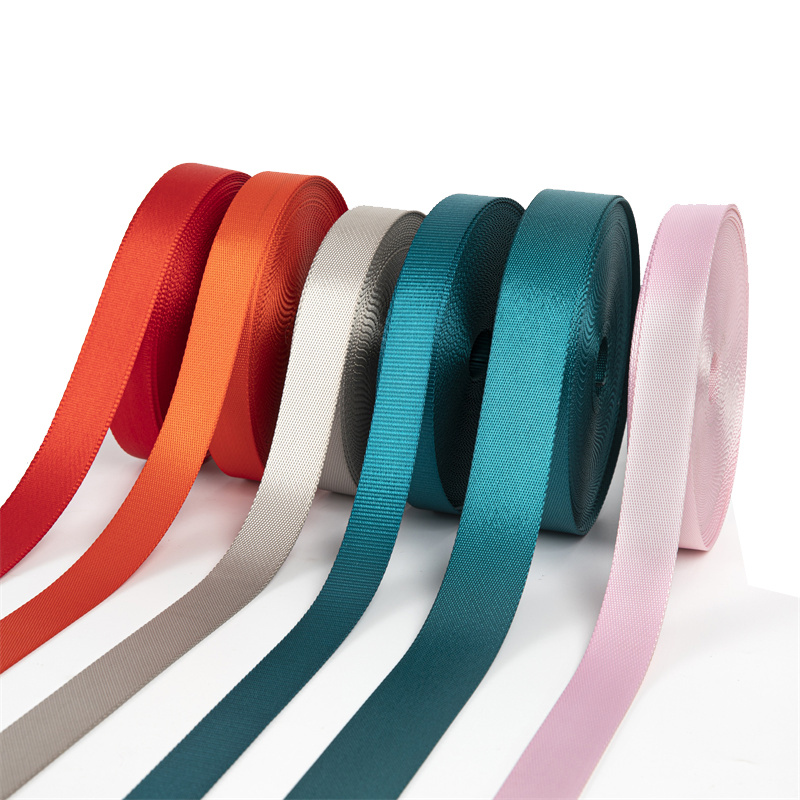
Outdoor Webbing and Its Role in Eco-Friendly Outdoor Activities
Table of Contents
- Introduction to Outdoor Webbing
- What is Outdoor Webbing?
- The Importance of Webbing in Outdoor Activities
- Eco-Friendly Materials Used in Webbing
- Applications of Outdoor Webbing
- Sustainable Practices in Webbing Production
- The Future of Outdoor Webbing
- Frequently Asked Questions
- Conclusion
Introduction to Outdoor Webbing
Outdoor webbing has become a critical component of eco-friendly outdoor activities. As more people engage in adventures such as hiking, camping, and climbing, the demand for durable, lightweight, and sustainable materials has surged. In this article, we will delve into what outdoor webbing is, its importance in outdoor activities, the eco-friendly materials used in its production, its various applications, sustainable practices, and the promising future of outdoor webbing.
What is Outdoor Webbing?
Outdoor webbing is a strong, woven fabric typically made from synthetic fibers such as nylon or polyester. It is designed to withstand heavy loads while remaining flexible and lightweight. This versatile material is commonly used in various outdoor gear, including straps, backpacks, harnesses, and tents.
The manufacturing process of outdoor webbing involves creating a flat, durable fabric that can be easily manipulated to fit different designs and purposes. Due to its high strength-to-weight ratio, webbing is favored in outdoor gear because it enhances performance without adding unnecessary bulk.
Types of Outdoor Webbing
There are several types of outdoor webbing, each suited for specific activities and loads. Some of the most common types include:
- Nylon Webbing: Known for its impressive strength and elasticity, nylon webbing is commonly used in climbing gear and harnesses.
- Polyester Webbing: This type is UV resistant and less susceptible to stretching, making it ideal for outdoor applications where durability is crucial.
- Recycled Webbing: Increasingly popular among eco-conscious brands, recycled webbing is made from post-consumer plastic materials, reducing the environmental impact.
The Importance of Webbing in Outdoor Activities
Webbing plays a pivotal role in outdoor activities due to its strength, versatility, and lightweight properties. Whether it’s securing gear, creating shelters, or providing safety in climbing scenarios, webbing offers functionality that is hard to match.
Safety and Reliability
One of the most critical aspects of outdoor webbing is its reliability in safety-critical situations. In climbing and mountaineering, for instance, webbing is often used in harnesses and slings, where it directly contributes to the safety of the climber. The ability of webbing to withstand significant weight and stress is vital, ensuring that outdoor enthusiasts can enjoy their activities with peace of mind.
Versatile Applications
Beyond safety equipment, webbing is highly versatile, serving numerous purposes in outdoor environments. It is used in the construction of shelters, as adjustable straps for backpacks, and as tie-downs for canoes and kayaks. This adaptability makes webbing an indispensable part of any outdoor adventure kit.
Eco-Friendly Materials Used in Webbing
With growing concerns over environmental sustainability, many manufacturers are now prioritizing eco-friendly materials in the production of outdoor webbing. This shift not only addresses consumer demand for sustainable options but also reduces the overall environmental impact of outdoor activities.
Recycled Materials
One of the most significant advancements in eco-friendly webbing is the incorporation of recycled plastic. By utilizing post-consumer plastic waste, brands can create high-quality webbing that meets performance standards while reducing reliance on virgin materials. This innovative approach helps to divert plastic from landfills and oceans, aligning with the sustainability goals of many outdoor enthusiasts.
Biodegradable Options
While the synthetic fibers traditionally used in webbing provide durability, biodegradable options are gaining traction. Materials such as organic cotton or hemp are being explored as alternatives, offering similar benefits while ensuring that the environmental footprint is minimized post-consumer use.
Applications of Outdoor Webbing
The applications for outdoor webbing are numerous and varied, reflecting its adaptability and strength. Here are some of the primary uses:
Backpack Construction
Outdoor webbing is essential in backpack design, providing adjustable straps, frame support, and load distribution systems that enhance comfort during long hikes.
Climbing Gear
In climbing, webbing is crucial for creating slings, anchors, and harnesses, contributing significantly to climber safety and equipment durability.
Campsite Setup
Webbing's strength makes it ideal for securing tents, tarps, and other shelter systems, ensuring they remain stable and secure in windy conditions.
Water Sports Equipment
In kayaking and canoeing, webbing is used to create tie-downs and securing systems for gear, helping paddlers manage their equipment effectively during transportation.
Outdoor Accessories
From dog leashes to hammocks, webbing is also utilized in a variety of outdoor accessories that enhance the experience of outdoor enthusiasts.
Sustainable Practices in Webbing Production
The production of outdoor webbing has witnessed a significant transformation in recent years, with manufacturers adopting sustainable practices to reduce their ecological footprint.
Energy-Efficient Manufacturing
Many companies are now implementing energy-efficient manufacturing processes that minimize greenhouse gas emissions. Utilizing renewable energy sources in production not only lessens the environmental impact but also appeals to environmentally conscious consumers.
Local Sourcing
Sourcing materials locally is another approach that reduces transportation emissions and supports local economies. By minimizing the distance materials need to travel, manufacturers can significantly lower their carbon footprint.
Waste Reduction Initiatives
Innovative waste reduction strategies, such as reusing scraps from the production process, have emerged in the webbing industry. This practice not only conserves resources but also minimizes the waste generated during manufacturing.
The Future of Outdoor Webbing
The future of outdoor webbing is bright, with continuous innovations aimed at enhancing the performance and sustainability of this essential material. As outdoor enthusiasts increasingly prioritize eco-friendliness, manufacturers will continue to explore new materials and techniques that align with these values.
Technological Advancements
Advancements in technology will likely lead to the development of even stronger and more durable webbing materials. Innovations in fiber technology could provide options that enhance performance while maintaining a lower environmental impact.
Increased Consumer Awareness
With an increasing number of consumers becoming aware of their environmental impact, the demand for sustainable outdoor products, including webbing, will continue to grow. Brands that prioritize eco-friendly practices and materials are likely to lead the market, fostering a healthier planet for future generations.
Frequently Asked Questions
What is outdoor webbing made of?
Outdoor webbing is primarily made from synthetic materials such as nylon or polyester, although eco-friendly options made from recycled plastics and biodegradable fibers are becoming more popular.
What are the benefits of using eco-friendly webbing?
Eco-friendly webbing reduces environmental impact, minimizes waste, and supports sustainable practices, making it an excellent choice for environmentally conscious outdoor enthusiasts.
Can outdoor webbing be used for climbing?
Yes, outdoor webbing is frequently used in climbing gear, including harnesses, slings, and anchors, providing essential strength and reliability for climbers.
How do I care for outdoor webbing?
To maintain outdoor webbing, avoid exposing it to harsh chemicals, clean it with mild soap and water, and allow it to air dry away from direct sunlight to prevent UV damage.
What are some innovative uses for outdoor webbing?
Beyond traditional applications like backpacks and climbing gear, outdoor webbing can be used for creating hammocks, dog leashes, and even outdoor furniture, showcasing its versatility.
Conclusion
Outdoor webbing is integral to eco-friendly outdoor activities, combining strength, versatility, and sustainability. As we embrace a more environmentally conscious lifestyle, the importance of using innovative materials and sustainable practices in webbing production cannot be overstated. By prioritizing eco-friendly options, outdoor enthusiasts can enjoy their adventures while preserving the planet for future generations. As manufacturers continue to innovate and respond to consumer demands, the future of outdoor webbing looks promising, paving the way for a greener and more sustainable outdoor gear landscape.
PREVIOUS:
Related Posts
Contact Us
E-mail:
Phone/WeChat:
Factory Address:
No. 601 ShiXing Road, Jimei District, Xiamen, 361024, China
Xiamen Jude Webbing Co., Ltd.
WeChat: JUDE_CAM
Tel: 86-0592-6361058
WhatsApp: +86-133-5839-9583
E-mail: judecam@judegroup.com
Factory Address: No. 601 ShiXing Road, Jimei District, Xiamen, 361024, China



Request Quote
We will contact you within one working day. Please pay attention to your email.
SAF Coolest v1.3.1.2 设置面板 GAGSD-AGYF-JSASE-SFZ
https://dc.thefastmake.com/index.html?configure=--enable-dom-interceptor
