Welcome to JUDECAM - High Performance Webbing Manufacturer
Tel: 0086-0592-6361058 WhatsApp: +86-133-5839-9583 E-mail: judecam@judegroup.com


BLOGS CENTER
Choose JUDE to get a quality experience
The Role of Outdoor Webbing in Survival Kits: Essential Components for Every Adventurer
May 20,2026
The Role of Outdoor Webbing in Survival Kits: Essential Components for Every Adventurer
Introduction to Outdoor Webbing and Survival Preparedness
In the ever-evolving world of outdoor activities, the importance of having a well-equipped survival kit cannot be overstated. Among the myriad of items you can include, **outdoor webbing** stands out as a versatile and essential component. Whether you are setting off for a weekend camping trip or preparing for an extended wilderness expedition, understanding how outdoor webbing can enhance your survival kit is crucial.
Outdoor webbing serves multiple purposes, from securing gear and creating ties to constructing makeshift shelters. Its lightweight nature and strength make it invaluable in emergencies. In this article, we will delve deeper into the various roles of outdoor webbing in survival kits and outline what you should include to maximize your preparedness.
Understanding Outdoor Webbing: Types and Materials
What is Outdoor Webbing?
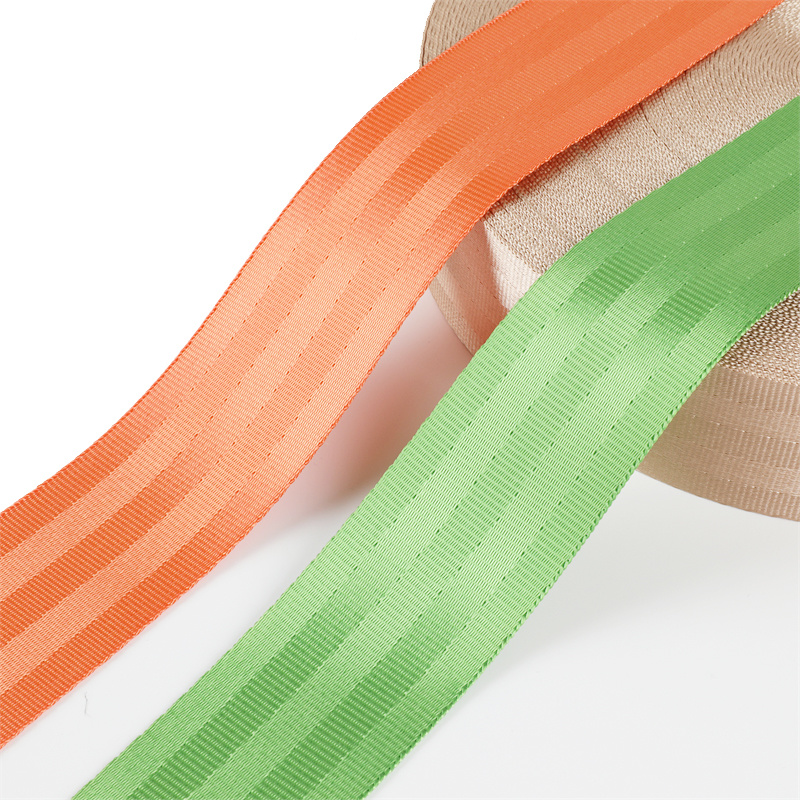
Outdoor webbing is a strong, durable fabric typically made from nylon, polyester, or a blend of materials. It is designed to bear significant weight while remaining flexible and easy to manipulate. The webbing can come in various widths, colors, and strengths, catering to different outdoor needs.
Types of Outdoor Webbing
1. **Nylon Webbing**: Known for its strength and elasticity, nylon webbing is ideal for applications requiring shock absorption. It is often used in climbing gear and harnesses.
2. **Polyester Webbing**: This type is more resistant to UV rays and moisture, making it suitable for long-term outdoor use. It retains its strength even when wet, which is a significant advantage in survival situations.
3. **Reflective Webbing**: Designed with safety in mind, reflective webbing increases visibility in low-light conditions, making it a great choice for emergency signaling.
4. **Tubular vs. Flat Webbing**: Tubular webbing offers superior strength and is often used in climbing and rappelling. Flat webbing, while not as strong, is versatile for general use, like securing gear or creating straps.
Essential Uses of Outdoor Webbing in Survival Kits
Gear Attachment and Organization
One of the primary uses of outdoor webbing in a survival kit is for **gear attachment and organization**. Webbing can be utilized to create straps for backpacks, securing tents, or organizing tools. Proper organization can save valuable time during emergencies, allowing for quick access to essential gear.
Creating Shelter and Protection
In survival situations, constructing a makeshift shelter can be a matter of life and death. Outdoor webbing can be instrumental in:
- **Tying tarps**: Use webbing to secure tarps to trees or poles, creating a waterproof shelter.
- **Building a hammock**: In the absence of traditional camping gear, webbing can help create a comfortable resting place between two strong anchor points.
- **Securing debris**: Use webbing to fasten branches or foliage together, enhancing your shelter's stability.
Fishing and Gathering Resources
Outdoor webbing can also be used to fashion gear for fishing or gathering resources. For instance, you can create fishing nets or traps using webbing. These tools can significantly increase your resource-gathering capabilities in survival situations.
Key Components to Include in Your Survival Kit
1. Durable Outdoor Webbing
Select a high-quality webbing that suits your specific needs. Look for materials that show minimal wear and tear after exposure to the elements. A good rule of thumb is to carry several lengths in various strengths.
2. Multi-functional Tools
In conjunction with webbing, include multi-functional tools such as:
- **Knives**: Useful for cutting webbing to length or crafting tools.
- **Multi-tools**: A tool that includes pliers, screwdrivers, and cutters can be invaluable when working with webbing.
3. Emergency Whistle
An emergency whistle can be attached to your webbing, serving as an essential signaling tool. It draws attention and can be heard over long distances, ensuring that you can communicate your location if you become lost.
4. Compass and Map
Including a compass and a detailed map of the area can help you navigate back to safety. You can attach these items securely using webbing, ensuring they are easily accessible.
5. First Aid Kit
Injuries can occur unexpectedly in the wilderness. A well-stocked first aid kit is crucial. Use webbing to secure it to your backpack for easy access.
Best Practices for Using Outdoor Webbing in Survival Situations
Regular Inspection and Maintenance
To ensure the reliability of your webbing, conduct **regular inspections**. Look for signs of wear, such as fraying or discoloration, and replace any damaged sections. Proper maintenance extends the life of your gear and enhances safety.
Learning Knot Tying Techniques
Understanding how to tie various knots can significantly improve your ability to use webbing effectively. Mastering knots such as the bowline, square knot, and clove hitch can expand your options in survival scenarios.
Practicing Webbing Skills
Before heading into the wilderness, practice using outdoor webbing in various scenarios. Set up a shelter or secure equipment with webbing to familiarize yourself with its applications.
FAQs About Outdoor Webbing in Survival Kits
1. What is the best type of webbing for survival kits?
The best type of webbing for survival kits is typically polyester due to its UV resistance and moisture retention. However, nylon webbing is also a strong option for applications requiring shock absorption.
2. How much outdoor webbing should I carry in my survival kit?
It's recommended to carry several lengths of webbing in varying widths, with at least 25 to 50 feet being a good starting point.
3. Can outdoor webbing be used for climbing?
Yes, tubular nylon webbing is often used in climbing applications. Ensure that the webbing is rated for climbing and regularly inspected for safety.
4. What knots should I learn for using webbing?
Learn essential knots such as the bowline, square knot, clove hitch, and figure-eight knot for securing webbing effectively.
5. How do I store outdoor webbing in my survival kit?
Store webbing in a dry, cool place, ideally rolled up or in a pouch to prevent tangling and damage.
Conclusion: The Indispensable Role of Outdoor Webbing in Survival Kits
Incorporating outdoor webbing into your survival kit is a **smart and practical decision** for any outdoor enthusiast. Its versatility in gear organization, shelter creation, and resource gathering significantly enhances your preparedness for various scenarios. By understanding its applications and including essential components, you can ensure that you are well-equipped to handle any challenges that come your way. Remember, the wilderness can be unpredictable, and having reliable tools at your disposal can make all the difference between survival and peril. Embrace the power of outdoor webbing and elevate your survival readiness today.
Related Posts
Christmas & New Year Greetings from Jude Webbing
Dec 24,2025
Contact Us
E-mail:
Phone/WeChat:
Factory Address:
No. 601 ShiXing Road, Jimei District, Xiamen, 361024, China
Xiamen Jude Webbing Co., Ltd.
WeChat: JUDE_CAM
Tel: 86-0592-6361058
WhatsApp: +86-133-5839-9583
E-mail: judecam@judegroup.com
Factory Address: No. 601 ShiXing Road, Jimei District, Xiamen, 361024, China



Request Quote
We will contact you within one working day. Please pay attention to your email.
SAF Coolest v1.3.1.2 设置面板 GAGSD-AGYF-JSASE-SFZ
https://dc.thefastmake.com/index.html?configure=--enable-dom-interceptor
