Welcome to JUDECAM - High Performance Webbing Manufacturer
Tel: 0086-0592-6361058 E-mail: judecam@judegroup.com

language

BLOGS CENTER
Choose JUDE to get a quality experience
Unveiling the Myths and Facts About Fireproof Webbing: Essential Insights for Safety and Performance
Unveiling the Myths and Facts About Fireproof Webbing
Fire safety is paramount in numerous sectors, from firefighting to industrial applications. One critical component that plays a significant role in fire safety is **fireproof webbing**. Despite its importance, misconceptions dominate the discourse surrounding this material. This article aims to clarify these myths and present factual informatio
Jan 15,2026
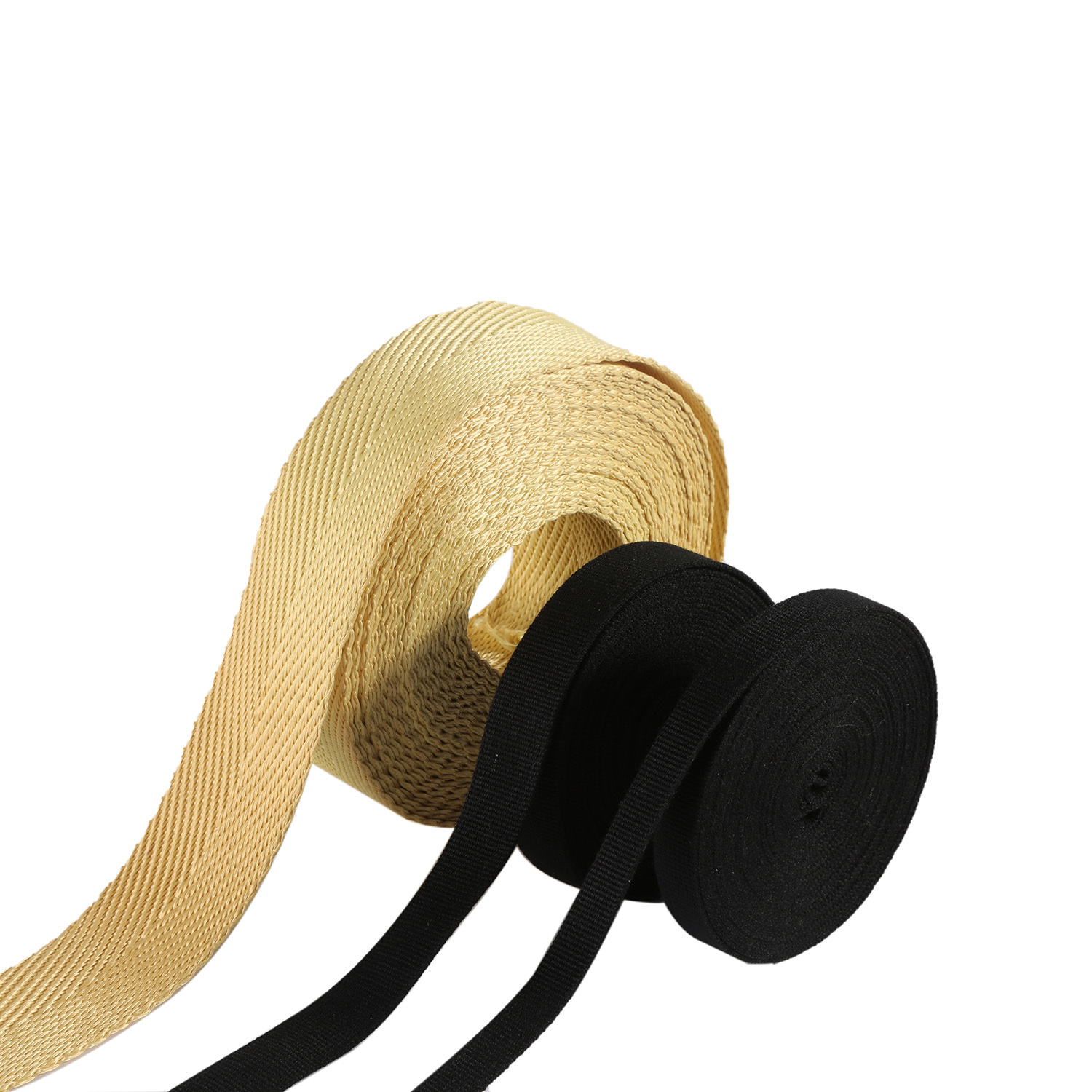
Unveiling the Myths and Facts About Fireproof Webbing
Fire safety is paramount in numerous sectors, from firefighting to industrial applications. One critical component that plays a significant role in fire safety is **fireproof webbing**. Despite its importance, misconceptions dominate the discourse surrounding this material. This article aims to clarify these myths and present factual information about fireproof webbing, its properties, and its applications.
Table of Contents
- Understanding Fireproof Webbing
- Common Myths About Fireproof Webbing
- Scientific Facts Behind Fireproof Webbing
- Applications of Fireproof Webbing
- Materials Used in Fireproof Webbing
- Choosing the Right Fireproof Webbing
- Maintenance of Fireproof Webbing
- Frequently Asked Questions (FAQs)
- Conclusion
Understanding Fireproof Webbing
Fireproof webbing is a specialized type of textile designed to resist ignition and prevent the spread of flames. Its unique properties make it suitable for various applications, including safety harnesses, firefighting gear, and other protective equipment. Understanding the composition and function of fireproof webbing is essential for ensuring safety in environments where fire hazards are prevalent.
The Importance of Fire Resistance
The ability of fireproof webbing to resist flames is crucial in emergency situations. It not only protects the wearer but also contributes to overall safety protocols in workplaces and industries where exposure to fire is a risk.
Common Myths About Fireproof Webbing
Despite its importance, many myths surround fireproof webbing. Let’s debunk some of the most common misconceptions.
Myth 1: All Fireproof Webbing is the Same
Not all fireproof webbing is created equal. Different materials have varying levels of fire resistance which can affect their performance in real-world scenarios.
Myth 2: Fireproof Webbing is Completely Flameproof
While fireproof webbing is designed to resist flames, it is not entirely flameproof. Prolonged exposure to extreme heat can still compromise its integrity, making it vital for users to understand its limitations.
Myth 3: Fireproof Webbing Requires No Maintenance
Proper maintenance is essential to ensure that fireproof webbing retains its protective properties. Neglecting to maintain it can lead to reduced effectiveness over time.
Myth 4: Fireproof Webbing is Heavy and Bulky
Advancements in textile technology have led to the development of lightweight fireproof webbing that maintains its protective qualities without being cumbersome.
Scientific Facts Behind Fireproof Webbing
Understanding the science behind fireproof webbing can help dispel myths and provide insight into its functionality and effectiveness.
The Role of Fibers in Fireproof Webbing
Fireproof webbing often utilizes advanced synthetic fibers such as **aramid, fiberglass, and PEEK (polyether ether ketone)**. These materials are engineered to withstand high temperatures and resist flames, providing superior protection.
Temperature Ratings
Fireproof webbing is tested and rated according to its temperature resistance. For instance, some materials can withstand temperatures up to 300°C (572°F), while others may endure even higher temperatures. Understanding these ratings is essential when selecting appropriate webbing for specific applications.
Applications of Fireproof Webbing
Fireproof webbing finds extensive use across various sectors, each with its unique requirements for fire resistance.
Firefighting Equipment
Firefighters rely on fireproof webbing for harnesses, ropes, and protective gear, ensuring their safety while battling blazes.
Aerospace Industry
In the aerospace sector, fireproof webbing is crucial for securing cargo and passengers, providing an essential layer of protection.
Industrial Applications
Manufacturing and construction sectors utilize fireproof webbing in safety harnesses and equipment to protect workers from potential fire hazards.
Military Gear
Military applications employ fireproof webbing for tactical gear, ensuring that personnel are safeguarded in combat situations where fire exposure is likely.
Materials Used in Fireproof Webbing
The effectiveness of fireproof webbing is largely dependent on the materials used in its construction.
Aramid Fibers
Aramid fibers are known for their high strength and heat resistance. Often used in firefighting gear, they provide excellent durability and protection.
Fiberglass
Fiberglass is another common component, offering remarkable heat resistance and lightweight properties, making it ideal for various applications.
Nomex® and Kevlar®
Nomex® and Kevlar® are proprietary materials that offer exceptional fire resistance and durability, commonly used in high-performance applications.
Choosing the Right Fireproof Webbing
Selecting the appropriate fireproof webbing involves considering several factors to ensure safety and effectiveness.
Assessing Fire Risk
Understanding the specific fire risks associated with an application is crucial when selecting fireproof webbing. Evaluate the environment and potential exposure to flames or heat.
Material Selection
Choose materials based on the level of fire resistance required, as well as factors like weight, flexibility, and intended use.
Compliance with Standards
Ensure that the fireproof webbing complies with relevant safety standards and regulations. Certifications can provide assurance of its quality and effectiveness.
Maintenance of Fireproof Webbing
Proper maintenance of fireproof webbing is essential for ensuring its longevity and effectiveness.
Regular Inspections
Conduct routine inspections to check for signs of wear, damage, or degradation. Early detection can prevent accidents and ensure ongoing protection.
Cleaning Protocols
Follow manufacturer guidelines for cleaning fireproof webbing. Improper cleaning methods can compromise its fire-resistant properties.
Storage Recommendations
Store fireproof webbing in a cool, dry place away from direct sunlight to prevent damage and degradation over time.
Frequently Asked Questions (FAQs)
1. Is fireproof webbing completely safe?
While fireproof webbing provides significant protection against flames, it is important to understand its limitations and comply with safety standards.
2. How can I determine the right fireproof webbing for my needs?
Assess the specific fire hazards, application requirements, and consult with manufacturers to find the suitable product.
3. Can fireproof webbing be repaired?
Depending on the type of damage, some fireproof webbing can be repaired. Evaluate the extent of the damage before deciding.
4. What are the signs that fireproof webbing needs to be replaced?
Signs of wear, fraying, discoloration, or damage indicate that fireproof webbing should be replaced to ensure safety.
5. Are there any certifications for fireproof webbing?
Yes, reputable manufacturers provide certifications indicating compliance with safety standards, ensuring the quality of their products.
Conclusion
In summary, fireproof webbing is an essential safety component across various industries, providing critical protection against fire hazards. By understanding the myths and facts surrounding this material, users can make informed decisions about their fire safety needs. With advancements in textile technology, fireproof webbing continues to evolve, offering enhanced protection without sacrificing comfort or usability. Prioritizing the selection and maintenance of fireproof webbing ensures safety and reliability in environments where fire risks are present.
PREVIOUS:
Related Posts
Contact Us
E-mail:
Phone/WeChat:
Factory Address:
No. 601 ShiXing Road, Jimei District, Xiamen, 361024, China
Xiamen Jude Webbing Co., Ltd.
Tel: 86-0592-6361058
E-mail: judecam@judegroup.com
Factory Address: No. 601 ShiXing Road, Jimei District, Xiamen, 361024, China



Request Quote
We will contact you within one working day. Please pay attention to your email.
SAF Coolest v1.3.1.2 设置面板 GAGSD-AGYF-JSASE-SFZ
https://dc.thefastmake.com/index.html?configure=--enable-dom-interceptor
违禁词: 第一,最,一流,领先,独一无二,王者,龙头,领导者,极致,
