Welcome to JUDECAM - High Performance Webbing Manufacturer
Tel: 0086-0592-6361058 E-mail: judecam@judegroup.com

language

BLOGS CENTER
Choose JUDE to get a quality experience
Understanding MIL SPEC Webbing: The Essential Guide for Textile Professionals
MIL SPEC webbing, short for military specification webbing, is a robust and versatile textile material that adheres to stringent military standards. These specifications ensure that the webbing meets specific performance criteria, which are crucial for applications in demanding environments. As a textile professional, understanding the properties and applications of MIL SPEC webbing can significan
Jan 14,2026
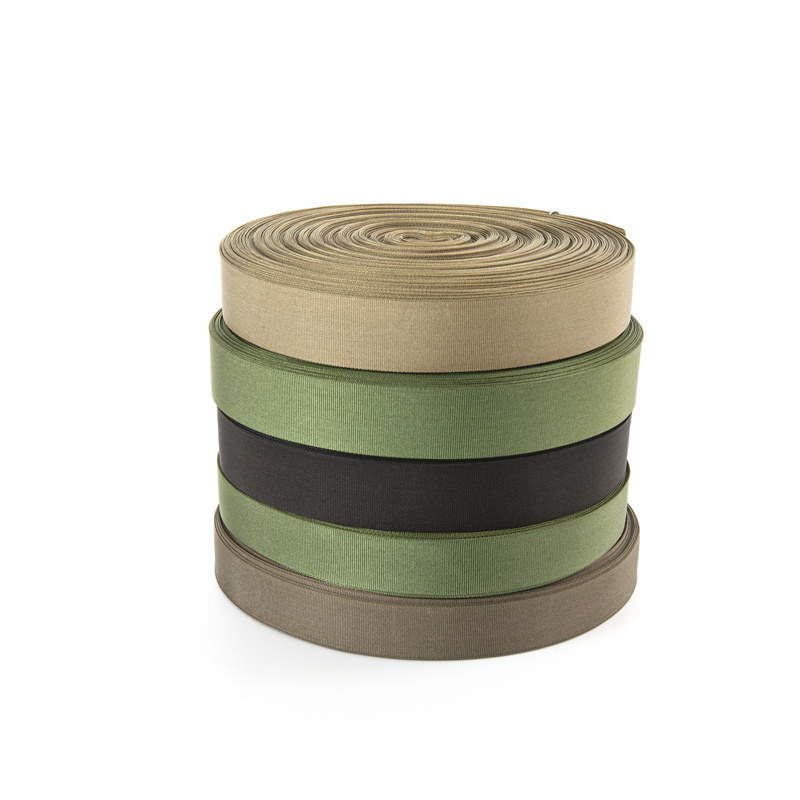
MIL SPEC webbing, short for military specification webbing, is a robust and versatile textile material that adheres to stringent military standards. These specifications ensure that the webbing meets specific performance criteria, which are crucial for applications in demanding environments. As a textile professional, understanding the properties and applications of MIL SPEC webbing can significantly enhance your product offerings.
One of the defining characteristics of MIL SPEC webbing is its exceptional strength-to-weight ratio. Typically made from nylon, polyester, or a combination of both, this webbing is designed to withstand heavy loads and resist wear and tear. Its tensile strength is often tested under rigorous conditions, ensuring that it can endure stress without compromising integrity. This makes it an ideal choice for applications such as military gear, outdoor equipment, and safety harnesses.
In addition to strength, MIL SPEC webbing is known for its durability. It is engineered to resist environmental factors such as UV light, moisture, and extreme temperatures. This resilience is particularly beneficial for outdoor applications where exposure to the elements is inevitable. The material's resistance to fraying and abrasion further extends its lifespan, making it a cost-effective solution for manufacturers.
Another important aspect of MIL SPEC webbing is its versatility. It is available in various widths, colors, and patterns, allowing manufacturers to choose the specifications that best suit their needs. Whether for straps, belts, or load-bearing equipment, MIL SPEC webbing can be tailored to fit a wide range of applications. Additionally, it can be easily processed, making it compatible with different manufacturing techniques, such as sewing, weaving, and bonding.
Knowledge of MIL SPEC standards is crucial when selecting webbing for specific projects. The standards define various performance metrics, including tensile strength, width, and resistance to various environmental factors. Understanding these requirements can help ensure that the webbing used in your products meets the necessary safety and performance criteria.
Moreover, using MIL SPEC webbing can significantly enhance your product's marketability. Products made with materials that adhere to military specifications often appeal to consumers seeking high-performance and reliable gear. This can open new avenues in both commercial and military markets, providing a competitive edge.
In conclusion, MIL SPEC webbing represents a critical resource in the textile industry, offering unparalleled strength, durability, and versatility. By understanding its properties and applications, professionals can leverage this material to create high-quality products that meet the demands of both consumers and industry standards. Embracing the benefits of MIL SPEC webbing can lead to innovative designs and increased customer satisfaction in your textile offerings.
One of the defining characteristics of MIL SPEC webbing is its exceptional strength-to-weight ratio. Typically made from nylon, polyester, or a combination of both, this webbing is designed to withstand heavy loads and resist wear and tear. Its tensile strength is often tested under rigorous conditions, ensuring that it can endure stress without compromising integrity. This makes it an ideal choice for applications such as military gear, outdoor equipment, and safety harnesses.
In addition to strength, MIL SPEC webbing is known for its durability. It is engineered to resist environmental factors such as UV light, moisture, and extreme temperatures. This resilience is particularly beneficial for outdoor applications where exposure to the elements is inevitable. The material's resistance to fraying and abrasion further extends its lifespan, making it a cost-effective solution for manufacturers.
Another important aspect of MIL SPEC webbing is its versatility. It is available in various widths, colors, and patterns, allowing manufacturers to choose the specifications that best suit their needs. Whether for straps, belts, or load-bearing equipment, MIL SPEC webbing can be tailored to fit a wide range of applications. Additionally, it can be easily processed, making it compatible with different manufacturing techniques, such as sewing, weaving, and bonding.
Knowledge of MIL SPEC standards is crucial when selecting webbing for specific projects. The standards define various performance metrics, including tensile strength, width, and resistance to various environmental factors. Understanding these requirements can help ensure that the webbing used in your products meets the necessary safety and performance criteria.
Moreover, using MIL SPEC webbing can significantly enhance your product's marketability. Products made with materials that adhere to military specifications often appeal to consumers seeking high-performance and reliable gear. This can open new avenues in both commercial and military markets, providing a competitive edge.
In conclusion, MIL SPEC webbing represents a critical resource in the textile industry, offering unparalleled strength, durability, and versatility. By understanding its properties and applications, professionals can leverage this material to create high-quality products that meet the demands of both consumers and industry standards. Embracing the benefits of MIL SPEC webbing can lead to innovative designs and increased customer satisfaction in your textile offerings.
PREVIOUS:
Related Posts
Contact Us
E-mail:
Phone/WeChat:
Factory Address:
No. 601 ShiXing Road, Jimei District, Xiamen, 361024, China
Xiamen Jude Webbing Co., Ltd.
Tel: 86-0592-6361058
E-mail: judecam@judegroup.com
Factory Address: No. 601 ShiXing Road, Jimei District, Xiamen, 361024, China



Request Quote
We will contact you within one working day. Please pay attention to your email.
SAF Coolest v1.3.1.2 设置面板 GAGSD-AGYF-JSASE-SFZ
https://dc.thefastmake.com/index.html?configure=--enable-dom-interceptor
违禁词: 第一,最,一流,领先,独一无二,王者,龙头,领导者,极致,
