Welcome to JUDECAM - High Performance Webbing Manufacturer
Tel: 0086-0592-6361058 E-mail: judecam@judegroup.com

language

BLOGS CENTER
Choose JUDE to get a quality experience
The Environmental Impact of Outdoor Webbing: What You Should Know
The Environmental Impact of Outdoor Webbing: What You Should Know
Outdoor webbing plays a crucial role in various activities, including camping, climbing, and boating. However, as our awareness of environmental issues grows, it's essential to delve into the less-discussed impacts of these products. In this comprehensive guide, we will explore the environmental footprint of outdoor webbing, the m
Jan 13,2026
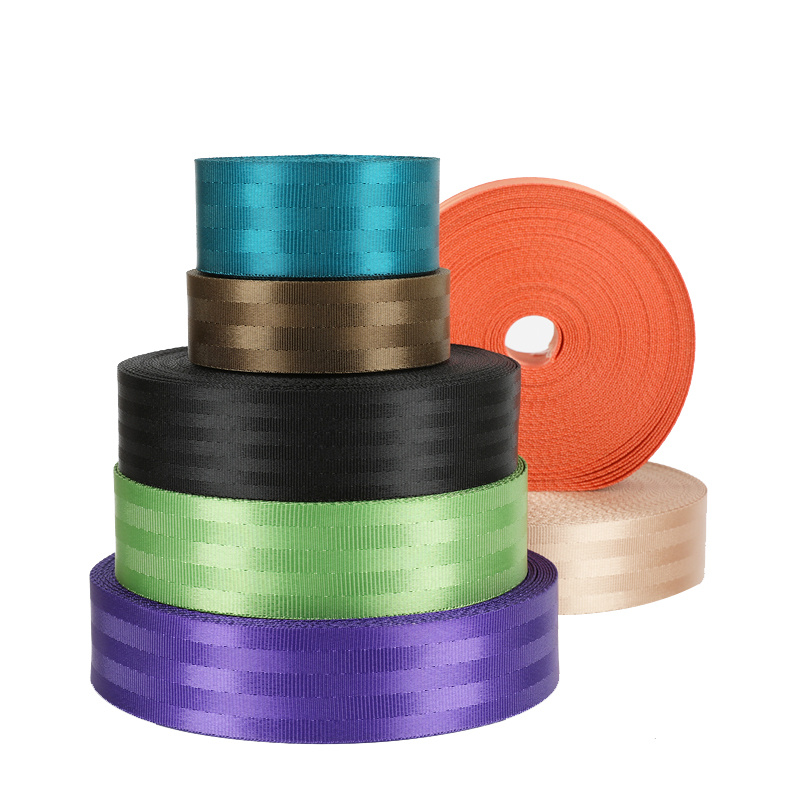
The Environmental Impact of Outdoor Webbing: What You Should Know
Outdoor webbing plays a crucial role in various activities, including camping, climbing, and boating. However, as our awareness of environmental issues grows, it's essential to delve into the less-discussed impacts of these products. In this comprehensive guide, we will explore the environmental footprint of outdoor webbing, the materials used, their production processes, and how we can make more sustainable choices.
Table of Contents
- Introduction to Outdoor Webbing
- Common Materials Used in Outdoor Webbing
- The Production Impact of Outdoor Webbing
- The Usage Lifecycle of Outdoor Webbing
- Disposal Issues and Environmental Concerns
- Choosing Sustainable Outdoor Webbing
- How to Reduce Your Environmental Impact
- Future Trends in Eco-Friendly Outdoor Webbing
- Frequently Asked Questions
- Conclusion
Introduction to Outdoor Webbing
Outdoor webbing is a versatile material used in a variety of applications, from securing gear to creating durable straps for outdoor furniture. Typically made from synthetic fibers, such as nylon or polyester, webbing is celebrated for its strength and durability. However, the environmental consequences of these materials, particularly in terms of production, usage, and disposal, warrant careful consideration.
Common Materials Used in Outdoor Webbing
The most common materials used in outdoor webbing include:
Nylon
Nylon is known for its exceptional strength and resistance to abrasion. However, its production process is energy-intensive and often involves harmful chemicals. The environmental footprint of nylon includes significant greenhouse gas emissions and water pollution.
Polyester
Polyester is another widely used material in outdoor webbing. While it has a lower environmental impact compared to nylon, its production still involves the use of fossil fuels and harmful processes. Recycled polyester has emerged as a more sustainable alternative, but its availability is still limited in the market.
Natural Fibers
Although less common, some outdoor webbing products are made from natural fibers like cotton or hemp. These materials are biodegradable and have a lower overall environmental impact. However, they may not match the durability of synthetic options.
The Production Impact of Outdoor Webbing
The production of outdoor webbing, particularly synthetic options, has significant environmental consequences.
Resource Consumption
The extraction and processing of raw materials for nylon and polyester require substantial energy and water resources. This leads to resource depletion and contributes to water scarcity in areas where production occurs.
Pollution and Emissions
The manufacturing process for synthetic fibers often releases pollutants into the air and water. Toxic chemicals used in dyeing and finishing contribute to environmental degradation, impacting ecosystems and human health.
Carbon Footprint
The carbon footprint associated with the production of outdoor webbing is considerable. From the extraction of fossil fuels to the energy-intensive manufacturing processes, these products contribute to global warming and climate change.
The Usage Lifecycle of Outdoor Webbing
Understanding the usage lifecycle of outdoor webbing is essential to assess its environmental impact effectively.
Durability and Longevity
One of the benefits of outdoor webbing is its longevity. High-quality webbing can last for years, reducing the need for frequent replacements. However, the durability of synthetic materials also means that they persist in the environment long after disposal.
Care and Maintenance
Proper care and maintenance can extend the life of outdoor webbing. Regular cleaning and storage away from direct sunlight can prevent degradation and reduce waste.
Disposal Issues and Environmental Concerns
The disposal of outdoor webbing raises significant environmental concerns.
Landfill Impact
Most synthetic outdoor webbing is non-biodegradable, taking hundreds of years to decompose in a landfill. This contributes to the growing problem of plastic pollution, which adversely affects wildlife and ecosystems.
Recycling Challenges
While recycling options exist for some types of outdoor webbing, they are often limited. The complexity of materials and lack of recycling facilities make it challenging to process used webbing effectively, leading to more waste.
Choosing Sustainable Outdoor Webbing
As consumers become increasingly aware of environmental issues, companies are beginning to offer more sustainable options for outdoor webbing.
Recycled Materials
Look for webbing made from recycled materials, such as recycled polyester. These products help reduce waste and the demand for virgin resources, making them an eco-friendlier choice.
Natural Fiber Alternatives
Consider outdoor webbing made from natural fibers. While they may not be as durable as synthetic options, they are biodegradable and have a lower overall environmental impact.
Eco-Friendly Certifications
Choose products that come with eco-friendly certifications, such as GOTS (Global Organic Textile Standard) or OEKO-TEX. These certifications ensure that the materials used have met specific environmental and social standards.
How to Reduce Your Environmental Impact
Reducing your environmental impact while using outdoor webbing requires conscious choices and actions.
Proper Care and Storage
Extend the life of your outdoor webbing by following proper care instructions. Keep it clean and store it in a cool, dry place to prevent deterioration.
Repurposing and Upcycling
If your outdoor webbing has reached the end of its usable life, consider repurposing or upcycling it. Use it for DIY projects, such as belts, bag straps, or home decor items, rather than throwing it away.
Support Sustainable Brands
Choose to purchase from brands that prioritize sustainability in their manufacturing processes and materials. Supporting these companies encourages eco-friendly practices within the industry.
Future Trends in Eco-Friendly Outdoor Webbing
The future of outdoor webbing is increasingly leaning toward sustainability and environmental responsibility.
Innovative Materials
Research into innovative materials, such as bio-based polymers and biodegradable options, is on the rise. These materials aim to provide the durability of synthetic fibers while reducing the environmental impact.
Increased Recycling Initiatives
As awareness of plastic pollution grows, companies are investing in recycling initiatives to make it easier to recycle outdoor webbing products. This shift could drastically reduce waste in landfills.
Consumer Awareness and Education
As consumers become more educated about the environmental impact of outdoor webbing and textiles, it will create a demand for sustainable options. This shift will push companies to adopt greener practices and produce eco-friendly products.
Frequently Asked Questions
What is outdoor webbing made from?
Outdoor webbing is primarily made from synthetic materials, such as nylon and polyester. Some options are made from natural fibers like cotton or hemp.
How does outdoor webbing impact the environment?
The environmental impact of outdoor webbing includes resource consumption during production, pollution, greenhouse gas emissions, and long-lasting waste in landfills.
Are there sustainable alternatives to outdoor webbing?
Yes, sustainable alternatives include outdoor webbing made from recycled materials and natural fibers. These options generally have a lower environmental impact.
How can I extend the life of my outdoor webbing?
Proper care, such as regular cleaning and avoiding prolonged exposure to sunlight, can help extend the life of outdoor webbing.
What should I do with old outdoor webbing?
Consider repurposing or upcycling old outdoor webbing into DIY projects or look for recycling programs that accept textile waste.
Conclusion
The environmental impact of outdoor webbing is a significant concern that requires our attention. By understanding the materials used, the production processes, and the disposal issues associated with outdoor webbing, we can make informed decisions. Opting for sustainable alternatives and taking measures to extend the life of our products can help reduce our ecological footprint. As we move forward, it's crucial to support brands that prioritize sustainability, ensuring a healthier planet for future generations.
Related Posts
Contact Us
E-mail:
Phone/WeChat:
Factory Address:
No. 601 ShiXing Road, Jimei District, Xiamen, 361024, China
Xiamen Jude Webbing Co., Ltd.
Tel: 86-0592-6361058
E-mail: judecam@judegroup.com
Factory Address: No. 601 ShiXing Road, Jimei District, Xiamen, 361024, China



Request Quote
We will contact you within one working day. Please pay attention to your email.
SAF Coolest v1.3.1.2 设置面板 GAGSD-AGYF-JSASE-SFZ
https://dc.thefastmake.com/index.html?configure=--enable-dom-interceptor
违禁词: 第一,最,一流,领先,独一无二,王者,龙头,领导者,极致,
