Welcome to JUDECAM - High Performance Webbing Manufacturer
Tel: 0086-0592-6361058 E-mail: judecam@judegroup.com

language

BLOGS CENTER
Choose JUDE to get a quality experience
Exploring the Versatility and Applications of Nylon Webbing in Textile Industry
Nylon webbing is a type of woven fabric made primarily from nylon fibers, known for its strength, durability, and resistance to wear and tear. In the textile industry, particularly within the sector of other textile products, nylon webbing serves various functions, making it a staple material in the design and production of numerous items.
One of the most significant properties of nylon webbing is
Jan 06,2026
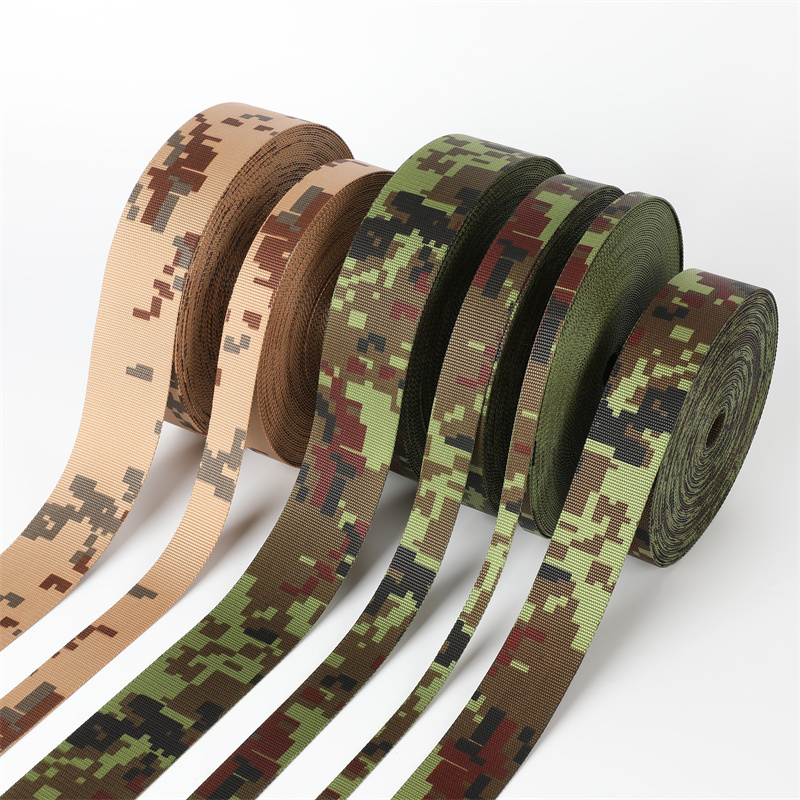
Nylon webbing is a type of woven fabric made primarily from nylon fibers, known for its strength, durability, and resistance to wear and tear. In the textile industry, particularly within the sector of other textile products, nylon webbing serves various functions, making it a staple material in the design and production of numerous items.
One of the most significant properties of nylon webbing is its high tensile strength. This characteristic makes it suitable for load-bearing applications, such as harnesses, straps, and belts. The ability to withstand considerable force without tearing or stretching ensures that products made from nylon webbing can handle the demands of outdoor activities, military applications, and heavy-duty equipment. Additionally, nylon's intrinsic resistance to UV light and moisture makes it an ideal choice for outdoor gear that must endure varying environmental conditions.
The versatility of nylon webbing extends beyond functionality; it can also be manufactured in a variety of widths, colors, and patterns. This adaptability allows designers and manufacturers to create customized solutions tailored to specific industries or consumer preferences. For instance, fashion designers often incorporate nylon webbing into bags, accessories, and apparel, capitalizing on its aesthetic appeal and robust characteristics.
When selecting nylon webbing for a project, there are several factors to consider. First, it’s essential to understand the specific application requirements, such as the load-bearing capacity, environmental exposure, and intended use. Different types of webbing, such as tubular or flat nylon webbing, may be more suitable depending on these criteria. Additionally, examining the weave type—whether it’s plain, satin, or jacquard—can affect both the strength and appearance of the final product.
Proper maintenance and care are also critical for ensuring the longevity of nylon webbing products. It is advisable to avoid exposure to harsh chemicals, as they can degrade the material over time. Cleaning nylon webbing with mild soap and water is typically sufficient to maintain its appearance and functionality.
In conclusion, nylon webbing is a versatile and essential material within the textile industry, particularly in manufacturing other textile products. Its unique combination of strength, durability, and aesthetic flexibility makes it a preferred choice across various applications. By understanding the properties and best practices associated with nylon webbing, professionals in the textile sector can leverage its advantages to create innovative and high-quality products.
One of the most significant properties of nylon webbing is its high tensile strength. This characteristic makes it suitable for load-bearing applications, such as harnesses, straps, and belts. The ability to withstand considerable force without tearing or stretching ensures that products made from nylon webbing can handle the demands of outdoor activities, military applications, and heavy-duty equipment. Additionally, nylon's intrinsic resistance to UV light and moisture makes it an ideal choice for outdoor gear that must endure varying environmental conditions.
The versatility of nylon webbing extends beyond functionality; it can also be manufactured in a variety of widths, colors, and patterns. This adaptability allows designers and manufacturers to create customized solutions tailored to specific industries or consumer preferences. For instance, fashion designers often incorporate nylon webbing into bags, accessories, and apparel, capitalizing on its aesthetic appeal and robust characteristics.
When selecting nylon webbing for a project, there are several factors to consider. First, it’s essential to understand the specific application requirements, such as the load-bearing capacity, environmental exposure, and intended use. Different types of webbing, such as tubular or flat nylon webbing, may be more suitable depending on these criteria. Additionally, examining the weave type—whether it’s plain, satin, or jacquard—can affect both the strength and appearance of the final product.
Proper maintenance and care are also critical for ensuring the longevity of nylon webbing products. It is advisable to avoid exposure to harsh chemicals, as they can degrade the material over time. Cleaning nylon webbing with mild soap and water is typically sufficient to maintain its appearance and functionality.
In conclusion, nylon webbing is a versatile and essential material within the textile industry, particularly in manufacturing other textile products. Its unique combination of strength, durability, and aesthetic flexibility makes it a preferred choice across various applications. By understanding the properties and best practices associated with nylon webbing, professionals in the textile sector can leverage its advantages to create innovative and high-quality products.
Related Posts
Contact Us
E-mail:
Phone/WeChat:
Factory Address:
No. 601 ShiXing Road, Jimei District, Xiamen, 361024, China
Xiamen Jude Webbing Co., Ltd.
Tel: 86-0592-6361058
E-mail: judecam@judegroup.com
Factory Address: No. 601 ShiXing Road, Jimei District, Xiamen, 361024, China



Request Quote
We will contact you within one working day. Please pay attention to your email.
SAF Coolest v1.3.1.2 设置面板 GAGSD-AGYF-JSASE-SFZ
https://dc.thefastmake.com/index.html?configure=--enable-dom-interceptor
违禁词: 第一,最,一流,领先,独一无二,王者,龙头,领导者,极致,
