Welcome to JUDECAM - High Performance Webbing Manufacturer
Tel: 0086-0592-6361058 E-mail: judecam@judegroup.com

language

BLOGS CENTER
Choose JUDE to get a quality experience
How to Properly Care for and Maintain Your Military Webbing for Longevity and Performance
How to Properly Care for and Maintain Your Military Webbing
Table of Contents
Understanding Military Webbing
The Importance of Proper Care and Maintenance
Step-by-Step Guide to Cleaning Military Webbing
Supplies Needed for Cleaning
The Cleaning Process
Drying and Storing Your Webbing
Inspecting Your Military Webbing for Damage
How to Repai
Jan 07,2026
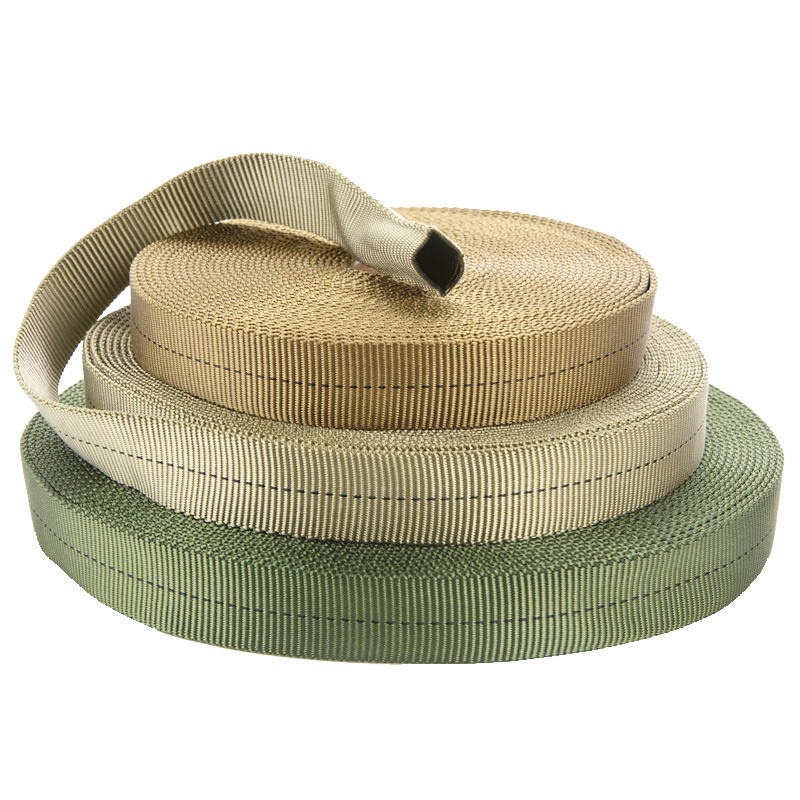
How to Properly Care for and Maintain Your Military Webbing
Table of Contents
- Understanding Military Webbing
- The Importance of Proper Care and Maintenance
- Step-by-Step Guide to Cleaning Military Webbing
- Drying and Storing Your Webbing
- Inspecting Your Military Webbing for Damage
- How to Repair Your Military Webbing
- Protecting Your Webbing from Environmental Damage
- Common Mistakes to Avoid
- Frequently Asked Questions
Understanding Military Webbing
Military webbing is a robust and versatile material that serves various functions, from securing equipment to providing structure in gear. Typically made from nylon or polyester, military webbing is designed to withstand extreme conditions, making it essential for military personnel. Understanding the construction and purpose of military webbing is crucial to ensuring its longevity and performance.
The Importance of Proper Care and Maintenance
Caring for your military webbing is not just about cleanliness; it’s about maintaining functionality and safety. When webbing is dirty or damaged, it can lead to decreased performance, which may be critical in high-stakes situations. Regular maintenance extends the lifespan of your gear, ensuring that it remains reliable when you need it most. Proper care also helps in preserving the webbing’s structural integrity, preventing premature wear and tear.
Step-by-Step Guide to Cleaning Military Webbing
Cleaning military webbing is essential to maintain its appearance and functionality. Here’s a detailed guide on how to carry out the cleaning process effectively.
Supplies Needed for Cleaning
Before beginning, it’s important to gather the right supplies:
- Mild soap or detergent
- Warm water
- A soft brush or sponge
- A clean, dry towel
- A bucket or basin
Having these items ready will streamline the cleaning process and ensure thorough results.
The Cleaning Process
1. **Prepare the Cleaning Solution**: In a bucket or basin, mix warm water with a small amount of mild soap or detergent. Avoid harsh chemicals, as these can degrade the fabric.
2. **Remove Excess Dirt**: If the webbing has mud or debris, gently shake it off or use a soft brush to remove the larger particles.
3. **Soak the Webbing**: Submerge the webbing in the cleaning solution for about 10-15 minutes. This allows the soap to penetrate and lift dirt and grime.
4. **Scrub Gently**: Using a soft brush or sponge, scrub the webbing gently. Pay attention to any stubborn spots or stains, being careful not to damage the fibers.
5. **Rinse Thoroughly**: After cleaning, rinse the webbing in clean, cool water to remove all soap residues. Ensure no soap is left to avoid any potential degradation of the material.
6. **Dry Carefully**: Lay the webbing flat on a clean towel to absorb excess water before air-drying in a shaded area. Avoid direct sunlight, as UV rays can weaken the fibers.
Drying and Storing Your Webbing
Proper drying and storage procedures are vital for maintaining the quality of your military webbing.
- **Drying**: As mentioned, always air-dry your webbing. Hanging it can cause stretching, while tumble drying can lead to heat damage. Ensure it is completely dry to prevent mildew or mold growth.
- **Storing**: Once dry, store your webbing in a cool, dry place away from direct sunlight and extreme humidity. Consider using a protective storage bag to keep it free from dust and pests.
Inspecting Your Military Webbing for Damage
Regular inspections of your military webbing are critical in identifying wear and tear. Look for:
- Frayed edges or seams
- Discoloration
- Signs of mold or mildew
- Sticky or stiff areas (which may indicate damage)
Any significant damage should be addressed immediately to prevent further issues.
How to Repair Your Military Webbing
If you notice any damage, here are a few common repair techniques:
- **Sewing**: Minor frays or tears can often be repaired by sewing. Use a heavy-duty needle and strong thread to reinforce the area.
- **Webbing Tape**: In cases of larger tears, webbing tape can be used to patch the damaged section. Cut the tape to size and secure it with stitching.
- **Replacement**: If the damage is extensive, replacing the webbing may be the best option. This ensures your gear remains safe and functional.
Protecting Your Webbing from Environmental Damage
Environmental factors can significantly impact the longevity of your military webbing. Here are some strategies to mitigate damage:
- **Avoid Excessive Sun Exposure**: Prolonged sun exposure can weaken fibers. Use covers or store your gear in a shaded area when not in use.
- **Keep Away from Chemicals**: Store your military webbing away from harsh chemicals or solvents, as these can break down the material.
- **Limit Abrasion**: Be cautious when using your webbing against rough surfaces. Frequent friction can lead to premature wear.
Common Mistakes to Avoid
When caring for military webbing, avoid these common pitfalls:
- **Using Harsh Chemicals**: Always stick to mild soaps. Harsh detergents can degrade the material.
- **Not Drying Properly**: Failing to fully dry your webbing can lead to mold and mildew growth.
- **Neglecting Regular Inspections**: Regular checks can help catch minor issues before they become serious problems.
Frequently Asked Questions
1. How often should I clean my military webbing?
It is recommended to clean your military webbing after each use, especially if it has been exposed to dirt or moisture. Regular cleaning helps maintain its performance and appearance.
2. Can I put military webbing in the washing machine?
It is generally advised against machine washing as it may lead to damage. Hand washing is the safest method.
3. How can I remove stubborn stains from my webbing?
For stubborn stains, allow the webbing to soak in the cleaning solution longer and use a soft brush to gently scrub the area.
4. Is it necessary to use special detergents for cleaning military webbing?
No, a mild detergent is sufficient. Avoid harsh chemicals that may damage the material.
5. How do I know when to replace my military webbing?
If there are significant tears, fraying, or loss of structural integrity, it’s time to replace your military webbing to ensure safety and functionality.
Conclusion
Caring for and maintaining your military webbing is essential for ensuring its longevity and reliability. By following the proper cleaning techniques, regular inspections, and appropriate storage methods, you can keep your webbing in optimal condition. Ultimately, understanding how to care for this crucial gear not only extends its lifespan but also enhances its performance in demanding situations. Make caring for your military webbing a priority, and you will reap the benefits in both performance and safety.
Related Posts
Contact Us
E-mail:
Phone/WeChat:
Factory Address:
No. 601 ShiXing Road, Jimei District, Xiamen, 361024, China
Xiamen Jude Webbing Co., Ltd.
Tel: 86-0592-6361058
E-mail: judecam@judegroup.com
Factory Address: No. 601 ShiXing Road, Jimei District, Xiamen, 361024, China



Request Quote
We will contact you within one working day. Please pay attention to your email.
SAF Coolest v1.3.1.2 设置面板 GAGSD-AGYF-JSASE-SFZ
https://dc.thefastmake.com/index.html?configure=--enable-dom-interceptor
违禁词: 第一,最,一流,领先,独一无二,王者,龙头,领导者,极致,
