Welcome to JUDECAM - High Performance Webbing Manufacturer
Tel: 0086-0592-6361058 E-mail: judecam@judegroup.com

language

BLOGS CENTER
Choose JUDE to get a quality experience
The Growing Demand for Fireproof Webbing in Construction: Ensuring Safety and Durability
The Growing Demand for Fireproof Webbing in Construction
Introduction to Fireproof Webbing
Fireproof webbing has emerged as a critical component in the construction industry due to its ability to withstand extreme temperatures and flames. As safety regulations become more stringent and the desire for more resilient materials increases, the construction sector is witnessing a significant shift towa
Jan 05,2026
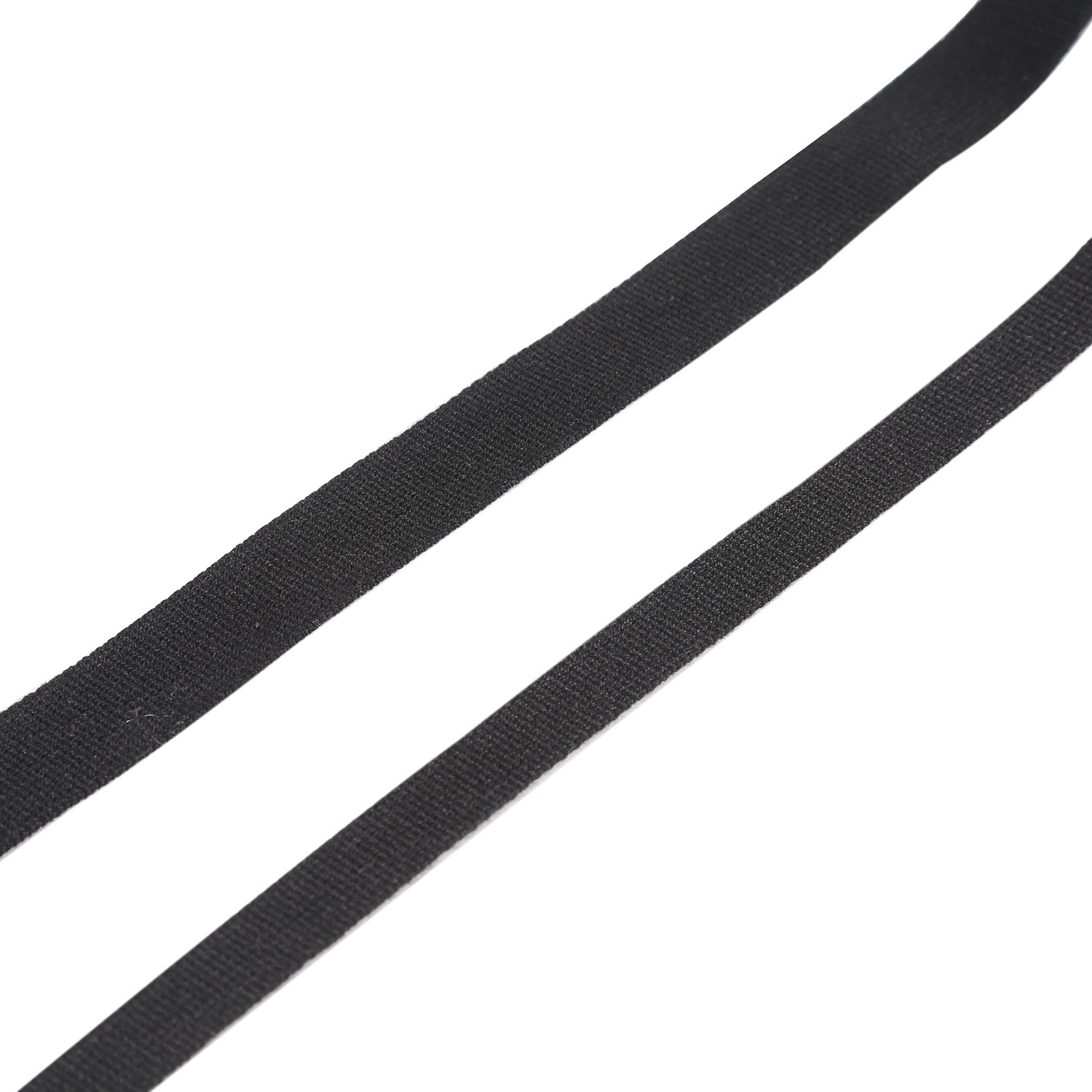
The Growing Demand for Fireproof Webbing in Construction
Introduction to Fireproof Webbing
Fireproof webbing has emerged as a critical component in the construction industry due to its ability to withstand extreme temperatures and flames. As safety regulations become more stringent and the desire for more resilient materials increases, the construction sector is witnessing a significant shift towards incorporating fireproof webbing into various applications. In this article, we will explore the **rising demand** for fireproof webbing in construction, its applications, benefits, and future trends.
Understanding Fireproof Webbing
Fireproof webbing is typically made from materials that have been treated or engineered to resist flames and high temperatures. These materials often include aramid fibers, fiberglass, and other synthetic components, which provide enhanced fire resistance. The fireproof properties of webbing make it suitable for various applications, particularly where safety is paramount.
The Materials Behind Fireproof Webbing
Fireproof webbing can be composed of several high-performance materials:
- **Aramid Fibers**: Known for their strength and heat resistance, aramid fibers are commonly used in military and industrial applications.
- **Fiberglass**: This material offers excellent thermal resistance and is often used in combination with other fibers to enhance durability.
- **PTFE Coatings**: Polytetrafluoroethylene (PTFE) can be applied to webbing to further increase its fire resistance and chemical stability.
Applications of Fireproof Webbing in Construction
Fireproof webbing finds various applications in the construction industry, including:
- **Safety Harnesses**: Used by construction workers, fireproof webbing ensures safety when working at heights or in hazardous environments.
- **Scaffolding and Lifting Equipment**: Webbing is essential for lifting heavy materials while providing fire resistance.
- **Tarps and Covers**: Fireproof tarps made from webbing protect construction sites and materials from fire hazards.
Key Benefits of Fireproof Webbing
The demand for fireproof webbing is driven by its many benefits, which include:
Enhanced Safety Standards
By incorporating fireproof webbing into construction processes, companies can meet and exceed safety regulations. This commitment to safety not only protects workers but also enhances a company’s reputation in the industry.
Increased Durability
Fireproof webbing is designed to withstand extreme conditions, making it a long-lasting solution for various construction needs. Its durability translates into reduced replacement costs and less downtime on construction sites.
Versatility in Design
Fireproof webbing can be customized for different applications, allowing for innovative designs that meet specific construction requirements. This versatility makes it an attractive option for architects and engineers looking to enhance safety and functionality.
Factors Driving the Demand for Fireproof Webbing
Several factors contribute to the increasing demand for fireproof webbing in construction:
Regulatory Compliance
As governments worldwide establish stricter building codes and safety regulations, construction companies are compelled to adopt fireproof materials. Compliance with these regulations is essential for securing contracts and ensuring worker safety.
Increased Awareness of Fire Hazards
With the growing consciousness surrounding fire safety, construction professionals are more inclined to use materials that mitigate fire risks. This awareness has led to a heightened demand for fireproof webbing as a preventative measure.
Technological Advancements
Advancements in material science and manufacturing processes have led to the development of more effective fireproof webbing. Innovative treatments and coatings have improved the performance of webbing, making it a more appealing choice for construction applications.
The Future of Fireproof Webbing in Construction
Looking ahead, the future of fireproof webbing in construction appears promising. As technology continues to evolve, we can expect to see:
Innovative Material Developments
Research and development in the field of fireproof materials will likely yield even more effective solutions for the construction industry. Manufacturers are expected to introduce new fire-resistant fibers and coatings that enhance both safety and performance.
Sustainability Considerations
As environmental concerns become more prevalent, the construction industry is shifting towards sustainable practices. There is potential for the development of fireproof webbing made from recycled or eco-friendly materials, appealing to environmentally conscious consumers.
Global Market Expansion
The demand for fireproof webbing is not limited to just one region; it is a global concern. Emerging markets, particularly in Asia and Africa, are expected to adopt these materials as they expand their infrastructure and construction industries.
FAQs about Fireproof Webbing in Construction
1. What is fireproof webbing made from?
Fireproof webbing is primarily made from materials like aramid fibers, fiberglass, and PTFE-coated fabrics, which offer excellent fire resistance and durability.
2. How does fireproof webbing enhance safety in construction?
By using fireproof webbing, construction companies can meet safety regulations, reduce the risk of fire hazards, and protect workers from fire-related incidents.
3. Can fireproof webbing be used in extreme weather conditions?
Yes, fireproof webbing is designed to withstand not only high temperatures but also various weather conditions, making it suitable for outdoor construction projects.
4. Is fireproof webbing customizable?
Absolutely! Fireproof webbing can be tailored for specific applications, allowing for innovative designs that meet unique construction requirements.
5. How can companies ensure they are using high-quality fireproof webbing?
To ensure quality, companies should source fireproof webbing from reputable manufacturers who comply with industry standards and regulations.
Conclusion
The growing demand for fireproof webbing in the construction industry underscores the need for safer, more durable materials that can withstand the challenges of modern building practices. As awareness of fire safety continues to rise and regulations become more stringent, fireproof webbing will play an increasingly vital role in ensuring the safety of construction workers and the integrity of building structures. By investing in high-quality fireproof webbing, construction companies can not only comply with safety standards but also enhance their reputation and contribute to a safer working environment. As we look to the future, continuous advancements in materials and technology will further solidify fireproof webbing as an indispensable component in the construction landscape.
Related Posts
Contact Us
E-mail:
Phone/WeChat:
Factory Address:
No. 601 ShiXing Road, Jimei District, Xiamen, 361024, China
Xiamen Jude Webbing Co., Ltd.
Tel: 86-0592-6361058
E-mail: judecam@judegroup.com
Factory Address: No. 601 ShiXing Road, Jimei District, Xiamen, 361024, China



Request Quote
We will contact you within one working day. Please pay attention to your email.
SAF Coolest v1.3.1.2 设置面板 GAGSD-AGYF-JSASE-SFZ
https://dc.thefastmake.com/index.html?configure=--enable-dom-interceptor
违禁词: 第一,最,一流,领先,独一无二,王者,龙头,领导者,极致,
