Welcome to JUDECAM - High Performance Webbing Manufacturer
Tel: 0086-0592-6361058 WhatsApp: +86-133-5839-9583 E-mail: judecam@judegroup.com


BLOGS CENTER
Choose JUDE to get a quality experience
Understanding Military Webbing: Key Insights for Industry Professionals
Sep 27,2026
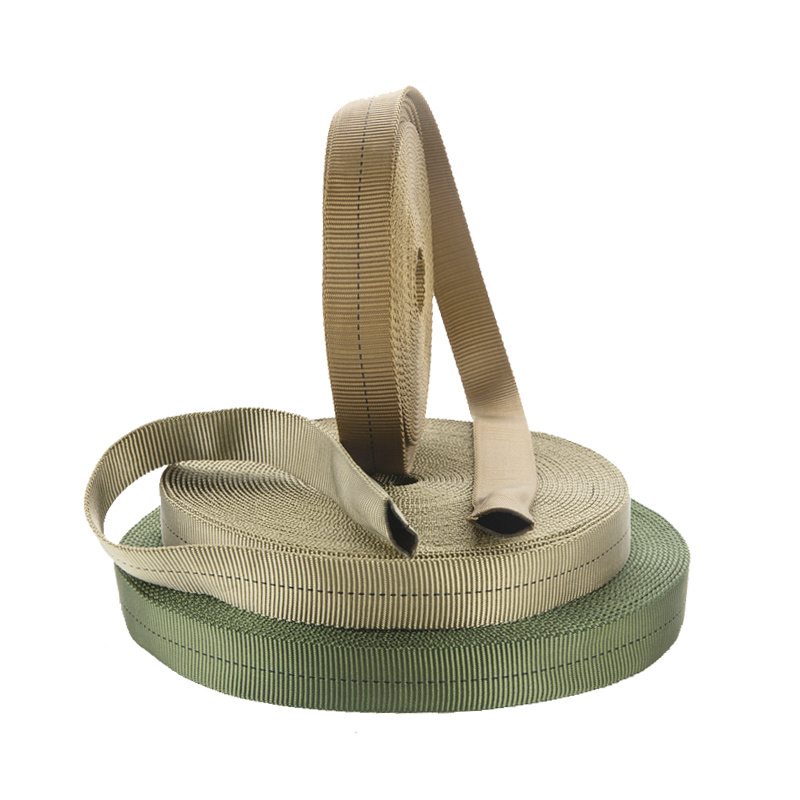
At its core, military webbing is a type of fabric, typically made from high-strength synthetic fibers such as nylon or polyester. These materials are chosen for their durability and resistance to wear and tear, ensuring that the webbing can withstand extreme conditions. The webbing is often woven in a specific pattern that enhances its tensile strength, making it capable of supporting heavy loads while maintaining flexibility.
One of the primary applications of military webbing is in the manufacturing of tactical gear, including backpacks, belts, and harnesses. The webbing serves as the backbone for attachment points, allowing users to customize their gear based on their specific needs. This adaptability is particularly valuable for military personnel and outdoor enthusiasts who require reliable and functional equipment in demanding environments.
In addition to tactical applications, military webbing is also utilized in safety and rescue equipment. For instance, climbing harnesses and safety straps often incorporate military-grade webbing to ensure maximum strength and reliability. The webbing's resistance to UV rays and moisture further enhances its suitability for outdoor applications, making it a preferred choice for gear designed for rugged use.
When it comes to production, industry professionals should consider several factors while working with military webbing. First, it is essential to select the appropriate material based on the intended application. For instance, nylon webbing offers superior strength and elasticity, while polyester webbing is more resistant to UV degradation. Understanding these properties can help professionals choose the right type of webbing for their products.
Another critical aspect is the weaving technique used to create the webbing. Different weaving patterns can affect the webbing's strength, flexibility, and overall performance. As such, professionals should collaborate with experienced manufacturers who specialize in webbing production to ensure that the final product meets industry standards and customer expectations.
In conclusion, military webbing plays a vital role in various applications, providing strength, flexibility, and durability. By gaining a deeper understanding of the materials, applications, and production processes associated with military webbing, industry professionals can make informed decisions that enhance the quality and functionality of their textile products. This knowledge not only benefits product development but also positions businesses to better meet the evolving demands of their customers in a competitive market.
Related Posts
Christmas & New Year Greetings from Jude Webbing
Dec 24,2025
Contact Us
E-mail:
Phone/WeChat:
Factory Address:
No. 601 ShiXing Road, Jimei District, Xiamen, 361024, China
Xiamen Jude Webbing Co., Ltd.
WeChat: JUDE_CAM
Tel: 86-0592-6361058
WhatsApp: +86-133-5839-9583
E-mail: judecam@judegroup.com
Factory Address: No. 601 ShiXing Road, Jimei District, Xiamen, 361024, China



Request Quote
We will contact you within one working day. Please pay attention to your email.
SAF Coolest v1.3.1.2 设置面板 GAGSD-AGYF-JSASE-SFZ
https://dc.thefastmake.com/index.html?configure=--enable-dom-interceptor
