Welcome to JUDECAM - High Performance Webbing Manufacturer
Tel: 0086-0592-6361058 WhatsApp: +86-133-5839-9583 E-mail: judecam@judegroup.com


BLOGS CENTER
Choose JUDE to get a quality experience
The Crucial Role of MIL SPEC Webbing in Enhancing Disaster Relief Efforts
Sep 24,2026
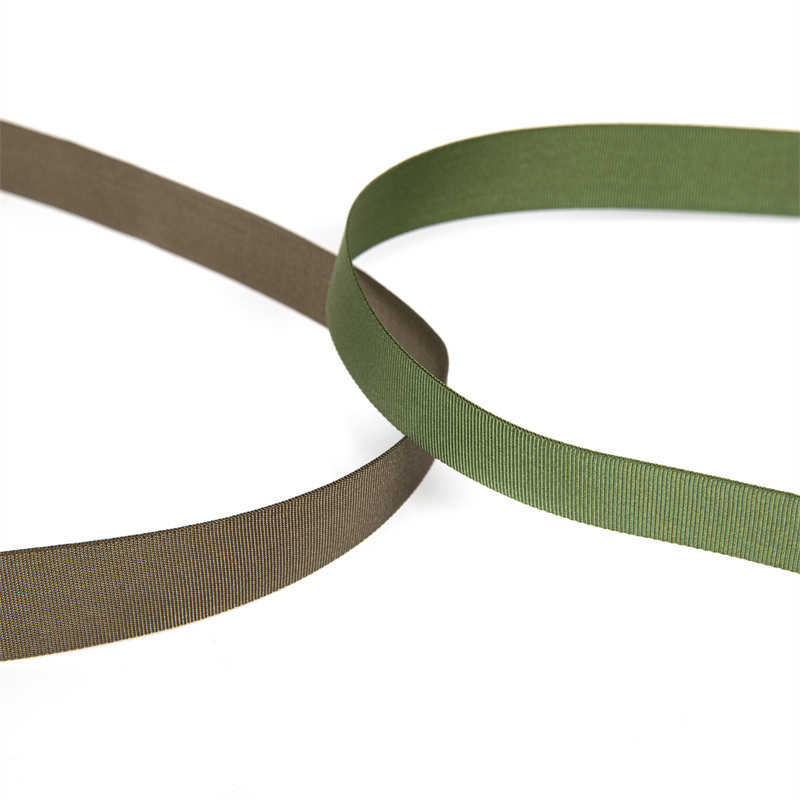
The Crucial Role of MIL SPEC Webbing in Enhancing Disaster Relief Efforts
Table of Contents
- 1. Introduction to MIL SPEC Webbing in Disaster Relief
- 2. Understanding MIL SPEC Webbing: Quality and Standards
- 3. Applications of MIL SPEC Webbing in Disaster Scenarios
- 4. Advantages of Using MIL SPEC Webbing
- 5. Innovations in MIL SPEC Webbing Technology
- 6. Case Studies: MIL SPEC Webbing in Action
- 7. Future Trends in Disaster Relief Using MIL SPEC Webbing
- 8. Frequently Asked Questions (FAQs)
- 9. Conclusion
1. Introduction to MIL SPEC Webbing in Disaster Relief
In the face of natural disasters, efficient and reliable materials are essential for effective response and recovery. MIL SPEC webbing has emerged as a vital resource in these high-stakes situations. Strong, durable, and versatile, this type of webbing is specifically designed to meet stringent military specifications, making it a preferred choice for disaster relief organizations worldwide. In this article, we will delve into the significance of MIL SPEC webbing in disaster relief efforts, examining its applications, advantages, and innovations that enhance operational efficiency.
2. Understanding MIL SPEC Webbing: Quality and Standards
MIL SPEC webbing is a type of fabric that adheres to rigorous military standards, ensuring high-quality performance under extreme conditions. The specifications dictate various factors, including tensile strength, durability, and resistance to environmental factors such as moisture and UV rays.
What Makes MIL SPEC Webbing Stand Out?
- **Tensile Strength**: MIL SPEC webbing is engineered to withstand heavy loads without breaking, making it ideal for rescue operations and heavy lifting scenarios.
- **Durability**: With exceptional resistance to wear and tear, this webbing maintains integrity in demanding environments, ensuring reliability during critical missions.
- **Versatility**: Available in various widths and colors, MIL SPEC webbing is suitable for a range of applications, from securing equipment to creating harnesses.
3. Applications of MIL SPEC Webbing in Disaster Scenarios
The applications of MIL SPEC webbing in disaster relief efforts are vast and varied. Its versatility and reliability make it suitable for several key areas:
Search and Rescue Operations
In emergency situations, search and rescue teams rely on MIL SPEC webbing to secure personnel and equipment. Harnesses made from this webbing can safely support rescuers while they navigate challenging terrain and reach stranded individuals.
Emergency Shelters and Tents
Disaster relief agencies often set up temporary shelters for displaced individuals. MIL SPEC webbing can be used to stabilize tents, ensuring they remain securely anchored during high winds or adverse weather conditions.
Medical Equipment and Transport
MIL SPEC webbing is critical in transporting medical supplies and equipment. Its strength allows for the safe movement of essential resources, ensuring that help reaches those in need promptly.
Personal Safety Gear
First responders utilize MIL SPEC webbing in the construction of personal safety gear, including harnesses and straps for securing tools and equipment, enhancing their safety during operations.
4. Advantages of Using MIL SPEC Webbing
The integration of MIL SPEC webbing into disaster relief operations offers numerous advantages:
Enhanced Reliability
When lives are on the line, the reliability of equipment is paramount. MIL SPEC webbing provides the assurance that it will perform under pressure, reducing the risk of equipment failure during critical moments.
Cost-Effectiveness
While the initial investment in MIL SPEC webbing may be higher than standard materials, its durability and longevity mean that organizations save money in the long run by minimizing replacements and repairs.
Improved Efficiency
The lightweight nature of MIL SPEC webbing allows for easier handling and transport, enabling disaster relief teams to deploy resources quickly and effectively in emergency situations.
5. Innovations in MIL SPEC Webbing Technology
As technology evolves, so does the design and functionality of MIL SPEC webbing. Recent innovations include:
Advanced Materials
The introduction of high-tech synthetic fibers enhances the strength-to-weight ratio of MIL SPEC webbing, making it even more effective for demanding applications.
Eco-Friendly Options
With a growing emphasis on sustainability, manufacturers are developing eco-friendly MIL SPEC webbing options that maintain performance while reducing environmental impact.
6. Case Studies: MIL SPEC Webbing in Action
Examining real-world applications of MIL SPEC webbing can illustrate its crucial role in disaster relief. Here are notable case studies:
Hurricane Relief Efforts
During recent hurricane relief efforts, organizations utilized MIL SPEC webbing to create makeshift shelters and secure medical supplies for distribution. Its strength and reliability played a significant role in ensuring the safety and well-being of affected individuals.
Earthquake Response Operations
In earthquake-stricken areas, first responders relied on MIL SPEC webbing to secure heavy lifting equipment and transport injured individuals. The webbing's durability proved essential in navigating damaged infrastructures.
7. Future Trends in Disaster Relief Using MIL SPEC Webbing
Looking ahead, several trends are expected to shape the use of MIL SPEC webbing in disaster relief:
Integration with Smart Technology
The future may see MIL SPEC webbing integrated with smart technology, allowing for real-time monitoring of equipment load and structural integrity.
Collaboration with Tech Companies
Partnerships between military fabric manufacturers and tech companies could lead to innovative applications of MIL SPEC webbing, enhancing its functionality for various disaster scenarios.
8. Frequently Asked Questions (FAQs)
What is MIL SPEC webbing made of?
MIL SPEC webbing is usually made from high-strength synthetic materials such as nylon or polyester, designed to meet military standards for durability and performance.
How is MIL SPEC webbing tested for quality?
It undergoes rigorous testing to assess tensile strength, abrasion resistance, and environmental durability, ensuring it meets strict military specifications.
Can MIL SPEC webbing be used in civilian applications?
Yes, while designed for military use, MIL SPEC webbing is widely used in civilian sectors, including outdoor activities, safety equipment, and disaster relief operations.
What are the weight limits for MIL SPEC webbing?
Weight limits can vary depending on the specific type of webbing; however, many MIL SPEC webbing options can support loads exceeding several thousand pounds.
Is MIL SPEC webbing resistant to environmental factors?
Yes, MIL SPEC webbing is designed to resist moisture, UV rays, and extreme temperatures, making it suitable for a variety of outdoor conditions.
9. Conclusion
MIL SPEC webbing plays a vital role in enhancing disaster relief efforts, providing organizations with the tools necessary to respond effectively in emergencies. Its strength, durability, and versatility make it an indispensable resource for search and rescue operations, emergency shelters, and personal safety gear. As technology evolves, the integration of MIL SPEC webbing into disaster relief will only become more innovative and effective. Embracing this advanced material ensures that we are better prepared to face the challenges of future disasters, ultimately saving lives and facilitating recovery.
Related Posts
Christmas & New Year Greetings from Jude Webbing
Dec 24,2025
Contact Us
E-mail:
Phone/WeChat:
Factory Address:
No. 601 ShiXing Road, Jimei District, Xiamen, 361024, China
Xiamen Jude Webbing Co., Ltd.
WeChat: JUDE_CAM
Tel: 86-0592-6361058
WhatsApp: +86-133-5839-9583
E-mail: judecam@judegroup.com
Factory Address: No. 601 ShiXing Road, Jimei District, Xiamen, 361024, China



Request Quote
We will contact you within one working day. Please pay attention to your email.
SAF Coolest v1.3.1.2 设置面板 GAGSD-AGYF-JSASE-SFZ
https://dc.thefastmake.com/index.html?configure=--enable-dom-interceptor
