Welcome to JUDECAM - High Performance Webbing Manufacturer
Tel: 0086-0592-6361058 WhatsApp: +86-133-5839-9583 E-mail: judecam@judegroup.com


BLOGS CENTER
Choose JUDE to get a quality experience
Exploring the Colorful World of Outdoor Webbing Options: A Comprehensive Guide
Jul 20,2026
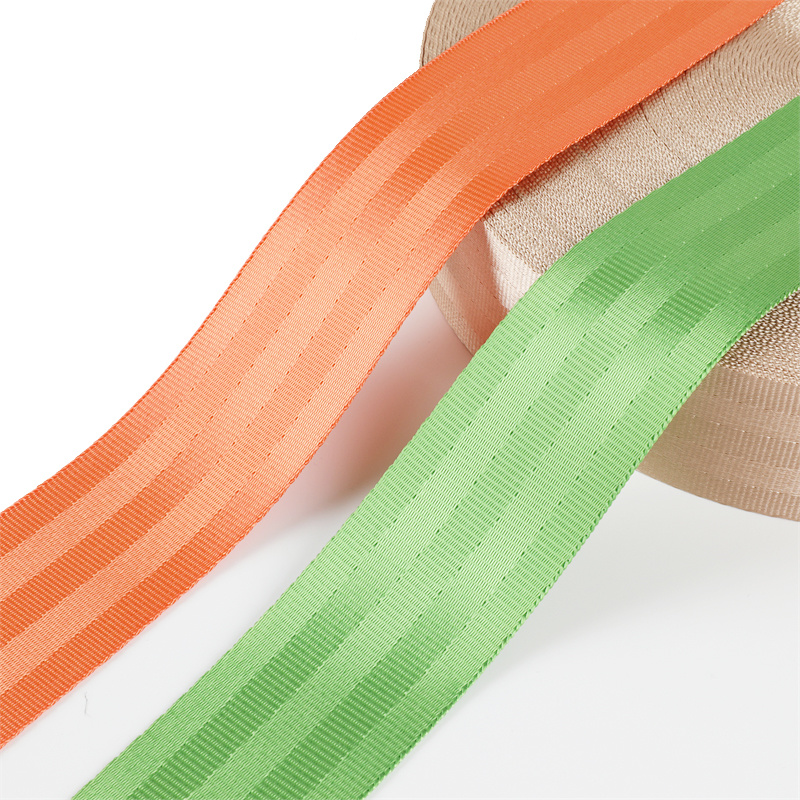
Exploring the Colorful World of Outdoor Webbing Options
Table of Contents
- Introduction to Outdoor Webbing
- Different Types of Outdoor Webbing
- Materials Used in Outdoor Webbing
- Applications of Outdoor Webbing
- How to Choose the Right Outdoor Webbing
- Caring for Your Outdoor Webbing
- Exploring Color Options for Webbing
- Safety Considerations When Using Webbing
- Frequently Asked Questions
- Conclusion
Introduction to Outdoor Webbing
Outdoor webbing is an essential tool that has gained immense popularity among outdoor enthusiasts and craftsmen. This versatile material comes in an array of colors, sizes, and strengths, making it suitable for numerous applications, from camping to crafting and beyond. Understanding the different options available allows you to make informed decisions, enhancing your outdoor experiences or crafting projects.
In this article, we will delve into the myriad of outdoor webbing options, exploring their unique characteristics, applications, and maintenance tips. Whether you are an avid hiker, a weekend camper, or a DIY enthusiast, this guide will equip you with the knowledge to choose the right webbing for your needs.
Different Types of Outdoor Webbing
When it comes to outdoor webbing, several types cater to various needs and activities. Here, we outline some of the most common types of webbing available on the market:
1. Nylon Webbing
Nylon webbing is one of the most widely used materials due to its strength, durability, and resistance to abrasion. It is often used in applications like climbing harnesses, backpacks, and outdoor gear. The flexibility and stretch of nylon make it a popular choice for many outdoor activities.
2. Polyester Webbing
Polyester webbing is known for its UV resistance and low stretch, making it an excellent option for outdoor applications exposed to sunlight. This type of webbing is commonly used in straps, slings, and tie-downs. Its durability against the elements makes it ideal for long-term outdoor use.
3. Polypropylene Webbing
Polypropylene webbing is lightweight, resistant to moisture, and often used in applications like boating and water sports. It is a cost-effective option that provides good strength while being resistant to mildew and rot, making it suitable for wet environments.
4. Cotton Webbing
Cotton webbing offers a natural feel and is often used in fashion accessories, bags, and other light-duty applications. While not as strong as synthetic options, cotton is biodegradable and appeals to environmentally conscious consumers.
Materials Used in Outdoor Webbing
Understanding the materials used in outdoor webbing is crucial for selecting the right type for your intended use. Here are some key materials and their characteristics:
Nylon
- **Strength**: High tensile strength, ideal for heavy loads.
- **Durability**: Resistant to wear and tear.
- **Flexibility**: Offers some stretch, enhancing comfort.
Polyester
- **UV Resistance**: Retains strength and color even under sunlight exposure.
- **Low Stretch**: Provides stability, which is beneficial for applications requiring secure loads.
- **Water Resistance**: Quick-drying material suitable for outdoor use.
Polypropylene
- **Lightweight**: Easy to handle and transport.
- **Moisture Resistant**: Does not absorb water, preventing issues like mildew.
- **Cost-Effective**: Affordable option for budget-conscious buyers.
Cotton
- **Natural Fiber**: Biodegradable and environmentally friendly.
- **Softness**: Gentle on the skin, ideal for clothing and accessories.
- **Limited Strength**: Best for light-duty applications.
Applications of Outdoor Webbing
Outdoor webbing serves a variety of applications across different activities. Here are some common uses:
1. Camping Gear
Webbing is often used in camping gear, including tent straps, backpacks, and hammock suspension systems. Its strength ensures that your gear remains secure during use.
2. Climbing and Mountaineering
In the climbing community, webbing is essential for creating slings, anchors, and harnesses. The strength and reliability of nylon webbing are critical for safety in high-altitude environments.
3. Outdoor Sports
Many outdoor sports, such as kayaking, hiking, and sailing, utilize webbing for straps, tie-downs, and safety equipment. The choice of material will depend on the specific needs of the sport.
4. Crafts and DIY Projects
Crafters and DIY enthusiasts use webbing in various projects, from creating bags to designing decorative items. The color options available allow for creative expression in crafting.
How to Choose the Right Outdoor Webbing
Selecting the appropriate webbing for your needs requires consideration of several factors:
1. Identify Your Purpose
Determine the primary use of the webbing. Is it for climbing, camping, or crafting? Each application may require different materials and strengths.
2. Consider Strength Requirements
Evaluate the weight capacity needed for your project. Be sure to choose webbing that can handle the intended load safely.
3. Assess Environmental Factors
Consider the elements your webbing will be exposed to. For instance, if it will see prolonged sun exposure, polyester may be a better choice due to its UV resistance.
4. Evaluate Cost and Budget
Determine your budget and compare different webbing options. While it may be tempting to choose the cheapest option, remember that quality can impact safety and usability.
5. Look for Color and Style
Choose a color or pattern that suits your aesthetic or functional needs. Many webbing options come in vibrant colors, allowing for personal expression.
Caring for Your Outdoor Webbing
Proper care can extend the life of your outdoor webbing. Here are some tips for maintenance:
1. Regular Cleaning
Clean your webbing regularly to remove dirt and debris. Hand washing with mild soap and water is often sufficient. Avoid harsh chemicals that could damage the fibers.
2. Drying
Always allow your webbing to dry completely before storing it. This helps prevent mildew and prolongs the material's lifespan.
3. Inspect for Damage
Regularly check your webbing for signs of wear and tear. Replace any frayed or damaged sections to ensure safety during use.
Exploring Color Options for Webbing
One of the most appealing aspects of outdoor webbing is the variety of color options available.
1. Bright Colors
Brightly colored webbing is popular for its visibility, making it easier to spot in outdoor environments. Colors like neon green, yellow, and orange are excellent for safety.
2. Earth Tones
For a more subdued look, earth tones like browns, greens, and grays blend well with natural surroundings, appealing to those who prefer a more understated style.
3. Patterns
Some webbing comes in patterns or designs, allowing for personalization in outdoor gear and accessories. These options can be particularly attractive in crafting projects.
Safety Considerations When Using Webbing
Safety should always be a priority when using outdoor webbing, especially in applications like climbing or heavy lifting.
1. Weight Limits
Always adhere to the weight limits specified by the manufacturer. Exceeding these limits can result in failure and pose serious safety risks.
2. Proper Knots
Learn how to tie secure knots to prevent slippage. Understanding how to tie various knots can enhance your safety and functionality when using webbing.
3. Regular Inspections
Before each use, inspect your webbing for any signs of wear or damage. If you notice fraying or weakness, replace the webbing immediately.
Frequently Asked Questions
1. What is the best type of webbing for outdoor use?
The best type of webbing depends on your specific needs. For general outdoor use, nylon or polyester webbing is highly recommended due to their strength and durability.
2. Can I use cotton webbing outdoors?
While cotton webbing can be used outdoors, it is not as durable as synthetic options and is not recommended for high-stress applications.
3. How do I clean outdoor webbing?
Outdoor webbing can usually be cleaned with mild soap and water. Avoid bleach or harsh chemicals that may damage the fibers.
4. Is colorful webbing less durable?
The durability of webbing is generally determined by the material rather than the color. Ensure to choose high-quality material regardless of the color.
5. How often should I replace my webbing?
Replace webbing as soon as you notice any signs of wear or damage. Regular inspections will help you determine when it's time for a replacement.
Conclusion
Outdoor webbing is a versatile and essential tool for both outdoor enthusiasts and crafters. Understanding the different types, materials, applications, and maintenance of webbing can significantly enhance your experiences and projects. Whether you're looking for strength, durability, or aesthetic appeal, there's a colorful world of webbing options available to meet your needs. By following the tips outlined in this guide, you can make informed decisions that will serve you well in your outdoor adventures and crafting endeavors. Explore the vibrant possibilities that outdoor webbing has to offer and let it enrich your outdoor experiences today!
PREVIOUS:
Related Posts
Contact Us
E-mail:
Phone/WeChat:
Factory Address:
No. 601 ShiXing Road, Jimei District, Xiamen, 361024, China
Xiamen Jude Webbing Co., Ltd.
WeChat: JUDE_CAM
Tel: 86-0592-6361058
WhatsApp: +86-133-5839-9583
E-mail: judecam@judegroup.com
Factory Address: No. 601 ShiXing Road, Jimei District, Xiamen, 361024, China



Request Quote
We will contact you within one working day. Please pay attention to your email.
SAF Coolest v1.3.1.2 设置面板 GAGSD-AGYF-JSASE-SFZ
https://dc.thefastmake.com/index.html?configure=--enable-dom-interceptor
