Welcome to JUDECAM - High Performance Webbing Manufacturer
Tel: 0086-0592-6361058 WhatsApp: +86-133-5839-9583 E-mail: judecam@judegroup.com


BLOGS CENTER
Choose JUDE to get a quality experience
Understanding Military Webbing: Essential Insights for the Textile Industry
Jul 17,2026
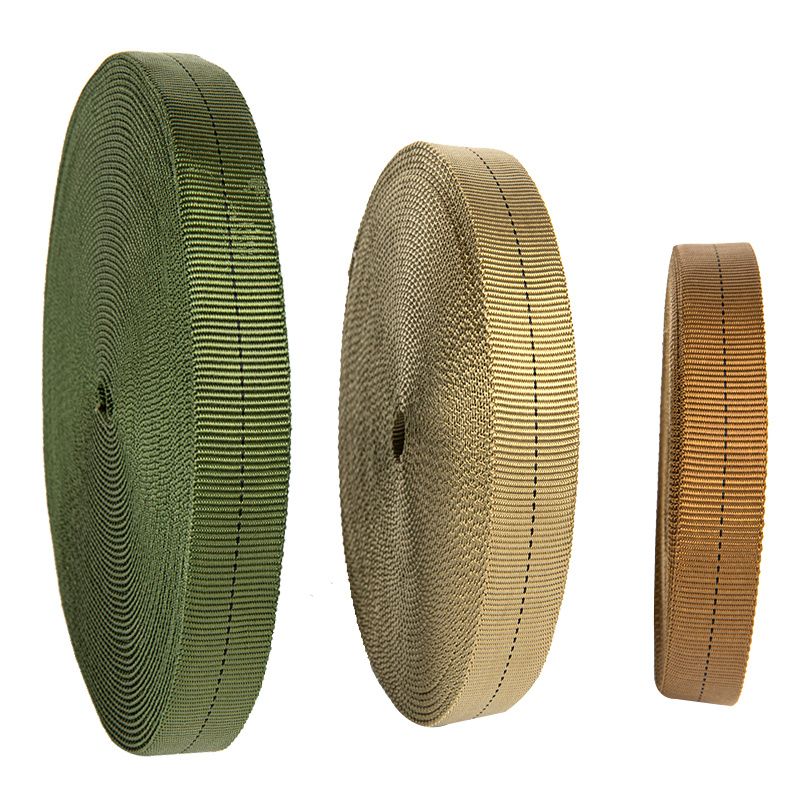
The primary materials used in military webbing include nylon and polypropylene, both known for their high tensile strength and lightweight characteristics. Nylon webbing, for example, offers excellent abrasion resistance and is non-stretchable, making it ideal for high-performance applications. Conversely, polypropylene webbing is often lighter and more water-resistant, making it suitable for various outdoor activities. Depending on the intended application, textile manufacturers need to choose the appropriate material that balances weight, durability, and flexibility.
Moreover, military webbing is often subjected to rigorous testing to meet specific military standards. These standards ensure that the webbing can withstand extreme conditions, including exposure to UV light, chemical substances, and extreme temperatures. Professionals in the textile industry should be familiar with these testing protocols, as adherence to these standards not only ensures product quality but also significantly influences customer satisfaction and compliance in military contracts.
In terms of manufacturing processes, military webbing is typically produced through weaving techniques that create a dense, strong fabric. Textiles professionals should be aware of various weaving methods, such as flat weaving and tubular weaving, as they can affect the final product's strength and flexibility. Additionally, advancements in weaving technology, such as the use of automated looms, have improved efficiency and consistency in production, offering opportunities for innovation in the sector.
Furthermore, the market for military webbing is expansive and continues to evolve. The growing demand for tactical gear and outdoor recreational equipment has driven innovation and variety in webbing products. Professionals in the textile industry should continuously monitor market trends and consumer preferences, adapting their product offerings to meet changing demands.
Ultimately, military webbing represents a vital segment of the textile industry, combining functionality with technical expertise. By understanding its unique properties, manufacturing processes, and market dynamics, professionals can better position themselves to meet the needs of clients and consumers within this specialized sector. Embracing these insights will not only enhance product development but also foster a deeper appreciation for the underlying craftsmanship that defines military webbing.
PREVIOUS:
Related Posts
Contact Us
E-mail:
Phone/WeChat:
Factory Address:
No. 601 ShiXing Road, Jimei District, Xiamen, 361024, China
Xiamen Jude Webbing Co., Ltd.
WeChat: JUDE_CAM
Tel: 86-0592-6361058
WhatsApp: +86-133-5839-9583
E-mail: judecam@judegroup.com
Factory Address: No. 601 ShiXing Road, Jimei District, Xiamen, 361024, China



Request Quote
We will contact you within one working day. Please pay attention to your email.
SAF Coolest v1.3.1.2 设置面板 GAGSD-AGYF-JSASE-SFZ
https://dc.thefastmake.com/index.html?configure=--enable-dom-interceptor
