Welcome to JUDECAM - High Performance Webbing Manufacturer
Tel: 0086-0592-6361058 E-mail: judecam@judegroup.com

language

BLOGS CENTER
Choose JUDE to get a quality experience
Understanding the Load-Bearing Capacity of Nylon Webbing: A Comprehensive Guide
Understanding the Load-Bearing Capacity of Nylon Webbing: A Comprehensive Guide
Nylon webbing has become an essential material across various industries due to its strength, durability, and versatility. As consumers and manufacturers alike increasingly seek reliable and robust solutions, understanding the load-bearing capacity of nylon webbing is vital. This guide aims to provide a deep dive into
Jan 11,2026
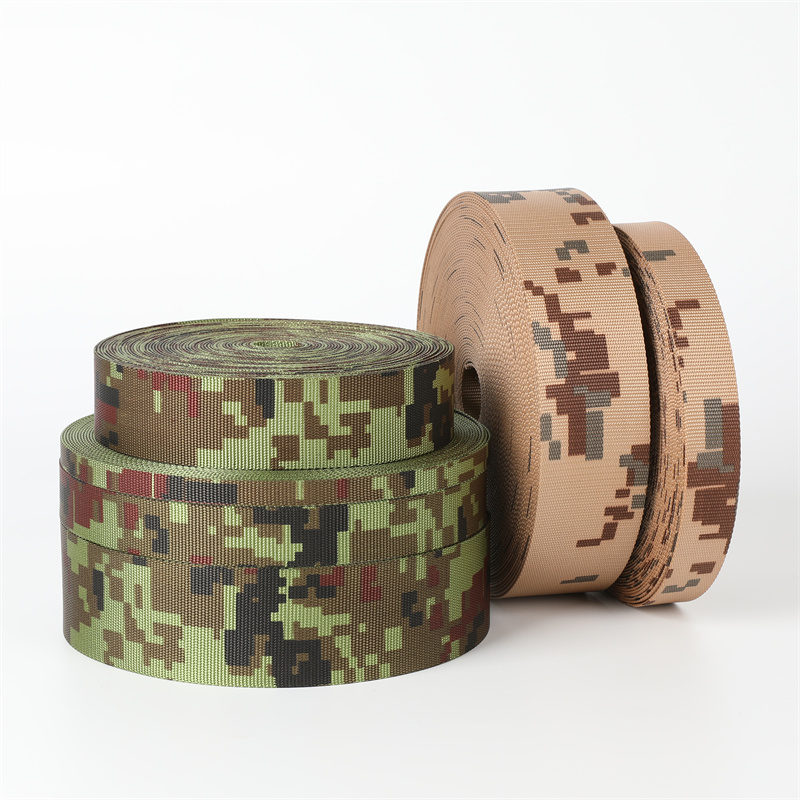
Understanding the Load-Bearing Capacity of Nylon Webbing: A Comprehensive Guide
Nylon webbing has become an essential material across various industries due to its strength, durability, and versatility. As consumers and manufacturers alike increasingly seek reliable and robust solutions, understanding the load-bearing capacity of nylon webbing is vital. This guide aims to provide a deep dive into the factors that influence load-bearing capacity, applications, safety considerations, and maintenance practices.
Table of Contents
1. What is Nylon Webbing?
2. Key Properties of Nylon Webbing
3. Understanding Load-Bearing Capacity
4. Factors Affecting Load-Bearing Capacity
5. Applications of Nylon Webbing
6. Safety Standards and Regulations
7. Maintenance and Care for Nylon Webbing
8. Conclusion
9. Frequently Asked Questions
What is Nylon Webbing?
Nylon webbing is a type of woven fabric made from nylon fibers. It is renowned for its strength, elasticity, and resistance to wear and tear, making it an ideal choice for many applications. Commonly found in outdoor gear, safety harnesses, and various industrial applications, nylon webbing is highly versatile.
The material is typically produced in various widths and thicknesses, tailored for specific uses, from lightweight webbing suitable for backpacks to heavy-duty variants used in climbing gear. The versatility of nylon webbing stems from its ability to be dyed in various colors, enhancing its aesthetic appeal while maintaining its functional integrity.
Key Properties of Nylon Webbing
Understanding the properties of nylon webbing is crucial for evaluating its load-bearing capacity. Key features include:
1. Strength
Nylon boasts high tensile strength, often exceeding that of other materials such as polyester or polypropylene. This strength allows nylon webbing to withstand significant loads without breaking.
2. Durability
Nylon is resistant to abrasion, UV light, and mildew, ensuring longevity in outdoor applications. This durability contributes to the webbing's ability to maintain its load-bearing capacity over time.
3. Elasticity
Nylon has inherent elasticity, allowing it to stretch under tension. This property can be beneficial in applications requiring shock absorption, such as in climbing or safety harnesses.
4. Resistance to Chemicals
While nylon is generally resistant to many chemicals, it is essential to note that certain harsh substances can degrade its integrity. Understanding this resistance is vital when choosing nylon webbing for specific environments.
Understanding Load-Bearing Capacity
The load-bearing capacity of nylon webbing refers to the maximum weight the webbing can safely support without failure. This capacity is critical for applications where safety is paramount, such as in climbing gear or safety harnesses.
Load-bearing capacity is typically measured in pounds or kilograms and depends on several factors, including the width and thickness of the webbing, the weave pattern, and the specific type of nylon used.
Factors Affecting Load-Bearing Capacity
Several factors influence the load-bearing capacity of nylon webbing:
1. Width and Thickness
Generally, wider and thicker webbing can support more weight. For instance, a 2-inch wide nylon webbing will typically have a higher load rating than a 1-inch variant.
2. Weave Pattern
The type of weave used in manufacturing nylon webbing plays a crucial role in determining its strength. Common weave patterns include plain, twill, and ballistic weaves, each offering varying levels of load support.
3. Type of Nylon
Different grades of nylon provide varying levels of load-bearing capacity. For instance, Nylon 6 and Nylon 66 have different mechanical properties, with Nylon 66 often exhibiting better strength and heat resistance.
4. Age and Condition
Over time, nylon webbing can experience wear and degradation due to exposure to UV light, chemicals, and physical stress. Regular inspection is crucial to ensure that the webbing remains safe for use.
5. Environmental Factors
Temperature and humidity play a role in the performance of nylon webbing. Excessive heat can weaken the fibers, while extreme cold can make the webbing more brittle.
Applications of Nylon Webbing
Nylon webbing has a wide array of applications across different industries:
1. Outdoor Gear
Backpacks, tents, and outdoor equipment often utilize nylon webbing for straps and supports due to its strength and resistance to environmental factors.
2. Safety Equipment
Harnesses for climbing, hiking, and rescue operations rely on nylon webbing for its load-bearing capacity and durability, ensuring the safety of users.
3. Automotive Industry
Nylon webbing is used in seatbelts and cargo straps, providing strength and reliability in securing passengers and goods.
4. Military and Tactical Gear
In the military sector, nylon webbing is employed for equipment carriers, tactical vests, and other gear, where high strength and durability are essential.
Safety Standards and Regulations
When selecting nylon webbing for safety-critical applications, adherence to safety standards is paramount. Various organizations provide guidelines and ratings for load-bearing capacity.
1. ANSI Standards
The American National Standards Institute (ANSI) sets guidelines for safety equipment, including load ratings for nylon webbing used in harnesses and other safety equipment.
2. ISO Standards
International Organization for Standardization (ISO) standards offer additional guidelines for the manufacturing and testing of nylon webbing, ensuring that products meet safety requirements.
Maintenance and Care for Nylon Webbing
To ensure the longevity and reliability of nylon webbing, proper maintenance is essential:
1. Regular Inspections
Conduct routine inspections for signs of wear, fraying, or discoloration. Any damaged webbing should be replaced immediately to maintain safety standards.
2. Cleaning
Nylon webbing can be cleaned with mild soap and water. Avoid harsh chemicals that can degrade the fibers. Ensure that the webbing is thoroughly dried before storage to prevent mildew growth.
3. Proper Storage
Store nylon webbing in a cool, dry place away from direct sunlight. This practice prevents UV damage and prolongs the life of the webbing.
Conclusion
Understanding the load-bearing capacity of nylon webbing is essential for anyone involved in industries utilizing this versatile material. By recognizing the key properties, factors influencing load capacity, and best practices for maintenance, users can ensure the safety and effectiveness of their applications. Whether for outdoor gear, safety harnesses, or automotive use, nylon webbing remains a reliable choice, provided it is chosen and maintained correctly.
Frequently Asked Questions
1. What is the typical load-bearing capacity of nylon webbing?
The load-bearing capacity of nylon webbing varies based on its width and thickness, typically ranging from 500 to over 6,000 pounds.
2. Can nylon webbing be used outdoors?
Yes, nylon webbing is highly suitable for outdoor applications due to its resistance to UV light and abrasion.
3. How often should I inspect nylon webbing?
Regular inspections should be conducted at least once a month for heavily used webbing and before each use for safety-critical applications.
4. Is nylon webbing waterproof?
Nylon webbing is water-resistant but not fully waterproof. It can absorb some moisture, so proper drying is essential after exposure.
5. Can nylon webbing be repaired?
While minor fraying can sometimes be managed, significant damage typically requires replacement to ensure safety. Always prioritize safety over repairs.
This comprehensive guide aims to equip you with the knowledge required to select, use, and maintain nylon webbing effectively, ensuring safety and reliability in your applications.
PREVIOUS:
Related Posts
Contact Us
E-mail:
Phone/WeChat:
Factory Address:
No. 601 ShiXing Road, Jimei District, Xiamen, 361024, China
Xiamen Jude Webbing Co., Ltd.
Tel: 86-0592-6361058
E-mail: judecam@judegroup.com
Factory Address: No. 601 ShiXing Road, Jimei District, Xiamen, 361024, China



Request Quote
We will contact you within one working day. Please pay attention to your email.
SAF Coolest v1.3.1.2 设置面板 GAGSD-AGYF-JSASE-SFZ
https://dc.thefastmake.com/index.html?configure=--enable-dom-interceptor
违禁词: 第一,最,一流,领先,独一无二,王者,龙头,领导者,极致,
