Welcome to JUDECAM - High Performance Webbing Manufacturer
Tel: 0086-0592-6361058 E-mail: judecam@judegroup.com

language

BLOGS CENTER
Choose JUDE to get a quality experience
Exploring the Benefits and Applications of Fireproof Webbing in Textile Products
Fireproof webbing is an essential material in various applications, particularly in industries where safety is paramount. This specialized webbing is engineered to resist flames and extreme heat, making it an ideal choice for products requiring enhanced fire safety features. It is commonly used in safety harnesses, firefighting gear, and other protective equipment, ensuring the well-being of users
Jan 10,2026
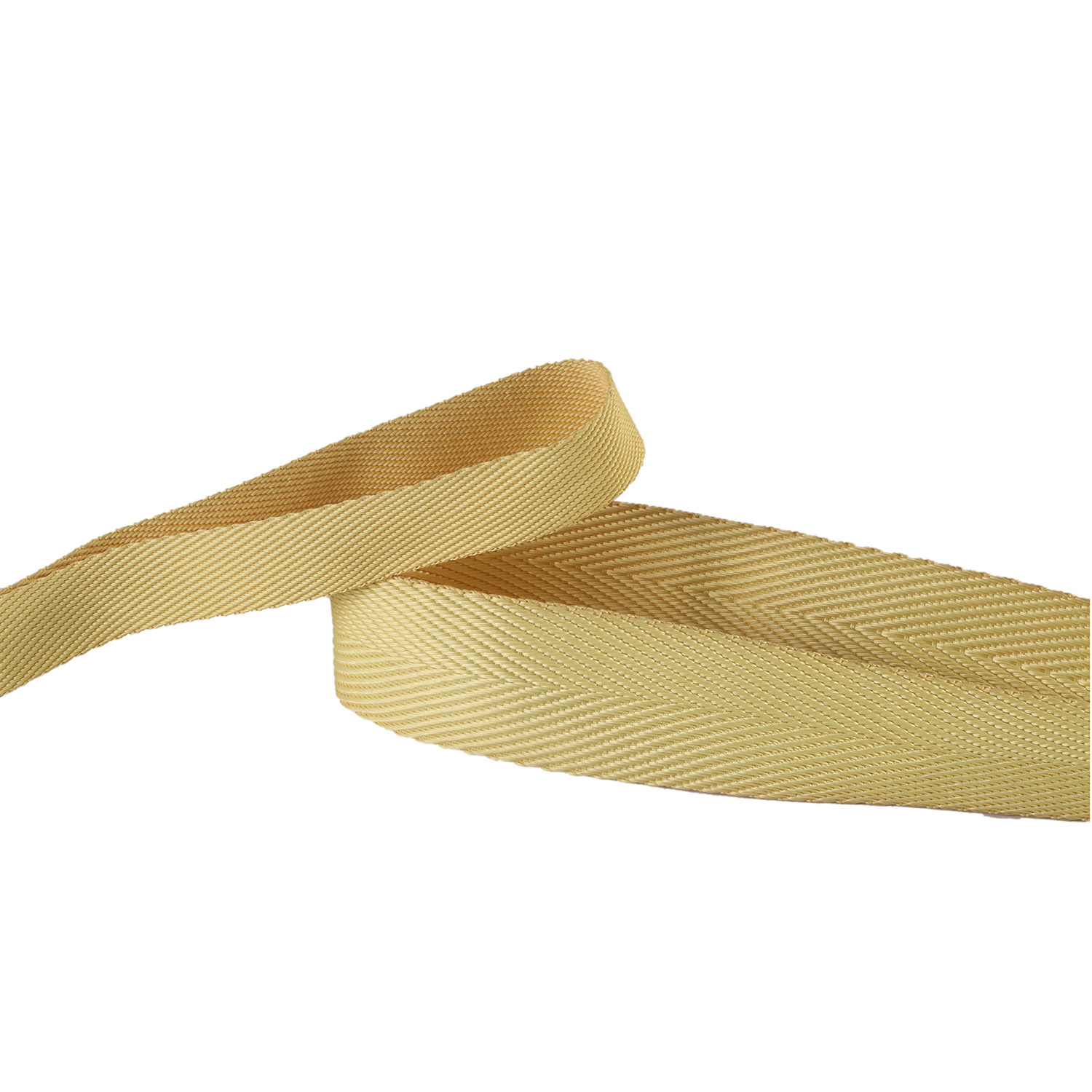
Fireproof webbing is an essential material in various applications, particularly in industries where safety is paramount. This specialized webbing is engineered to resist flames and extreme heat, making it an ideal choice for products requiring enhanced fire safety features. It is commonly used in safety harnesses, firefighting gear, and other protective equipment, ensuring the well-being of users in high-risk environments.
One of the primary advantages of fireproof webbing is its ability to provide a barrier against heat and flames. This material is typically made from synthetic fibers that are treated with flame-retardant chemicals, enabling it to withstand high temperatures without igniting. The manufacturing process often includes weaving techniques that enhance the strength and flexibility of the webbing, ensuring it can handle the demands of active use.
In addition to its fire-resistant properties, fireproof webbing is also valued for its durability. It is resistant to wear and tear, making it suitable for long-term use in extreme conditions. This durability is crucial in applications such as outdoor gear, where exposure to elements like sunlight and moisture can degrade standard materials. Fireproof webbing maintains its integrity and functionality, even when subjected to harsh environments.
Moreover, fireproof webbing is lightweight and easy to handle, which is an essential factor in design considerations for various products. Its lightweight nature does not compromise its strength, allowing manufacturers to create innovative designs that prioritize both safety and comfort. This is particularly important in applications such as climbing harnesses or safety straps, where ease of use and safety are crucial.
When selecting fireproof webbing, it is important to consider the specific requirements of the intended application. Factors such as width, thickness, and tensile strength can vary significantly among different types of webbing. Manufacturers typically provide detailed specifications that help designers and engineers choose the appropriate webbing for their projects, ensuring optimal performance and safety.
Fireproof webbing is also increasingly being used in niche markets. For example, its application in automotive and aerospace industries is growing, where fire safety is a top priority. In these industries, the ability to withstand high temperatures and prevent ignition can mean the difference between safety and disaster.
In conclusion, fireproof webbing stands out as a versatile and reliable material within the textile industry. Its unique properties, including fire resistance, durability, and lightweight design, make it a valuable asset for various applications. As demand for safer textile products continues to grow, understanding the benefits and characteristics of fireproof webbing will be essential for manufacturers and consumers alike.
One of the primary advantages of fireproof webbing is its ability to provide a barrier against heat and flames. This material is typically made from synthetic fibers that are treated with flame-retardant chemicals, enabling it to withstand high temperatures without igniting. The manufacturing process often includes weaving techniques that enhance the strength and flexibility of the webbing, ensuring it can handle the demands of active use.
In addition to its fire-resistant properties, fireproof webbing is also valued for its durability. It is resistant to wear and tear, making it suitable for long-term use in extreme conditions. This durability is crucial in applications such as outdoor gear, where exposure to elements like sunlight and moisture can degrade standard materials. Fireproof webbing maintains its integrity and functionality, even when subjected to harsh environments.
Moreover, fireproof webbing is lightweight and easy to handle, which is an essential factor in design considerations for various products. Its lightweight nature does not compromise its strength, allowing manufacturers to create innovative designs that prioritize both safety and comfort. This is particularly important in applications such as climbing harnesses or safety straps, where ease of use and safety are crucial.
When selecting fireproof webbing, it is important to consider the specific requirements of the intended application. Factors such as width, thickness, and tensile strength can vary significantly among different types of webbing. Manufacturers typically provide detailed specifications that help designers and engineers choose the appropriate webbing for their projects, ensuring optimal performance and safety.
Fireproof webbing is also increasingly being used in niche markets. For example, its application in automotive and aerospace industries is growing, where fire safety is a top priority. In these industries, the ability to withstand high temperatures and prevent ignition can mean the difference between safety and disaster.
In conclusion, fireproof webbing stands out as a versatile and reliable material within the textile industry. Its unique properties, including fire resistance, durability, and lightweight design, make it a valuable asset for various applications. As demand for safer textile products continues to grow, understanding the benefits and characteristics of fireproof webbing will be essential for manufacturers and consumers alike.
Related Posts
Contact Us
E-mail:
Phone/WeChat:
Factory Address:
No. 601 ShiXing Road, Jimei District, Xiamen, 361024, China
Xiamen Jude Webbing Co., Ltd.
Tel: 86-0592-6361058
E-mail: judecam@judegroup.com
Factory Address: No. 601 ShiXing Road, Jimei District, Xiamen, 361024, China



Request Quote
We will contact you within one working day. Please pay attention to your email.
SAF Coolest v1.3.1.2 设置面板 GAGSD-AGYF-JSASE-SFZ
https://dc.thefastmake.com/index.html?configure=--enable-dom-interceptor
违禁词: 第一,最,一流,领先,独一无二,王者,龙头,领导者,极致,
