Welcome to JUDECAM - High Performance Webbing Manufacturer
Tel: 0086-0592-6361058 E-mail: judecam@judegroup.com

language

BLOGS CENTER
Choose JUDE to get a quality experience
The Evolution of Nylon Webbing in Modern Textile Engineering
The Evolution of Nylon Webbing in Modern Textile Engineering
Table of Contents
1. Introduction to Nylon Webbing and Its Importance in Textiles
2. Historical Background: The Birth of Nylon
3. The Development of Nylon Webbing: From Concept to Reality
4. Properties of Nylon Webbing That Revolutionized Textile Engineering
4.1 Strength and Durability
4.2 Lightweight and Versatile Nature
4.3 Resistance
Dec 19,2025
The Evolution of Nylon Webbing in Modern Textile Engineering
Table of Contents
1. Introduction to Nylon Webbing and Its Importance in Textiles
2. Historical Background: The Birth of Nylon
3. The Development of Nylon Webbing: From Concept to Reality
4. Properties of Nylon Webbing That Revolutionized Textile Engineering
4.1 Strength and Durability
4.2 Lightweight and Versatile Nature
4.3 Resistance to Environmental Factors
5. Various Applications of Nylon Webbing in Modern Industries
5.1 Military and Tactical Uses
5.2 Outdoor Gear and Camping Equipment
5.3 Fashion and Accessories
5.4 Industrial Applications
6. Innovations in Nylon Webbing: Technology and Manufacturing Advances
6.1 Weaving Techniques and Patterns
6.2 Sustainable Practices in Production
7. The Future of Nylon Webbing in Textile Engineering
8. Frequently Asked Questions about Nylon Webbing
9. Conclusion
1. Introduction to Nylon Webbing and Its Importance in Textiles
Nylon webbing has become a cornerstone in modern textile engineering, providing unparalleled strength and versatility. This synthetic fiber, originally developed in the early 20th century, has significantly impacted various industries, from fashion to military applications. Understanding the evolution of nylon webbing illuminates its critical role in the advancement of textile engineering.
2. Historical Background: The Birth of Nylon
The story of nylon began with its invention by Wallace Carothers at DuPont in 1935, marking a significant milestone in synthetic fiber development. Nylon was initially introduced as a replacement for silk in stockings, quickly gaining popularity due to its durability and elasticity. As the need for stronger, more versatile materials grew, nylon's applications expanded beyond apparel to various industrial uses.
3. The Development of Nylon Webbing: From Concept to Reality
Nylon webbing emerged as manufacturers sought robust materials for various applications, from safety harnesses to military gear. The weaving process of nylon fibers into flat strips allowed for greater strength and flexibility, making it ideal for load-bearing applications. Over the decades, advancements in weaving technology and fiber production have enhanced the quality and performance of nylon webbing.
4. Properties of Nylon Webbing That Revolutionized Textile Engineering
The unique properties of nylon webbing have made it a game-changer in textile engineering.
4.1 Strength and Durability
One of the most compelling attributes of nylon webbing is its impressive tensile strength. This strength allows for minimal stretching under heavy loads, making it suitable for applications where safety is paramount.
4.2 Lightweight and Versatile Nature
Despite its strength, nylon webbing remains lightweight, making it easy to transport and handle. Its versatility allows it to be utilized in various products, from backpacks to climbing gear.
4.3 Resistance to Environmental Factors
Nylon webbing is inherently resistant to mildew, mold, and UV light, enhancing its durability in outdoor environments. This resistance ensures that products made with nylon webbing maintain their integrity over time, even in harsh conditions.
5. Various Applications of Nylon Webbing in Modern Industries
Nylon webbing's versatility has led to its adoption across multiple industries, highlighting its importance in modern textile engineering.
5.1 Military and Tactical Uses
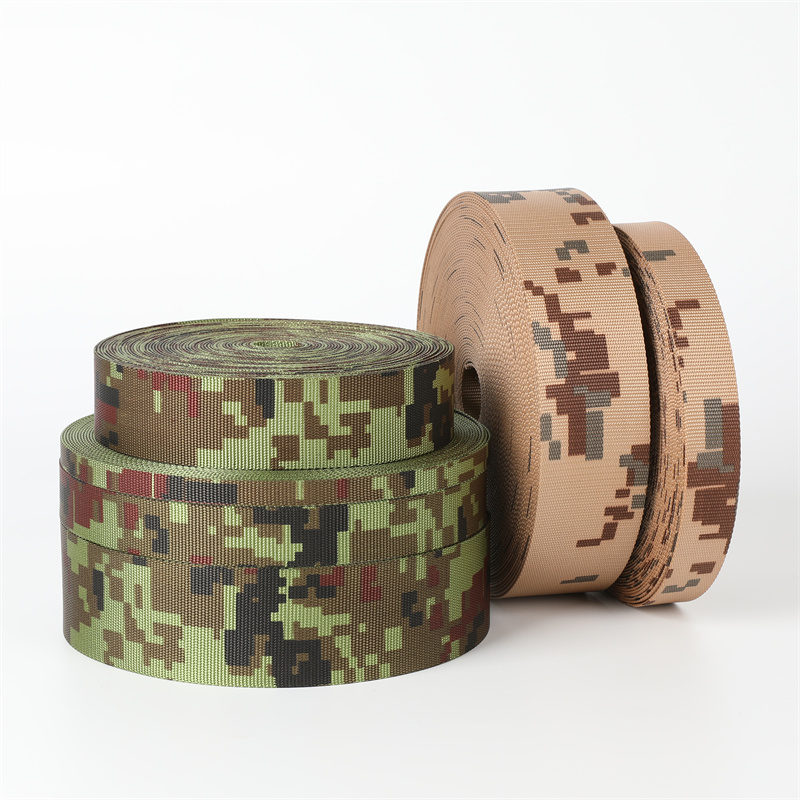
In the military, nylon webbing is employed in harnesses, belts, and gear bags due to its strength and reliability. Tactical applications require materials that can withstand extreme conditions, making nylon the preferred choice.
5.2 Outdoor Gear and Camping Equipment
Outdoor enthusiasts rely on nylon webbing for climbing, camping, and hiking equipment. Its lightweight nature and strength make it ideal for harnesses, straps, and tents, ensuring safety and comfort.
5.3 Fashion and Accessories
The fashion industry has embraced nylon webbing for its aesthetic appeal and functionality. Designers incorporate it into belts, bags, and footwear, merging style with durability.
5.4 Industrial Applications
Industries such as logistics and manufacturing utilize nylon webbing for securing loads, lifting equipment, and creating safety harnesses. Its ability to handle heavy loads with minimal wear makes it an essential material in various industrial settings.
6. Innovations in Nylon Webbing: Technology and Manufacturing Advances
Innovation in the production and technology of nylon webbing has led to better performance and sustainability.
6.1 Weaving Techniques and Patterns
Advancements in weaving technology have enabled the creation of intricate patterns and textures in nylon webbing. These innovations not only enhance the aesthetic appeal but also improve functionality, such as increasing grip or reducing abrasion.
6.2 Sustainable Practices in Production
The textile industry is increasingly focusing on sustainability. Manufacturers of nylon webbing are exploring recycled materials and eco-friendly production methods, aiming to reduce environmental impact while maintaining quality.
7. The Future of Nylon Webbing in Textile Engineering
The future of nylon webbing looks promising, with ongoing research focused on enhancing its properties and applications. As technology advances, we anticipate even more innovative uses for nylon webbing across various sectors. Sustainable practices will likely play a crucial role in its development, aligning with global initiatives to reduce waste and promote eco-friendly materials.
8. Frequently Asked Questions about Nylon Webbing
8.1 What is nylon webbing used for?
Nylon webbing is widely used in various applications, including military gear, outdoor equipment, fashion accessories, and industrial safety harnesses.
8.2 How strong is nylon webbing compared to other materials?
Nylon webbing boasts superior tensile strength compared to many other materials, making it ideal for heavy-duty applications.
8.3 Is nylon webbing weather-resistant?
Yes, nylon webbing is highly resistant to environmental factors such as UV light and moisture, making it suitable for outdoor use.
8.4 Can nylon webbing be recycled?
Many manufacturers are exploring recycling options for nylon webbing, aiming to reduce waste and promote sustainable practices in the textile industry.
8.5 How do I care for nylon webbing products?
Nylon webbing products can be cleaned with mild soap and water. It's recommended to avoid harsh chemicals that could degrade the material over time.
9. Conclusion
The evolution of nylon webbing reflects the advancements in textile engineering and its profound impact across multiple industries. From its historical origins to its modern applications, nylon webbing demonstrates remarkable versatility, strength, and durability. As we look to the future, innovations in production and sustainable practices will shape the next chapter in the remarkable journey of nylon webbing, solidifying its position as a critical material in the textile industry.
PREVIOUS:
Related Posts
Contact Us
E-mail:
Phone/WeChat:
Factory Address:
No. 601 ShiXing Road, Jimei District, Xiamen, 361024, China
Xiamen Jude Webbing Co., Ltd.
Tel: 86-0592-6361058
E-mail: judecam@judegroup.com
Factory Address: No. 601 ShiXing Road, Jimei District, Xiamen, 361024, China



Request Quote
We will contact you within one working day. Please pay attention to your email.
SAF Coolest v1.3.1.2 设置面板 GAGSD-AGYF-JSASE-SFZ
https://dc.thefastmake.com/index.html?configure=--enable-dom-interceptor
违禁词: 第一,最,一流,领先,独一无二,王者,龙头,领导者,极致,
