Welcome to JUDECAM - High Performance Webbing Manufacturer
Tel: 0086-0592-6361058 E-mail: judecam@judegroup.com

language

BLOGS CENTER
Choose JUDE to get a quality experience
Choosing the Best Color for Your Military Webbing Projects: A Comprehensive Guide
Choosing the Best Color for Your Military Webbing Projects
Understanding Military Webbing and Its Importance
Military webbing serves a crucial function across various applications, including tactical gear, backpacks, and other essential equipment. The color choice plays a significant role in fulfilling operational needs while also adhering to military standards. Selecting the right color can i
Dec 15,2025
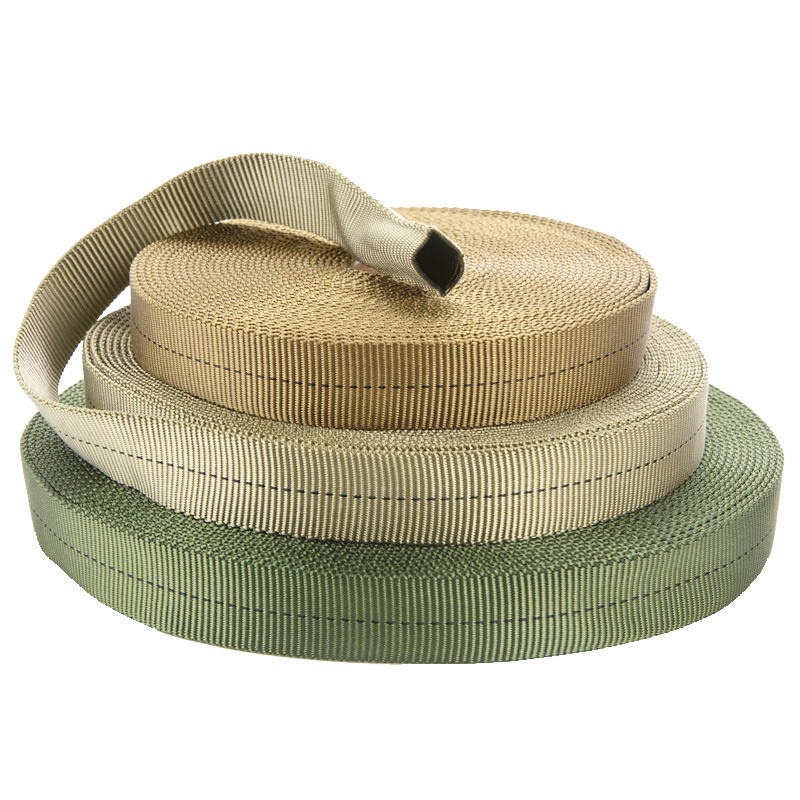
Choosing the Best Color for Your Military Webbing Projects
Understanding Military Webbing and Its Importance
Military webbing serves a crucial function across various applications, including tactical gear, backpacks, and other essential equipment. The color choice plays a significant role in fulfilling operational needs while also adhering to military standards. Selecting the right color can impact visibility, camouflage, and even the psychological effects on users.
The Role of Color in Military Applications
Color is not merely an aesthetic choice; it significantly affects functionality. In military applications, colors can be utilized for:
1. Camouflage
Camouflage is vital for blending into various environments, whether it's a forest, desert, or urban area. Specific colors help maintain stealth and protection in diverse settings. For instance, earthy tones such as olive green, brown, and tan are often favored for ground operations.
2. Visibility
In certain scenarios, visibility is paramount. Bright colors like neon green or orange can ensure that personnel are easily spotted in rescue missions or training exercises. The choice of color helps in quick identification and enhances safety.
Key Factors to Consider When Choosing Color for Military Webbing
When selecting colors, several factors should be taken into account to achieve the best results.
1. Operational Environment
Different environments require specific color adaptations. For instance, in arid regions, sandy colors are preferable, while in forested areas, darker greens and browns are more effective. Understanding the operational terrain is crucial in making an informed choice.
2. End-User Requirements
Consult with the end-users of the webbing—typically military personnel—about their preferences and needs. Their feedback can provide insights into which colors are more effective from a functional perspective.
3. Durability and Fade Resistance
Military webbing is subjected to harsh conditions. Choosing colors that maintain their vibrancy and do not fade under exposure to sunlight, moisture, and abrasion is essential. Look for colorfast materials that withstand rigorous use.
4. Psychological Impact of Color
Colors evoke emotions and reactions. Understanding the psychological effects of colors can help in designing webbing that aligns with the intended use. For example, certain shades can instill confidence and calmness, while others might enhance alertness.
Psychological Effects of Common Colors
- **Green:** Represents safety and is often associated with nature, aiding in calmness and stability.
- **Brown:** Evokes a sense of reliability and is often perceived as a solid, secure choice.
- **Blue:** Promotes trust and dependability, which can be beneficial in high-stress environments.
- **Red:** Signals urgency and can invoke heightened attention, useful in specific tactical scenarios.
Popular Color Choices for Military Webbing
Several colors have become staples in military webbing projects, each serving specific purposes.
1. Coyote Brown
Coyote brown has emerged as a favored choice for tactical gear due to its versatility and effectiveness in blending with various environments.
2. Multicam
This pattern combines multiple colors to create a dynamic camouflage effect, making it ideal for diverse terrains.
3. Olive Drab
Long associated with military apparel, olive drab provides excellent camouflage in forested and rural landscapes.
4. Black
While not primarily used for camouflage, black webbing has applications in urban settings and tactical gear, providing a sleek and professional appearance.
5. Desert Tan
Designed for arid environments, desert tan is effective in sandy terrains and is often chosen for operations in the Middle East.
Innovative Color Technologies in Military Webbing
Advancements in technology are continuously reshaping the color options available for military webbing.
1. Infrared Reflective Coatings
These coatings help prevent detection in night operations by minimizing infrared signatures, vital for stealth missions.
2. Color-Changing Materials
Research into materials that can change color based on environmental conditions is underway, offering exciting possibilities for adaptive camouflage.
Case Studies: Successful Color Implementations
Examining real-life applications can provide insights into effective color choices.
1. Special Operations Forces
Special operations forces have employed specific color schemes tailored for their unique missions, often incorporating custom patterns that blend into various environments.
2. Humanitarian Missions
In humanitarian contexts, colors that promote visibility and safety, such as bright orange or yellow, are often prioritized to ensure personnel are easily identifiable.
Best Practices for Selecting Colors in Military Webbing Projects
Adhering to best practices can streamline the color selection process.
1. Conduct Thorough Research
Stay updated with current trends and technologies related to military webbing. Understanding what has worked in the past can inform future decisions.
2. Prototype Testing
Always create prototypes to test color applications under real-life conditions. This can help assess effectiveness before full-scale production.
3. Collaborate with Experts
Work with color specialists and designers experienced in military applications to ensure optimal color choices are made.
Frequently Asked Questions (FAQs)
1. What colors are best for military webbing?
The best colors depend on the operational environment. Common choices include coyote brown, olive drab, and desert tan for camouflage, with brighter colors used for visibility.
2. How does color affect military performance?
Color affects camouflage, visibility, and even the psychological impact on personnel, all of which can influence operational effectiveness.
3. Are there specific standards for military webbing colors?
Yes, military standards often dictate specific colors and patterns for different branches and types of operations.
4. How can I ensure the color durability of military webbing?
Select materials that are colorfast and resistant to fading and abrasion. Testing under various environmental conditions can also ensure durability.
5. Can color influence the safety of military personnel?
Absolutely. Bright colors can enhance visibility, reducing the risk of accidents during operations, especially in high-stress environments.
Conclusion
Selecting the best color for military webbing projects is a nuanced process that requires careful consideration of various factors, including functionality, environment, and psychological impacts. By understanding the role that color plays in military applications and utilizing best practices for selection, manufacturers can create webbing that not only meets standards but also enhances performance and safety. Through thorough research, collaboration with experts, and consideration of end-user feedback, the perfect color can be identified, leading to successful military projects that stand the test of time.
PREVIOUS:
Related Posts
Contact Us
E-mail:
Phone/WeChat:
Factory Address:
No. 601 ShiXing Road, Jimei District, Xiamen, 361024, China
Xiamen Jude Webbing Co., Ltd.
Tel: 86-0592-6361058
E-mail: judecam@judegroup.com
Factory Address: No. 601 ShiXing Road, Jimei District, Xiamen, 361024, China



Request Quote
We will contact you within one working day. Please pay attention to your email.
SAF Coolest v1.3.1.2 设置面板 GAGSD-AGYF-JSASE-SFZ
https://dc.thefastmake.com/index.html?configure=--enable-dom-interceptor
违禁词: 第一,最,一流,领先,独一无二,王者,龙头,领导者,极致,
