Welcome to JUDECAM - High Performance Webbing Manufacturer
Tel: 0086-0592-6361058 E-mail: judecam@judegroup.com

language

BLOGS CENTER
Choose JUDE to get a quality experience
Transform Your Textile Creations with Premium Fireproof Webbing
Transform Your Textile Creations with Premium Fireproof Webbing
Table of Contents
1. Introduction to Fireproof Webbing
2. What is Fireproof Webbing?
3. Benefits of Using Fireproof Webbing in Textile Products
4. Applications of Fireproof Webbing: Where to Use It?
5. How to Choose the Right Fireproof Webbing for Your Projects
6. Leading Manufacturers of Firep
Dec 13,2025
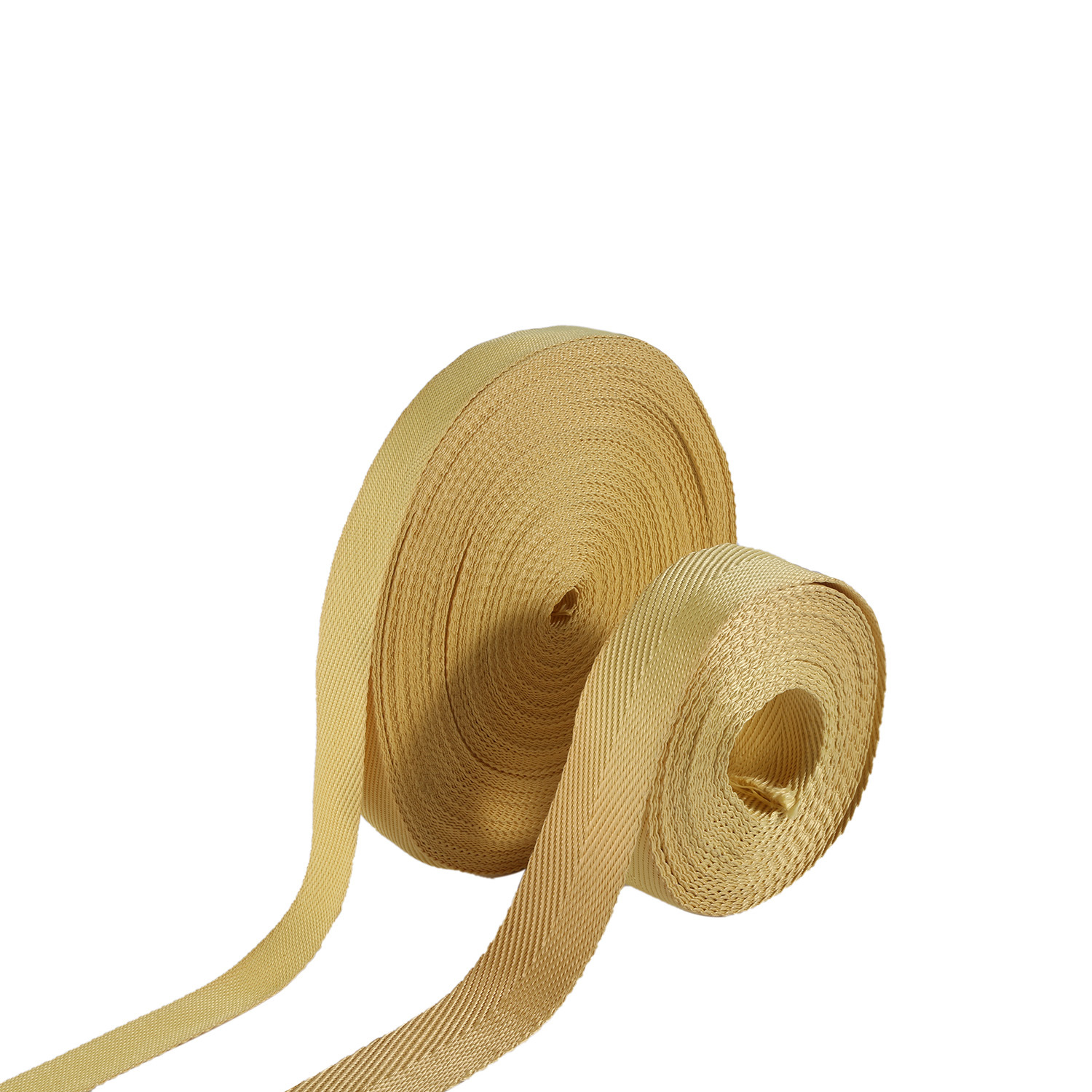
Transform Your Textile Creations with Premium Fireproof Webbing
Table of Contents
- 1. Introduction to Fireproof Webbing
- 2. What is Fireproof Webbing?
- 3. Benefits of Using Fireproof Webbing in Textile Products
- 4. Applications of Fireproof Webbing: Where to Use It?
- 5. How to Choose the Right Fireproof Webbing for Your Projects
- 6. Leading Manufacturers of Fireproof Webbing
- 7. Sustainability in Fireproof Webbing Production
- 8. Frequently Asked Questions
- 9. Conclusion: Elevating Your Textile Innovations
1. Introduction to Fireproof Webbing
In a world increasingly focused on safety and innovation, **fireproof webbing** has emerged as a pivotal material in various textile applications. From outdoor gear to automotive interiors, the demand for textiles that can withstand extreme conditions has never been higher. This article delves into the transformative capabilities of fireproof webbing, providing insights into its benefits, applications, and how it can elevate your textile creations.
2. What is Fireproof Webbing?
Fireproof webbing refers to a specialized type of textile material designed to resist ignition and prevent the spread of fire. Made from high-performance fibers such as **aramid**, **fiberglass**, or **polyester**, fireproof webbing is engineered to endure high temperatures and harsh conditions. The unique properties of these materials make them suitable for applications that necessitate high levels of safety and durability.
2.1 Characteristics of Fireproof Webbing
Fireproof webbing typically exhibits the following characteristics:
- **Flame Resistance**: It does not ignite easily and can withstand extreme temperatures.
- **Durability**: Resistant to wear and tear, making it ideal for heavy-duty applications.
- **Versatility**: Can be used in a wide range of products, from sports equipment to industrial textiles.
- **Lightweight**: Despite its strength, fireproof webbing is often lightweight, enhancing comfort and usability in various applications.
3. Benefits of Using Fireproof Webbing in Textile Products
Integrating fireproof webbing into your textile creations offers numerous advantages that can significantly enhance product safety and performance.
3.1 Enhanced Safety
Safety is paramount in many industries, and using fireproof webbing helps ensure that end-users are protected from fire hazards. This material is crucial in applications such as firefighting gear, automotive interiors, and safety harnesses, where failure could lead to serious consequences.
3.2 Increased Durability and Longevity
Fireproof webbing is designed to withstand harsh environments and maintain its integrity over time. This durability translates to a longer lifespan for products, reducing the need for frequent replacements and ultimately saving costs.
3.3 Versatile Design Options
Fireproof webbing is available in various colors, textures, and widths, allowing designers to create aesthetically pleasing yet functional products. This versatility opens doors for innovative designs across different textile applications.
3.4 Compliance with Safety Regulations
Many industries have stringent safety regulations that require the use of fire-resistant materials. Using fireproof webbing ensures compliance with these regulations, protecting manufacturers and users alike.
4. Applications of Fireproof Webbing: Where to Use It?
The versatility of fireproof webbing makes it suitable for various applications across multiple industries.
4.1 Outdoor Gear and Equipment
Fireproof webbing is commonly used in outdoor gear, such as camping tents, backpacks, and climbing equipment. These products need to withstand not only physical wear but also exposure to fire hazards.
4.2 Automotive Industry
In the automotive sector, fireproof webbing is utilized in seatbelts, upholstery, and other interior components. This ensures that vehicles meet safety standards and provide added protection for passengers.
4.3 Industrial Applications
In industrial settings, fireproof webbing is essential for safety harnesses and personal protective equipment (PPE). Workers in high-risk environments rely on these materials to mitigate fire-related dangers.
4.4 Fashion and Accessories
Fashion designers are increasingly incorporating fireproof webbing into their creations, from stylish belts to modern handbags. This trend not only enhances the aesthetic appeal but also ensures safety in daily wear.
5. How to Choose the Right Fireproof Webbing for Your Projects
Selecting the appropriate fireproof webbing is crucial for ensuring the success of your textile creations. Consider the following factors:
5.1 Assessing the Application
Identify the specific requirements of your project. Different applications may necessitate varying levels of fire resistance and durability.
5.2 Understanding Material Properties
Familiarize yourself with the characteristics of different fibers used in fireproof webbing. Understanding their benefits and limitations will help you make informed decisions.
5.3 Evaluating Supplier Credentials
Choose reputable manufacturers that adhere to industry standards. Look for certifications that demonstrate compliance with safety regulations and quality assurance.
6. Leading Manufacturers of Fireproof Webbing
Several companies specialize in producing high-quality fireproof webbing. Some of the leading manufacturers include:
- DuPont: Known for its innovative aramid fibers, DuPont offers a range of fire-resistant products suitable for various applications.
- Milliken & Company: This manufacturer provides durable fireproof textiles for industrial and commercial use.
- Webbing Solutions: Specializes in high-quality fireproof webbing for outdoor and safety gear.
- Seaman Corporation: Offers a variety of fire-resistant fabrics designed for extreme conditions.
- Texcel: Provides customized fireproof webbing solutions tailored to specific customer needs.
7. Sustainability in Fireproof Webbing Production
As sustainability becomes a critical concern in the textile industry, many manufacturers are adopting eco-friendly practices in the production of fireproof webbing. This includes sourcing materials responsibly and implementing energy-efficient manufacturing processes.
7.1 Eco-friendly Materials
Look for fireproof webbing made from recycled or sustainable materials. This helps reduce the environmental impact of textile production.
7.2 Reducing Waste
Choose manufacturers that prioritize waste reduction through efficient manufacturing techniques and recycling programs.
7.3 Life Cycle Assessments
Consider suppliers that conduct life cycle assessments (LCA) to evaluate the environmental impact of their products, promoting transparency and accountability.
8. Frequently Asked Questions
8.1 What makes fireproof webbing different from regular webbing?
Fireproof webbing is specifically engineered to resist ignition and prevent the spread of flames, while regular webbing may not have these properties.
8.2 Can fireproof webbing be used in clothing?
Yes, fireproof webbing can be incorporated into clothing, particularly in products designed for high-risk environments, such as firefighting gear.
8.3 How do I care for fireproof webbing products?
Follow the manufacturer’s care instructions, which typically involve gentle washing and avoiding harsh chemicals that could damage the fabric.
8.4 Is fireproof webbing suitable for outdoor use?
Absolutely. Fireproof webbing is ideal for outdoor gear, as it can withstand harsh weather conditions and potential fire hazards.
8.5 Are there different grades of fireproof webbing?
Yes, fireproof webbing comes in various grades, each designed for specific applications and levels of fire resistance. Always verify the specifications based on your needs.
9. Conclusion: Elevating Your Textile Innovations
Incorporating **fireproof webbing** into your textile creations not only enhances safety but also opens up a world of design possibilities. Whether you are involved in fashion, outdoor gear, or industrial applications, understanding the benefits and applications of this material can set your products apart. By making informed choices and selecting high-quality fireproof webbing, you can elevate your textile innovations to new heights, ensuring both performance and compliance with safety standards. Start transforming your creations today with the power of fireproof webbing!
Related Posts
Contact Us
E-mail:
Phone/WeChat:
Factory Address:
No. 601 ShiXing Road, Jimei District, Xiamen, 361024, China
Xiamen Jude Webbing Co., Ltd.
Tel: 86-0592-6361058
E-mail: judecam@judegroup.com
Factory Address: No. 601 ShiXing Road, Jimei District, Xiamen, 361024, China



Request Quote
We will contact you within one working day. Please pay attention to your email.
SAF Coolest v1.3.1.2 设置面板 GAGSD-AGYF-JSASE-SFZ
https://dc.thefastmake.com/index.html?configure=--enable-dom-interceptor
违禁词: 第一,最,一流,领先,独一无二,王者,龙头,领导者,极致,
