Welcome to JUDECAM - High Performance Webbing Manufacturer
Tel: 0086-0592-6361058 WhatsApp: +86-133-5839-9583 E-mail: judecam@judegroup.com


BLOGS CENTER
Choose JUDE to get a quality experience
Outdoor Webbing for Pet Owners: Safe and Reliable Options
Oct 18,2026
Outdoor Webbing for Pet Owners: Safe and Reliable Options
As pet owners, we continuously seek ways to ensure our furry companions can enjoy the great outdoors safely. One essential aspect of outdoor adventures is the use of outdoor webbing. This guide delves into various types of outdoor webbing designed specifically for pets, offering insights into safety, reliability, and the best choices available on the market today.
Table of Contents
- Understanding Outdoor Webbing for Pets
- Types of Outdoor Webbing Materials
- Features to Consider When Choosing Webbing
- Applications of Outdoor Webbing for Pets
- Safety Considerations for Pet Webbing
- How to Care for Your Pet Webbing
- Top Brands and Products in Outdoor Webbing
- Frequently Asked Questions
Understanding Outdoor Webbing for Pets
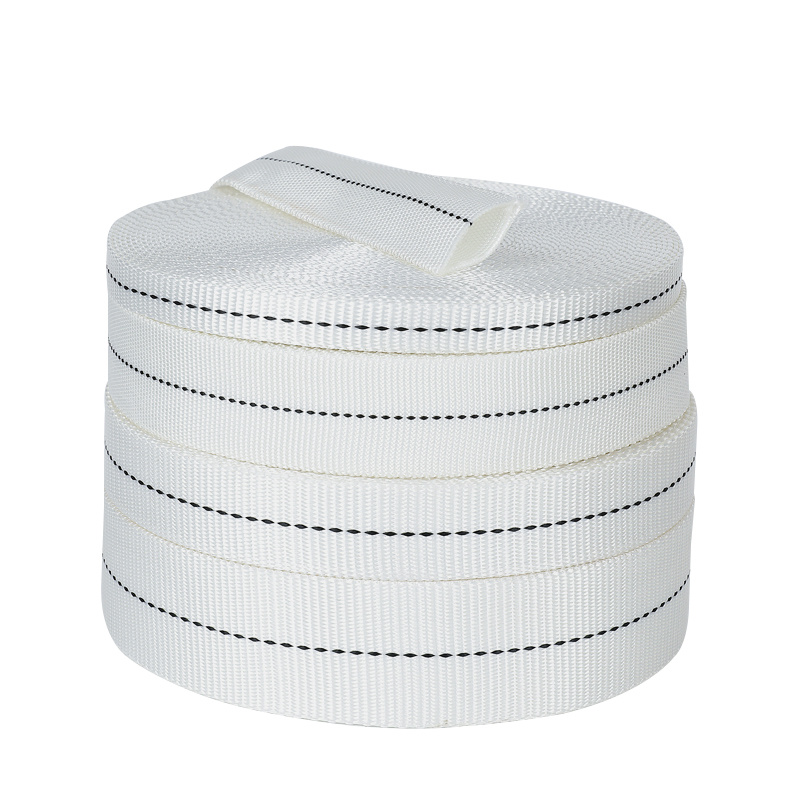
Outdoor webbing is a versatile and robust material commonly used in various applications, including pet gear. It is crafted from durable materials that withstand abrasion, stretching, and exposure to outdoor elements. Pet owners utilize this webbing in leashes, harnesses, and even as tie-outs for camping or hiking.
What makes outdoor webbing an excellent choice for pet products is its strength-to-weight ratio. It can hold considerable weight without adding excessive bulk, making it ideal for pets of all sizes. Understanding the different types of outdoor webbing available is crucial for choosing the right product for your needs.
Types of Outdoor Webbing Materials
When selecting outdoor webbing for pets, it's essential to familiarize yourself with the various materials available. Below are the most popular types:
Nylon Webbing
Nylon is a frequently used material in outdoor webbing due to its exceptional strength and durability. It is resistant to abrasion and can withstand varying weather conditions. Its flexibility offers comfort, making it a popular choice for leashes and harnesses.
Polyester Webbing
Polyester webbing is another excellent option, known for its UV resistance. This material is less prone to fading and degradation due to sun exposure, making it ideal for outdoor use. It is lightweight and offers decent strength, making it suitable for various pet applications.
Polypropylene Webbing
Polypropylene is the lightest of the three materials discussed. It is resistant to mold, mildew, and moisture, making it an excellent choice for wet environments. However, it may not be as strong as nylon or polyester, so it’s essential to consider your pet's size and strength when choosing this material.
Features to Consider When Choosing Webbing
Choosing the right outdoor webbing goes beyond just picking a material. Here are some critical features to consider:
Width and Thickness
The width and thickness of the webbing determine its strength and suitability for various pets. For larger dogs, wider and thicker webbing is advisable, while smaller breeds may require narrower options.
Weight Capacity
Check the specified weight capacity of the webbing. It should comfortably support your pet's weight to ensure safety during outdoor activities.
Reflective Properties
For evening walks or camping trips, consider webbing with reflective properties. This feature enhances visibility, ensuring you and your pet are seen in low-light conditions.
Weather Resistance
Outdoor webbing should be resistant to various weather conditions. Look for materials that can withstand moisture, UV rays, and temperature fluctuations, ensuring longevity and reliability.
Applications of Outdoor Webbing for Pets
Outdoor webbing has a variety of applications in pet ownership, enhancing safety and convenience during adventures:
Leashes and Harnesses
One of the most common uses for outdoor webbing is in leashes and harnesses. These provide pet owners with reliable control while allowing pets to enjoy their surroundings.
Camping Gear
Many pet owners enjoy taking their furry friends camping. Outdoor webbing can be used to create secure tie-outs, ensuring pets stay safe and secure while enjoying nature.
Safety Straps
Webbing is also used in safety straps for pet carriers and vehicles. These straps help keep pets secure during travel, reducing the risk of accidents.
Safety Considerations for Pet Webbing
Safety should always be a priority when selecting outdoor webbing for pets. Here are some considerations:
Regular Inspections
Inspect webbing regularly for signs of wear and tear. Look for frays, discoloration, or any signs of weakening. Replace any damaged webbing immediately to avoid accidents.
Proper Fit
Ensure that any harness or leash made from webbing fits your pet snugly but comfortably. A proper fit reduces the risk of escape or injury during outdoor activities.
Training
Training your pet to respond to commands while on a leash or harness is essential. This training ensures better control during walks and outdoor adventures, leading to safer experiences.
How to Care for Your Pet Webbing
Caring for outdoor webbing enhances its lifespan and performance. Here are some tips:
Cleaning
Regularly clean webbing using mild soap and water. Avoid harsh chemicals that can degrade the material. Rinse thoroughly and allow it to dry completely before storing.
Storage
Store webbing in a cool, dry place away from direct sunlight. This prevents UV damage and prolongs its life.
Top Brands and Products in Outdoor Webbing
Choosing products from reputable brands can provide peace of mind regarding quality and safety. Here are some top brands known for their outdoor webbing products:
Ruffwear
Ruffwear specializes in durable outdoor gear for pets. Their webbing products are designed for adventure, ensuring safety and reliability.
Kurgo
Kurgo offers a range of pet products, including leashes and harnesses made from high-quality webbing, ensuring pet safety during outdoor activities.
Pawtitas
Pawtitas focuses on eco-friendly materials, providing a variety of webbing options for pet owners who prioritize sustainability.
Frequently Asked Questions
1. What is outdoor webbing made of?
Outdoor webbing is typically made from materials like nylon, polyester, or polypropylene, each offering different strengths and functionalities.
2. How do I know which outdoor webbing is best for my pet?
Consider your pet's size, strength, and the specific activities you plan to do. Look for materials that offer durability and safety for your intended use.
3. Can outdoor webbing be used in water?
Yes, many types of outdoor webbing are resistant to water; however, it's essential to check the specific material's properties to ensure it meets your needs.
4. How often should I replace pet webbing?
Regularly inspect webbing for signs of wear. Replace it if you notice fraying, discoloration, or any weakening that could compromise its safety.
5. Is reflective webbing worth it?
Absolutely! Reflective webbing enhances visibility during low-light conditions, making it a worthwhile investment for nighttime walks or camping trips.
Conclusion
Choosing the right outdoor webbing for your pet is a critical decision that can significantly enhance their safety and enjoyment during outdoor activities. By understanding the various materials, applications, and safety considerations, pet owners can make informed decisions that ensure memorable adventures. Investing in quality outdoor webbing not only provides peace of mind but also adds to the overall experience of exploring the great outdoors with our beloved pets. Whether you are hiking on a trail or camping under the stars, having reliable outdoor webbing will keep your furry friends secure and happy.
Related Posts
Christmas & New Year Greetings from Jude Webbing
Dec 24,2025
Contact Us
E-mail:
Phone/WeChat:
Factory Address:
No. 601 ShiXing Road, Jimei District, Xiamen, 361024, China
Xiamen Jude Webbing Co., Ltd.
WeChat: JUDE_CAM
Tel: 86-0592-6361058
WhatsApp: +86-133-5839-9583
E-mail: judecam@judegroup.com
Factory Address: No. 601 ShiXing Road, Jimei District, Xiamen, 361024, China



Request Quote
We will contact you within one working day. Please pay attention to your email.
SAF Coolest v1.3.1.2 设置面板 GAGSD-AGYF-JSASE-SFZ
https://dc.thefastmake.com/index.html?configure=--enable-dom-interceptor
