Welcome to JUDECAM - High Performance Webbing Manufacturer
Tel: 0086-0592-6361058 E-mail: judecam@judegroup.com


BLOGS CENTER
Choose JUDE to get a quality experience
How to Safely Use Nylon Webbing in Climbing and Other Sports: A Comprehensive Guide
Feb 01,2026
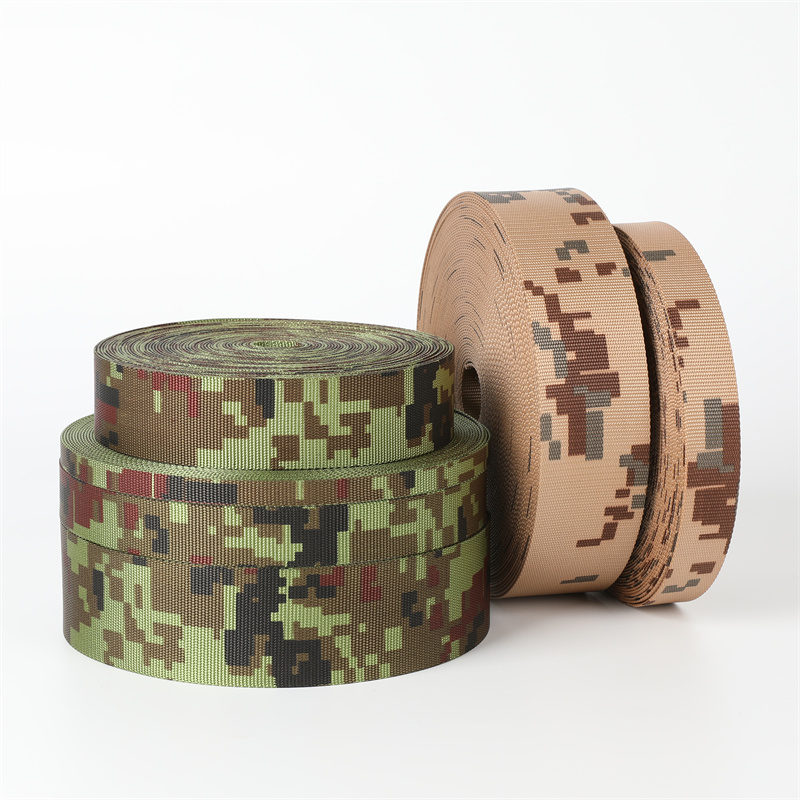
How to Safely Use Nylon Webbing in Climbing and Other Sports
Nylon webbing is an indispensable tool in the world of climbing, camping, and other outdoor sports. Its strength, durability, and versatility make it a preferred choice among athletes and outdoor enthusiasts. However, despite its many advantages, proper usage and safety precautions are essential to ensure that nylon webbing performs as expected. This article elaborates on how to safely use nylon webbing, the types available, maintenance tips, and much more. Let’s dive in!
Table of Contents
- Introduction to Nylon Webbing
- Types of Nylon Webbing for Climbing and Sports
- Benefits of Using Nylon Webbing in Outdoor Activities
- Safety Measures When Using Nylon Webbing
- Proper Techniques for Using Nylon Webbing
- Maintenance and Care for Nylon Webbing
- Common Mistakes to Avoid When Using Nylon Webbing
- Conclusion
- FAQs
Introduction to Nylon Webbing
Nylon webbing is a type of strong, woven fabric made from nylon fibers. Its primary purpose is to provide strength and flexibility, making it ideal for various applications, including climbing, hiking, and other sports. Unlike other materials, nylon webbing can stretch under load, which adds an element of safety by absorbing shock during falls or sudden movements. Understanding its composition and properties is crucial for anyone looking to incorporate nylon webbing into their sports gear.
Types of Nylon Webbing for Climbing and Sports
There are several types of nylon webbing designed for different applications. Here are the most common varieties:
1. Flat Nylon Webbing
This type is widely used in climbing and camping gear due to its flat profile, which makes it easy to handle and tie knots. Flat nylon webbing is versatile and can be sewn into slings or used as a tie-down for gear.
2. Tubular Nylon Webbing
As the name suggests, tubular nylon webbing is cylindrical and offers enhanced strength compared to flat webbing. It is primarily used for climbing harnesses and slings, providing extra protection against wear and tear due to its double-layered construction.
3. High-Visibility Nylon Webbing
This type is often available in bright colors to enhance visibility during low-light conditions, making it essential for rescue operations or when climbing in dim environments.
4. Specialty Nylon Webbing
Some manufacturers produce nylon webbing with specific coatings or treatments to resist UV rays, water, or abrasion. These specialized types are ideal for extreme conditions or specialized sports.
Benefits of Using Nylon Webbing in Outdoor Activities
Choosing nylon webbing for your climbing and outdoor needs offers several advantages:
Strength and Durability
Nylon webbing is known for its exceptional tensile strength, making it suitable for high-load applications. It can withstand significant weight and stress without breaking, ensuring safety during climbs and other activities.
Lightweight and Portable
Unlike some other materials, nylon webbing is lightweight, allowing climbers and sports enthusiasts to carry it easily without adding unnecessary weight to their gear.
Versatile Use
Nylon webbing can be used in various applications, from climbing and rescuing to securing gear or creating improvised harnesses. Its adaptability makes it a go-to option for many outdoor enthusiasts.
Shock Absorption
The stretch inherent in nylon allows it to absorb shock loads effectively, reducing the impact on both the climber and the gear during sudden falls or jolts.
Safety Measures When Using Nylon Webbing
Safety is paramount when using nylon webbing. Here are essential measures to ensure safe usage:
1. Inspect Before Use
Always conduct a thorough inspection of the nylon webbing before each use. Look for signs of wear, fraying, or any damage that could compromise its integrity. If you notice any defects, replace the webbing immediately.
2. Know Your Load Limits
Understand the load limit of the specific nylon webbing you are using. Each type of webbing has its own strength ratings, and exceeding these limits can lead to catastrophic failures.
3. Secure Knots Properly
Ensure all knots are tied correctly and securely. Double-check knots before putting weight on the webbing to avoid slipping or loosening during use.
4. Avoid Sharp Edges
Keep nylon webbing away from sharp edges or surfaces that could cause abrasion or cuts. If necessary, use protective sleeves or padding to safeguard the webbing from damage.
5. Use Appropriate Equipment
Always pair nylon webbing with compatible gear, such as carabiners or harnesses. Mismatched gear can lead to accidents, so ensure that all components are designed to work together.
Proper Techniques for Using Nylon Webbing
Employing correct techniques when using nylon webbing can enhance safety and performance:
1. Properly Securing Slings
When creating slings, ensure that they are securely positioned and that the load is evenly distributed. Use a figure-eight knot or a double fisherman’s knot for added security.
2. Learning Climbing Knots
Familiarize yourself with essential climbing knots that work well with nylon webbing, such as the bowline, clove hitch, and equalizing knots. Mastering these knots can enhance your climbing safety.
3. Practice Setup and Teardown
Before heading out, practice setting up and taking down your gear, including the nylon webbing. Understanding the process can help reduce errors when you’re in a high-pressure situation.
4. Training with Others
Whenever possible, practice using nylon webbing with a partner or instructor. Learning from experienced climbers can provide invaluable insights and enhance your skills.
Maintenance and Care for Nylon Webbing
Proper maintenance can significantly extend the lifespan of your nylon webbing:
1. Cleaning
Regularly clean your nylon webbing to remove dirt, grime, and salt. Hand wash with mild soap and warm water, then rinse thoroughly to avoid residue buildup. Air dry completely before storing.
2. Storage
Store nylon webbing in a cool, dry place away from direct sunlight. Avoid folding it tightly, as this can create creases and weaken the fibers over time. Instead, roll it loosely or hang it.
3. Regular Inspections
In addition to pre-use inspections, conduct regular checks on your nylon webbing. Look for signs of wear, fraying, or any discoloration that may indicate damage.
Common Mistakes to Avoid When Using Nylon Webbing
Even experienced climbers can make mistakes. Here are common errors to watch out for:
1. Ignoring Weight Limits
One of the most significant risks is ignoring the weight limits of nylon webbing. Always adhere to the manufacturer's specifications to prevent accidents.
2. Using Damaged Webbing
Never use webbing that shows signs of wear or damage. Replacing worn-out webbing is always better than risking personal safety.
3. Poor Knot Tying
Poorly tied knots can lead to slipping and accidents. Practice knot tying regularly to ensure you can do it correctly under pressure.
4. Overlooking Compatibility
Ensure all gear is compatible with your nylon webbing. Mixing and matching incompatible gear can lead to failures during use.
Conclusion
Using nylon webbing safely in climbing and other sports involves understanding its properties, employing proper techniques, and taking necessary precautions. By following the guidelines outlined in this comprehensive guide, we can ensure a safer, more enjoyable experience in our climbing endeavors. Remember, safety should always be the utmost priority, and with the right practices in place, nylon webbing can be a reliable partner in your outdoor adventures.
FAQs
1. How strong is nylon webbing?
Nylon webbing can have a tensile strength ranging from 1,000 to over 6,000 pounds, depending on the type and width. Always check the specifications for your specific webbing.
2. Can I wash nylon webbing in a washing machine?
It’s best to hand wash nylon webbing with mild soap and warm water. Machine washing may cause tangling and damage.
3. How often should I replace my nylon webbing?
Replace nylon webbing if you notice any signs of wear, fraying, or damage. Even without visible defects, it is advisable to replace it every few years, depending on usage.
4. Is nylon webbing UV resistant?
Standard nylon webbing has limited UV resistance. However, some specialized nylon webbing has been treated for enhanced UV protection. Always check product details for UV resistance.
5. Can nylon webbing be used for rescue operations?
Yes, nylon webbing is commonly used in rescue operations due to its strength and flexibility. Ensure that it meets the necessary safety standards for rescue equipment.
Related Posts
Contact Us
E-mail:
Phone/WeChat:
Factory Address:
No. 601 ShiXing Road, Jimei District, Xiamen, 361024, China
Xiamen Jude Webbing Co., Ltd.
Tel: 86-0592-6361058
E-mail: judecam@judegroup.com
Factory Address: No. 601 ShiXing Road, Jimei District, Xiamen, 361024, China



Request Quote
We will contact you within one working day. Please pay attention to your email.
SAF Coolest v1.3.1.2 设置面板 GAGSD-AGYF-JSASE-SFZ
https://dc.thefastmake.com/index.html?configure=--enable-dom-interceptor
