Welcome to JUDECAM - High Performance Webbing Manufacturer
Tel: 0086-0592-6361058 E-mail: judecam@judegroup.com

language

BLOGS CENTER
Choose JUDE to get a quality experience
The Future of Military Webbing: Innovative Trends and Advancements
The Future of Military Webbing: Trends to Watch
Introduction to Military Webbing
Military webbing plays a crucial role in the design and functionality of tactical gear. Used extensively for securing, carrying, and organizing equipment, this versatile textile is integral to military operations. As technology evolves, so too does the nature of military webbing, leading to innovative materials an
Dec 25,2025
The Future of Military Webbing: Trends to Watch
Introduction to Military Webbing
Military webbing plays a crucial role in the design and functionality of tactical gear. Used extensively for securing, carrying, and organizing equipment, this versatile textile is integral to military operations. As technology evolves, so too does the nature of military webbing, leading to innovative materials and applications that enhance performance and adaptability.
Understanding Military Webbing: Key Characteristics
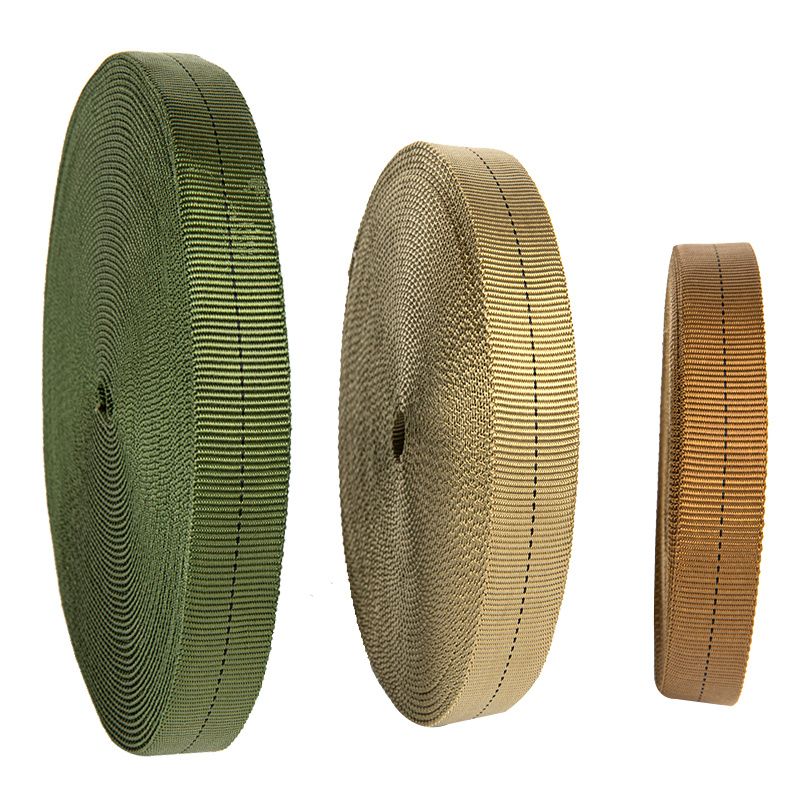
Military webbing is characterized by its durability, flexibility, and strength, making it suitable for various applications, including backpacks, harnesses, and load-bearing equipment. Key features include:
- **Material Composition**: Most military webbing is composed of nylon, polyester, or a blend of both, providing resistance to wear and tear, UV exposure, and moisture.
- **Weave Patterns**: Different weaving techniques, such as flat or tubular, contribute to the webbing's functionality and load-bearing capacity.
- **Color and Camouflage**: Webbing often comes in various colors and patterns to meet specific operational requirements and blend into different environments.
The Rise of Advanced Materials in Military Webbing
The future of military webbing is significantly influenced by advancements in material science. Innovations in fabric technology promise to enhance the performance and longevity of webbing used in military applications. Key trends include:
1. High-Performance Synthetic Fibers
The development of high-performance synthetic fibers, such as Dyneema® and Spectra®, is revolutionizing military webbing. These ultra-lightweight materials offer exceptional strength-to-weight ratios, making them ideal for combat gear where every ounce counts.
2. Smart Textiles
The integration of smart textile technology into military webbing is a trend gaining traction. These textiles can respond to environmental changes, enhancing soldier comfort and performance. Features may include temperature regulation, moisture-wicking properties, and even embedded sensors for biometrics and situational awareness.
3. Eco-Friendly Materials
With increasing emphasis on sustainability, the military is exploring eco-friendly materials for webbing production. Biodegradable fibers and recycled materials are being developed to reduce the environmental impact of military operations. This shift not only appeals to ecological concerns but also reflects modern consumers' preferences for sustainable products.
Multifunctionality in Military Webbing
The demand for multifunctional gear is growing, leading to innovative designs in military webbing. This trend emphasizes versatility, allowing soldiers to carry multiple tools and equipment without compromising mobility.
1. Modular Systems
Modular systems, such as the Modular Lightweight Load-carrying Equipment (MOLLE) system, have transformed how military webbing is used. These systems allow for customizable configurations, enabling soldiers to adapt their gear based on mission requirements.
2. Integrated Technology
As technology continues to advance, military webbing is being designed to accommodate integrated tech features. Examples include webbing with built-in communication devices, GPS tracking, and power sources for electronics, allowing soldiers to maintain connectivity in the field.
Trends in Design and Aesthetics
The aesthetics of military webbing are evolving alongside its functional characteristics. Designers are now focusing on creating webbing that is not only practical but also visually appealing. Trends in design include:
1. Customization and Personalization
The ability to customize gear has become increasingly important to military personnel. Options for personalized webbing designs, colors, and patterns allow soldiers to express individuality while adhering to military standards.
2. Ergonomic Designs
Comfort is paramount in military operations. Ergonomically designed webbing, which conforms to the body's contours, reduces strain and enhances mobility. Innovations in padding and adjustable features are being incorporated to create ergonomic solutions.
Global Market Trends in Military Webbing
The military webbing market is experiencing significant growth, driven by several factors. Understanding these trends is crucial for manufacturers and consumers alike.
1. Increased Defense Budgets
Nations worldwide are increasing their defense budgets, leading to investments in advanced military equipment, including webbing. This trend is particularly evident in countries with emerging defense industries aiming to enhance their tactical capabilities.
2. Technological Innovations
The continuous evolution of technology is a driving force behind innovations in military webbing. Companies are investing in research and development to create webbing that meets the demands of modern warfare. Collaborations between military and textile manufacturers are becoming common to push the boundaries of what's possible.
Challenges Facing the Military Webbing Industry
While the future of military webbing appears promising, there are challenges that the industry must address to continue advancing.
1. Cost Constraints
Advanced materials and technologies often come with higher production costs, which can be a barrier to widespread adoption. Manufacturers must find a balance between innovation and affordability.
2. Supply Chain Issues
The global supply chain has faced disruptions in recent years, impacting the availability of materials needed for military webbing production. Companies must develop strategies to mitigate supply chain risks and ensure consistent quality and availability.
Future Outlook: What Lies Ahead for Military Webbing
Looking ahead, the future of military webbing is likely to be shaped by several key factors:
1. Ongoing Research and Development
Investment in R&D will continue to drive innovation, leading to the development of more advanced materials and technologies tailored to military needs.
2. Enhanced Focus on Soldier Safety and Well-being
As the military recognizes the importance of soldier safety and wellness, webbing designs will increasingly prioritize comfort, support, and functionality, ensuring that personnel can perform at their best in demanding environments.
3. Global Collaboration
International collaborations between military organizations and manufacturers will facilitate knowledge sharing and drive advancements in military webbing technology. This collaborative approach will ensure that best practices are adopted and adapted worldwide.
Conclusion
The future of military webbing is poised for remarkable advancements, characterized by innovative materials, multifunctional designs, and a focus on sustainability. As the military landscape evolves, so too will the requirements for tactical gear, emphasizing adaptability, efficiency, and soldier welfare. By staying ahead of these trends, manufacturers and military organizations can cultivate an environment that fosters innovation and ensures that armed forces are equipped to meet the challenges of modern warfare.
FAQs
1. What materials are commonly used in military webbing?
Military webbing is primarily made from synthetic fibers like nylon and polyester, known for their durability and resistance to environmental factors. Emerging materials, such as Dyneema® and eco-friendly options, are also gaining popularity.
2. How does military webbing differ from regular webbing?
Military webbing is designed for extreme conditions, requiring higher durability, strength, and functionality compared to regular webbing used in everyday applications. Features like modularity and customization are also more emphasized in military webbing.
3. What are some applications of military webbing?
Military webbing is used in various applications, including load-bearing equipment, harnesses, tactical vests, backpacks, and other gear essential for military personnel.
4. Are there sustainable options for military webbing?
Yes, there is a growing trend toward sustainability in military webbing production, with manufacturers exploring biodegradable materials and the use of recycled fibers to reduce environmental impact.
5. How can technology be integrated into military webbing?
Innovative designs allow for the integration of technology within military webbing, such as embedded sensors for tracking, communication devices, and power sources for portable electronics, enhancing operational effectiveness.
PREVIOUS:
Related Posts
Contact Us
E-mail:
Phone/WeChat:
Factory Address:
No. 601 ShiXing Road, Jimei District, Xiamen, 361024, China
Xiamen Jude Webbing Co., Ltd.
Tel: 86-0592-6361058
E-mail: judecam@judegroup.com
Factory Address: No. 601 ShiXing Road, Jimei District, Xiamen, 361024, China



Request Quote
We will contact you within one working day. Please pay attention to your email.
SAF Coolest v1.3.1.2 设置面板 GAGSD-AGYF-JSASE-SFZ
https://dc.thefastmake.com/index.html?configure=--enable-dom-interceptor
违禁词: 第一,最,一流,领先,独一无二,王者,龙头,领导者,极致,
