Welcome to JUDECAM - High Performance Webbing Manufacturer
Tel: 0086-0592-6361058 WhatsApp: +86-133-5839-9583 E-mail: judecam@judegroup.com


BLOGS CENTER
Choose JUDE to get a quality experience
How MIL SPEC Webbing Supports Tactical and Training Operations
Oct 12,2026
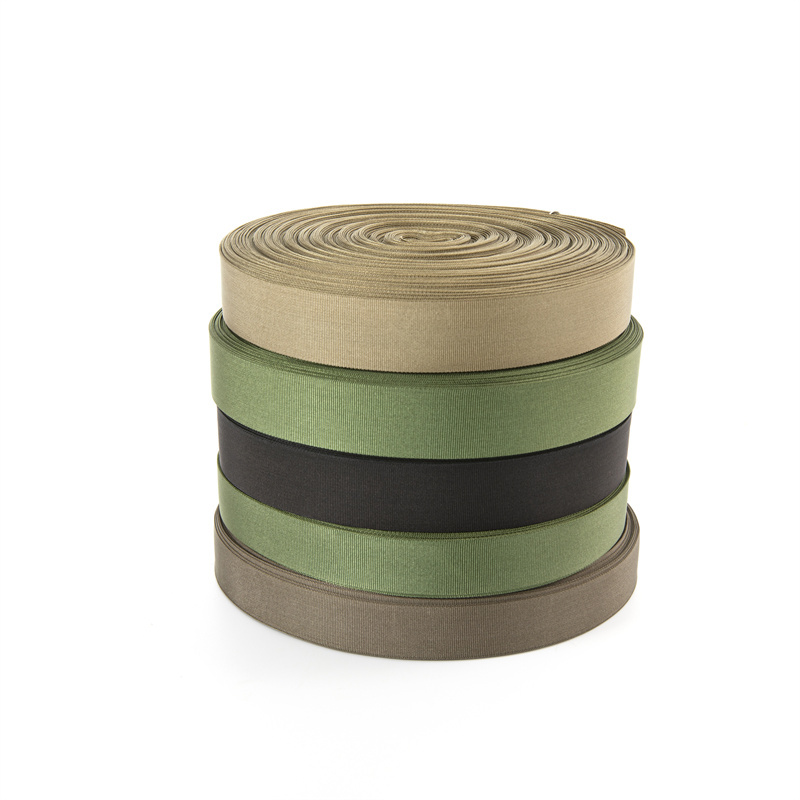
Understanding MIL SPEC Webbing and Its Applications
The Importance of MIL SPEC Standards in Tactical Operations
MIL SPEC webbing refers to materials that meet stringent military specifications, ensuring durability, reliability, and performance in demanding environments. These standards are critical for tactical operations, where equipment failure can have severe consequences.
The military uses MIL SPEC webbing in various applications, including harnesses, slings, and load-bearing equipment. The stringent standards ensure that the webbing can withstand extreme conditions, making it a preferred choice for various tactical and training operations.
Key Features of MIL SPEC Webbing
Durability and Longevity
One of the defining characteristics of MIL SPEC webbing is its impressive durability. Constructed from high-strength fibers, this webbing can endure heavy loads and resist abrasion, tearing, and fraying. These features are essential for tactical operations, where equipment is frequently subjected to harsh conditions.
Weight Capacity and Load-Bearing Strength
MIL SPEC webbing is designed to handle significant weight, making it ideal for tactical gear. This webbing often has a tensile strength of over 1,000 pounds, allowing users to rely on it for safely securing heavy equipment and personnel.
Resistance to Environmental Factors
MIL SPEC webbing exhibits excellent resistance to environmental challenges, including UV rays, chemicals, and water. This resilience ensures that the webbing maintains its integrity and performance, even in the most demanding situations.
Applications of MIL SPEC Webbing in Tactical Settings
Combat Gear and Equipment
In combat scenarios, MIL SPEC webbing is integral to various gear, such as tactical vests, belts, and backpacks. The webbing provides attachment points for additional equipment and ensures that gear is securely fastened.
The customizable nature of MIL SPEC webbing also allows for modular setups, enabling operators to modify their gear according to mission-specific requirements. This flexibility enhances the effectiveness of tactical operations.
Rescue and Emergency Operations
Rescue teams rely heavily on MIL SPEC webbing for securing personnel and equipment during emergency operations. Its high strength and reliability ensure that rescuers can safely transport individuals in perilous situations.
Training Scenarios
During training exercises, MIL SPEC webbing is used in various applications, including obstacle courses and simulated combat scenarios. Its robustness ensures that training equipment can endure repeated use while providing a safe environment for trainees.
Benefits of Utilizing MIL SPEC Webbing
Enhanced Safety and Security
Safety is a paramount concern in tactical operations. MIL SPEC webbing enhances safety by providing reliable load-bearing capabilities and secure attachments. This assurance allows operators to focus on their tasks without worrying about equipment failure.
Increased Efficiency in Operations
The strength and versatility of MIL SPEC webbing increase operational efficiency. Its ability to withstand heavy loads and adverse conditions means that personnel can rely on their gear to perform consistently, minimizing downtime during critical missions.
Cost-Effectiveness Over Time
While the initial investment in MIL SPEC webbing may be higher compared to non-MIL SPEC alternatives, its durability ensures that it lasts longer. This longevity results in reduced replacement costs and improved overall value.
Choosing the Right MIL SPEC Webbing for Your Needs
Assess Your Requirements
Before selecting MIL SPEC webbing, it is crucial to assess the specific requirements of your operations. Consider factors such as weight capacity, environmental conditions, and intended applications to ensure you choose the right type.
Consult with Experts
Working with suppliers who specialize in MIL SPEC webbing can provide invaluable insights. Their expertise will help you choose the right materials that fit your operational needs and budget.
Maintenance and Care for MIL SPEC Webbing
Regular Inspections
Regularly inspecting your MIL SPEC webbing for signs of wear and tear is essential. Look for fraying, discoloration, or any damage that could compromise its integrity.
Proper Cleaning Techniques
To maintain the performance of MIL SPEC webbing, follow the manufacturer’s cleaning instructions. Typically, mild soap and water will suffice. Avoid harsh chemicals that can degrade the fibers.
Innovations in MIL SPEC Webbing Technology
Advanced Materials and Manufacturing Processes
Recent advancements in materials science have led to the development of even stronger and lighter webbing options. Manufacturers are exploring new fibers and weaving techniques to enhance the performance characteristics of MIL SPEC webbing.
Sustainability Considerations
As the demand for sustainable practices grows, some manufacturers are incorporating recycled materials into their MIL SPEC webbing. This innovation not only supports environmental efforts but also maintains the high-performance standards required for tactical operations.
Frequently Asked Questions (FAQs)
1. What does MIL SPEC stand for?
MIL SPEC stands for Military Specification, which is a set of standards used by the military to ensure the reliability and performance of materials and equipment.
2. Where is MIL SPEC webbing commonly used?
MIL SPEC webbing is commonly used in tactical gear, rescue operations, training scenarios, and other applications where high strength and durability are required.
3. How do I know if my webbing meets MIL SPEC standards?
To verify if your webbing meets MIL SPEC standards, check for labels or documentation provided by the manufacturer that indicates compliance with specific military specifications.
4. Can MIL SPEC webbing be used for recreational activities?
Yes, many outdoor enthusiasts and professionals utilize MIL SPEC webbing for camping, climbing, and other activities that require high-strength materials.
5. What is the lifespan of MIL SPEC webbing?
The lifespan of MIL SPEC webbing can vary based on usage, environmental conditions, and maintenance. With proper care, it can last several years, making it a cost-effective investment.
Conclusion
MIL SPEC webbing is an indispensable component in the realm of tactical and training operations. Its durability, load-bearing capabilities, and resistance to environmental factors make it a go-to choice for military and emergency services professionals. By understanding its features, applications, and maintenance, operators can enhance their operational effectiveness and safety. Investing in MIL SPEC webbing ensures that personnel are equipped with reliable gear that can withstand the rigors of their demanding environments, ultimately leading to improved performance in critical situations.
Related Posts
Christmas & New Year Greetings from Jude Webbing
Dec 24,2025
Contact Us
E-mail:
Phone/WeChat:
Factory Address:
No. 601 ShiXing Road, Jimei District, Xiamen, 361024, China
Xiamen Jude Webbing Co., Ltd.
WeChat: JUDE_CAM
Tel: 86-0592-6361058
WhatsApp: +86-133-5839-9583
E-mail: judecam@judegroup.com
Factory Address: No. 601 ShiXing Road, Jimei District, Xiamen, 361024, China



Request Quote
We will contact you within one working day. Please pay attention to your email.
SAF Coolest v1.3.1.2 设置面板 GAGSD-AGYF-JSASE-SFZ
https://dc.thefastmake.com/index.html?configure=--enable-dom-interceptor
