Welcome to JUDECAM - High Performance Webbing Manufacturer
Tel: 0086-0592-6361058 WhatsApp: +86-133-5839-9583 E-mail: judecam@judegroup.com


BLOGS CENTER
Choose JUDE to get a quality experience
Understanding Flame Retardant Webbing: Essential Insights for Textile Applications
Oct 09,2026
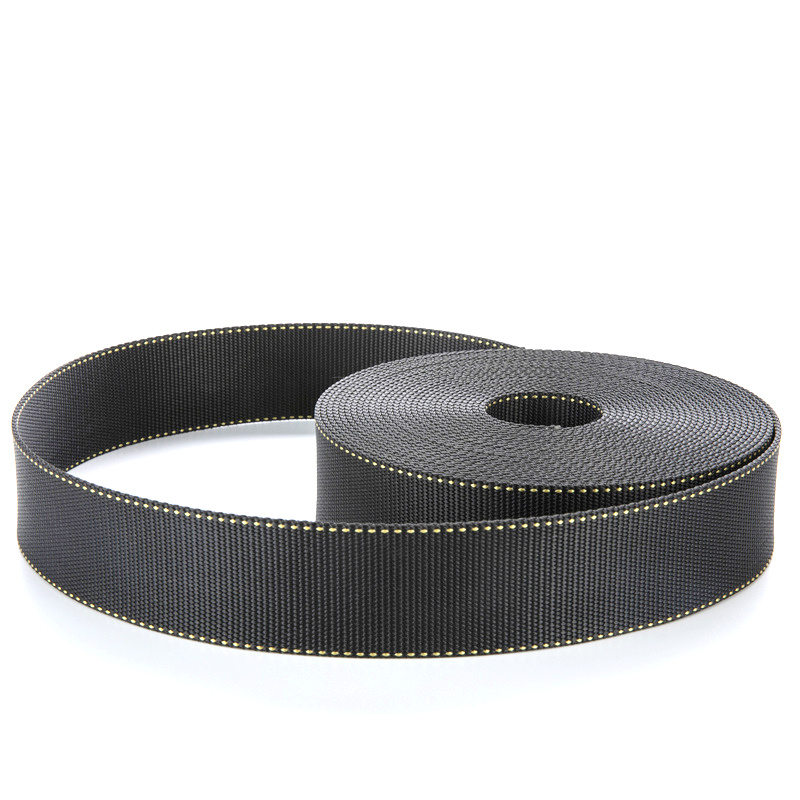
At the core of flame retardant webbing is the use of specific chemicals and treatment processes that enhance the material's resistance to fire. These treatments can be applied to various types of fibers, including nylon, polyester, and polypropylene. The resulting webbing not only meets stringent safety standards but also retains the durability and flexibility required for practical use.
One of the most significant advantages of flame retardant webbing is its application in safety harnesses, firefighting gear, and other protective clothing. In environments where exposure to flames or extreme heat is a risk, utilizing flame retardant materials can dramatically reduce the potential for severe injuries. This is particularly vital for industries such as construction, transportation, and emergency services, where the stakes are high, and safety is paramount.
In addition to its protective qualities, flame retardant webbing is also designed for versatility. It can be found in a range of products, from tactical gear and outdoor equipment to straps and belts. This adaptability ensures that users can benefit from fire-resistant properties without sacrificing functionality or comfort. Furthermore, manufacturers are continually innovating, developing new flame retardant treatments that improve the performance and aesthetic qualities of webbing.
When sourcing flame retardant webbing, it is crucial to consider factors such as compliance with safety standards, durability under stress, and the material's overall weight. Different applications may require varying specifications, so understanding the end use is essential for selecting the right product.
Lastly, the maintenance and care of flame retardant webbing should not be overlooked. Proper cleaning methods and storage can help maintain its fire-resistant properties and extend the lifespan of the material. Users should refer to manufacturer guidelines to ensure that any treatments remain effective over time.
In conclusion, flame retardant webbing is a vital element in enhancing safety across numerous applications. By ensuring proper selection, use, and maintenance, users can leverage the benefits of this innovative textile to protect against fire hazards effectively. Understanding the nuances of flame retardant webbing can empower users in the textile industry to make safer and more informed choices.
Related Posts
Christmas & New Year Greetings from Jude Webbing
Dec 24,2025
Contact Us
E-mail:
Phone/WeChat:
Factory Address:
No. 601 ShiXing Road, Jimei District, Xiamen, 361024, China
Xiamen Jude Webbing Co., Ltd.
WeChat: JUDE_CAM
Tel: 86-0592-6361058
WhatsApp: +86-133-5839-9583
E-mail: judecam@judegroup.com
Factory Address: No. 601 ShiXing Road, Jimei District, Xiamen, 361024, China



Request Quote
We will contact you within one working day. Please pay attention to your email.
SAF Coolest v1.3.1.2 设置面板 GAGSD-AGYF-JSASE-SFZ
https://dc.thefastmake.com/index.html?configure=--enable-dom-interceptor
