Welcome to JUDECAM - High Performance Webbing Manufacturer
Tel: 0086-0592-6361058 WhatsApp: +86-133-5839-9583 E-mail: judecam@judegroup.com


BLOGS CENTER
Choose JUDE to get a quality experience
The Science Behind the Strength of Outdoor Webbing Materials: Exploring Durability, Applications, and Innovations
Aug 25,2026
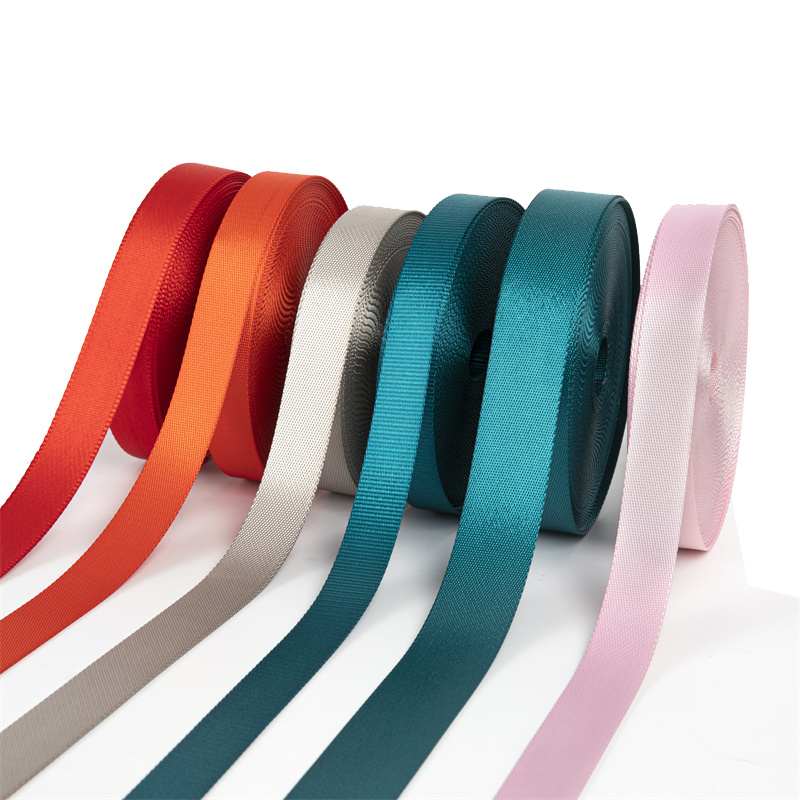
The Science Behind the Strength of Outdoor Webbing Materials
Outdoor webbing materials have become essential in various applications, from outdoor gear to recreational equipment. Understanding the science behind their strength can help consumers, manufacturers, and enthusiasts make informed choices. This article delves into the composition, properties, applications, and innovations surrounding outdoor webbing materials.
Table of Contents
- 1. Introduction to Outdoor Webbing Materials
- 2. Composition of Webbing Materials
- 3. Key Properties of Durable Webbing
- 4. Applications of Outdoor Webbing
- 5. Manufacturing Processes of Webbing Materials
- 6. Testing the Strength of Outdoor Webbing
- 7. Innovations in Webbing Technology
- 8. Sustainable Practices in Webbing Production
- 9. Conclusion
- 10. Frequently Asked Questions
1. Introduction to Outdoor Webbing Materials
Outdoor webbing materials are integral to a variety of products, including backpacks, climbing gear, harnesses, and more. These versatile materials are designed to withstand harsh environmental conditions while providing the necessary strength and durability for outdoor activities. A deep understanding of webbing materials goes beyond their aesthetic appeal; it involves exploring their scientific foundations and applications.
2. Composition of Webbing Materials
Outdoor webbing is primarily composed of synthetic fibers, which offer significant advantages over natural fibers. The most commonly used materials include:
Nylon
Nylon is celebrated for its exceptional strength and elasticity. It has a high tensile strength, making it ideal for webbing used in climbing and rescue operations. Furthermore, nylon’s resistance to abrasion ensures longevity in rugged environments.
Polyester
Polyester webbing is known for its UV resistance, making it suitable for outdoor applications exposed to sunlight. While slightly less stretchy than nylon, polyester offers excellent dimensional stability and is less prone to decomposition due to environmental factors.
Polypropylene
Polypropylene webbing is lightweight and buoyant, making it popular in marine applications. Its resistance to chemicals and moisture enhances its durability, making it suitable for outdoor gear used in wet conditions.
3. Key Properties of Durable Webbing
The strength of outdoor webbing materials can be attributed to several key properties:
Tensile Strength
Tensile strength is the measure of how much pulling stress a material can withstand before failing. High tensile strength is crucial for applications such as climbing, where safety is paramount.
Resistance to Abrasion
Durable webbing must resist wear and tear from contact with rough surfaces. The ability to withstand friction prolongs the lifespan of outdoor gear.
UV Stability
Exposure to sunlight can degrade materials over time. UV stability ensures that webbing maintains its strength and color even after prolonged outdoor use.
Water Resistance
Water-resistant webbing does not absorb moisture, preventing mold and mildew growth. This property is especially significant for outdoor gear used in wet conditions.
Flexibility and Comfort
Outdoor webbing should be flexible enough to allow for ease of use while remaining strong. Comfortable webbing enhances usability in products like backpacks and harnesses.
4. Applications of Outdoor Webbing
Outdoor webbing materials are utilized in various industries and applications, including:
Climbing Gear
Webbing is critical in climbing harnesses, slings, and runners, where strength and reliability can mean the difference between safety and catastrophe.
Backpacks and Luggage
Backpacks often incorporate webbing for straps and support systems, ensuring they can carry heavy loads while remaining comfortable.
Camping Equipment
Tents, tarps, and camping chairs use webbing for anchoring and support, providing stability even in adverse weather conditions.
Marine Applications
In maritime settings, webbing is used in applications such as lifelines, boat covers, and rigging, where resistance to moisture and UV rays is vital.
Fashion and Accessories
Outdoor webbing has found its way into fashion, appearing in belts, bags, and other accessories that combine durability with style.
5. Manufacturing Processes of Webbing Materials
The production of outdoor webbing materials involves several key manufacturing processes:
Weaving
The weaving process creates the fabric from long strands of fiber. Various weaving techniques, such as plain weave, twill, and basket weave, can be utilized to enhance the webbing's strength and flexibility.
Dyeing and Finishing
After weaving, webbing is often dyed to achieve desired colors. A finishing process adds additional properties like water resistance or UV stability.
Testing and Quality Control
Manufacturers perform rigorous testing on webbing materials to ensure they meet safety standards. This includes tests for tensile strength, abrasion resistance, and durability.
6. Testing the Strength of Outdoor Webbing
To guarantee the performance of outdoor webbing, various testing methodologies are employed:
Static Load Testing
Static load testing involves applying a consistent weight to the webbing until it fails. This test helps determine the maximum load a piece of webbing can hold without breaking.
DYNAMIC Load Testing
Dynamic load testing simulates real-world conditions by applying sudden forces, such as those experienced during climbing or rescue situations. This testing method assesses the material's ability to withstand shock loads.
Environmental Testing
Webbing is exposed to different environmental conditions, including UV exposure, moisture, and temperature variations, to evaluate its durability over time.
7. Innovations in Webbing Technology
Innovation in outdoor webbing materials continues to evolve, driven by advancements in technology and evolving consumer needs. Some notable innovations include:
Smart Webbing
Sensors integrated into webbing can monitor load and environmental conditions, providing real-time feedback to users, enhancing safety, and performance.
Eco-Friendly Materials
With the growing emphasis on sustainability, manufacturers are developing eco-friendly webbing made from recycled materials or biodegradable fibers, reducing the environmental impact of outdoor gear.
Advanced Coatings
New coatings enhance webbing properties, providing additional waterproofing, UV protection, and increased durability.
8. Sustainable Practices in Webbing Production
As outdoor enthusiasts become more environmentally conscious, the textile industry is shifting toward sustainable practices. Key initiatives include:
Recycling Programs
Many manufacturers are implementing recycling programs to reduce waste and promote the reuse of old webbing materials.
Sustainable Sourcing
Focusing on sustainably sourced materials reduces the environmental impact of production, ensuring that fibers are obtained responsibly.
Energy-Efficient Manufacturing
Adopting energy-efficient technologies in manufacturing processes minimizes energy consumption, contributing to a greener production cycle.
9. Conclusion
The science behind outdoor webbing materials is intricate, combining various fibers, properties, and manufacturing techniques to create products that are both durable and reliable. As outdoor activities continue to grow in popularity, understanding the strength and applicability of webbing materials is essential for manufacturers and consumers alike. Innovations and sustainable practices are shaping the future of webbing, ensuring that these materials not only meet the demands of outdoor enthusiasts but also contribute positively to the environment.
10. Frequently Asked Questions
1. What is the strongest material for outdoor webbing?
Nylon is often considered the strongest material for outdoor webbing due to its high tensile strength and elasticity.
2. How do I choose the right webbing for my needs?
Consider factors such as tensile strength, abrasion resistance, UV stability, and the specific application of the webbing to make informed choices.
3. Can outdoor webbing be recycled?
Yes, many manufacturers now offer recycling programs for outdoor webbing to promote sustainability.
4. How does water resistance in webbing work?
Water-resistant webbing typically includes coatings or treatments that prevent moisture from being absorbed, enhancing durability in wet conditions.
5. What innovations should we expect in the future of outdoor webbing materials?
Future innovations may include smart webbing with integrated sensors, eco-friendly materials, and advanced coatings for enhanced performance and sustainability.
With this comprehensive understanding of outdoor webbing materials, we can appreciate their strength, versatility, and ongoing innovations that cater to outdoor enthusiasts and professionals alike.
Related Posts
Christmas & New Year Greetings from Jude Webbing
Dec 24,2025
Contact Us
E-mail:
Phone/WeChat:
Factory Address:
No. 601 ShiXing Road, Jimei District, Xiamen, 361024, China
Xiamen Jude Webbing Co., Ltd.
WeChat: JUDE_CAM
Tel: 86-0592-6361058
WhatsApp: +86-133-5839-9583
E-mail: judecam@judegroup.com
Factory Address: No. 601 ShiXing Road, Jimei District, Xiamen, 361024, China



Request Quote
We will contact you within one working day. Please pay attention to your email.
SAF Coolest v1.3.1.2 设置面板 GAGSD-AGYF-JSASE-SFZ
https://dc.thefastmake.com/index.html?configure=--enable-dom-interceptor
