Welcome to JUDECAM - High Performance Webbing Manufacturer
Tel: 0086-0592-6361058 WhatsApp: +86-133-5839-9583 E-mail: judecam@judegroup.com


BLOGS CENTER
Choose JUDE to get a quality experience
Portable Solutions: The Advantages of Lightweight Outdoor Webbing for Adventurers
Apr 14,2026
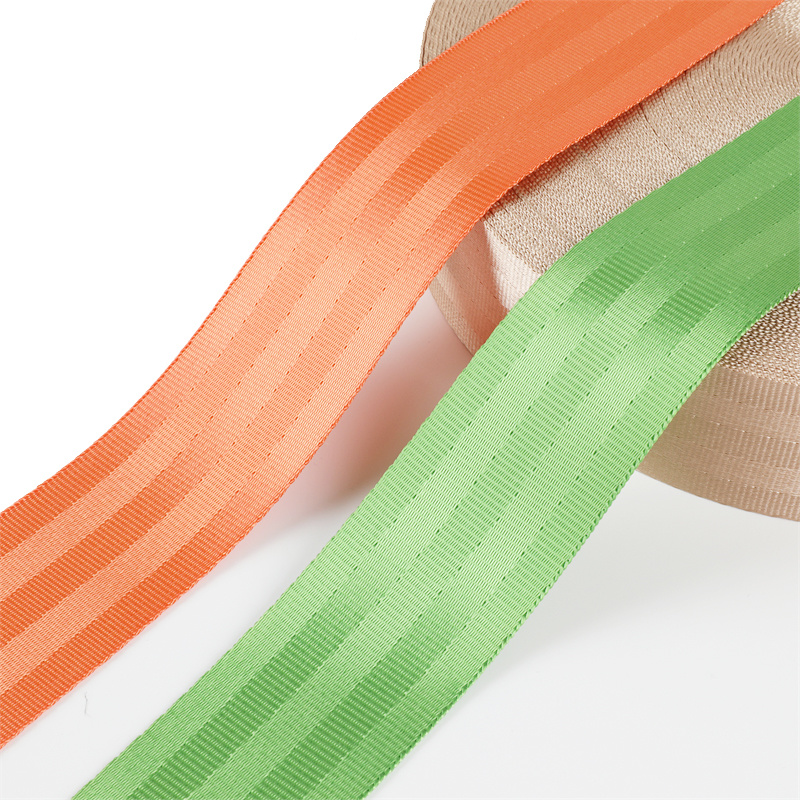
Portable Solutions: The Advantages of Lightweight Outdoor Webbing for Adventurers
Outdoor enthusiasts know that having the right gear can make or break an adventure. One of the most underestimated pieces of equipment is lightweight outdoor webbing. This article delves into the numerous benefits of lightweight outdoor webbing, exploring its versatility, durability, and essential role in enhancing outdoor activities.
Table of Contents
1. Understanding Lightweight Outdoor Webbing
2. Key Benefits of Lightweight Outdoor Webbing
2.1 Durability and Strength
2.2 Portability and Convenience
2.3 Versatility in Usage
3. Applications of Lightweight Outdoor Webbing
3.1 Camping and Hiking
3.2 Climbing and Mountaineering
3.3 DIY Projects and Repairs
4. Maintenance Tips for Outdoor Webbing
5. Choosing the Right Webbing for Your Needs
6. Safety Considerations When Using Outdoor Webbing
7. Frequently Asked Questions (FAQs)
8. Conclusion
1. Understanding Lightweight Outdoor Webbing
Lightweight outdoor webbing is a high-strength, durable material made from synthetic fibers such as nylon or polyester. Designed for a variety of uses, it typically comes in various widths and strengths, making it suitable for different applications. This webbing is not only lightweight, making it easy to carry on your adventures, but it also offers excellent resistance to environmental factors like moisture and UV rays.
2. Key Benefits of Lightweight Outdoor Webbing
2.1 Durability and Strength
One of the primary advantages of lightweight outdoor webbing is its incredible durability. Unlike natural fibers, synthetic fibers used in webbing are designed to withstand wear and tear. They exhibit high tensile strength, meaning they can handle substantial loads without breaking. This feature is particularly beneficial for activities such as climbing or camping, where safety is paramount.
2.2 Portability and Convenience
The lightweight nature of this webbing makes it a convenient choice for outdoor enthusiasts. Whether you are backpacking through the wilderness or setting up camp, the compact size and minimal weight of outdoor webbing allow you to pack efficiently. This portability ensures that you can bring along essential gear without being bogged down by unnecessary bulk.
2.3 Versatility in Usage
Lightweight outdoor webbing is incredibly versatile. It can be used for a variety of purposes, from securing equipment to creating makeshift shelters. Its flexibility makes it an ideal choice for adventurers who need reliable gear that can adapt to different situations.
3. Applications of Lightweight Outdoor Webbing
3.1 Camping and Hiking
When camping or hiking, lightweight outdoor webbing serves multiple purposes. It can be used to secure tents, create guy lines, or even fashion a clothesline for drying gear. This versatility means that it is invaluable for any outdoor adventure.
3.2 Climbing and Mountaineering
In climbing and mountaineering, lightweight webbing is used for slings and anchors. Its strength ensures safety during climbs, while its lightweight design allows climbers to carry it without adding significant weight to their gear.
3.3 DIY Projects and Repairs
In addition to outdoor activities, lightweight webbing can be employed in various DIY projects and repairs. Whether you need to fix a broken strap or create a custom solution, the adaptability of outdoor webbing makes it an excellent resource for crafting innovative solutions.
4. Maintenance Tips for Outdoor Webbing
To ensure the longevity of your lightweight outdoor webbing, proper maintenance is crucial. Here are a few tips:
- **Cleaning:** Regularly clean your webbing with mild soap and water to remove dirt and debris. Avoid using harsh chemicals that may degrade the fibers.
- **Drying:** After getting wet, allow your webbing to air dry completely before storing it. This practice prevents mold and mildew growth.
- **Storage:** Store your webbing in a cool, dry place, away from direct sunlight to protect it from UV damage.
5. Choosing the Right Webbing for Your Needs
When selecting lightweight outdoor webbing, consider the following factors:
- **Width:** The width of the webbing affects its strength and application. Wider webbing can handle heavier loads but may be bulkier to carry.
- **Material:** Depending on your intended use, choose webbing made from nylon for strength or polyester for UV resistance.
- **Strength Rating:** Always check the strength rating to ensure it meets your specific needs, especially for climbing or heavy-duty applications.
6. Safety Considerations When Using Outdoor Webbing
Safety should always be a priority when using lightweight outdoor webbing. Here are some important points to consider:
- **Inspect Regularly:** Before each use, inspect your webbing for signs of wear and damage. Fraying, cuts, or discoloration can indicate that it is no longer safe to use.
- **Load Limits:** Always adhere to the manufacturer's load limits. Exceeding these limits can lead to catastrophic failure.
- **Proper Usage:** Use the webbing for its intended purpose. Misusing it can compromise safety.
7. Frequently Asked Questions (FAQs)
1. What is lightweight outdoor webbing made from?
Lightweight outdoor webbing is typically made from synthetic fibers such as nylon or polyester, which provide strength and durability.
2. Can I use outdoor webbing for climbing?
Yes, but it's essential to ensure that the webbing has a suitable strength rating and is designed for climbing applications.
3. How do I clean my webbing?
You can clean your webbing with mild soap and water. Avoid harsh chemicals that could damage the fibers.
4. How should I store my webbing?
Store your webbing in a cool, dry place away from direct sunlight to prevent UV damage.
5. What should I look for when purchasing outdoor webbing?
Consider factors such as width, material, and strength rating to ensure the webbing meets your specific needs.
8. Conclusion
Lightweight outdoor webbing is an indispensable asset for any outdoor enthusiast. Its durability, portability, and versatility make it a must-have for a variety of applications, from camping and climbing to DIY projects. By understanding its benefits and proper maintenance, you can ensure that this innovative gear enhances your adventures while keeping you safe. Whether you are a seasoned adventurer or a casual weekend warrior, investing in quality lightweight outdoor webbing will undoubtedly elevate your outdoor experiences.
Related Posts
Christmas & New Year Greetings from Jude Webbing
Dec 24,2025
Contact Us
E-mail:
Phone/WeChat:
Factory Address:
No. 601 ShiXing Road, Jimei District, Xiamen, 361024, China
Xiamen Jude Webbing Co., Ltd.
WeChat: JUDE_CAM
Tel: 86-0592-6361058
WhatsApp: +86-133-5839-9583
E-mail: judecam@judegroup.com
Factory Address: No. 601 ShiXing Road, Jimei District, Xiamen, 361024, China



Request Quote
We will contact you within one working day. Please pay attention to your email.
SAF Coolest v1.3.1.2 设置面板 GAGSD-AGYF-JSASE-SFZ
https://dc.thefastmake.com/index.html?configure=--enable-dom-interceptor
