Welcome to JUDECAM - High Performance Webbing Manufacturer
Tel: 0086-0592-6361058 WhatsApp: +86-133-5839-9583 E-mail: judecam@judegroup.com


BLOGS CENTER
Choose JUDE to get a quality experience
Outdoor Webbing: How to Choose the Right Material for Your Needs
Feb 23,2026
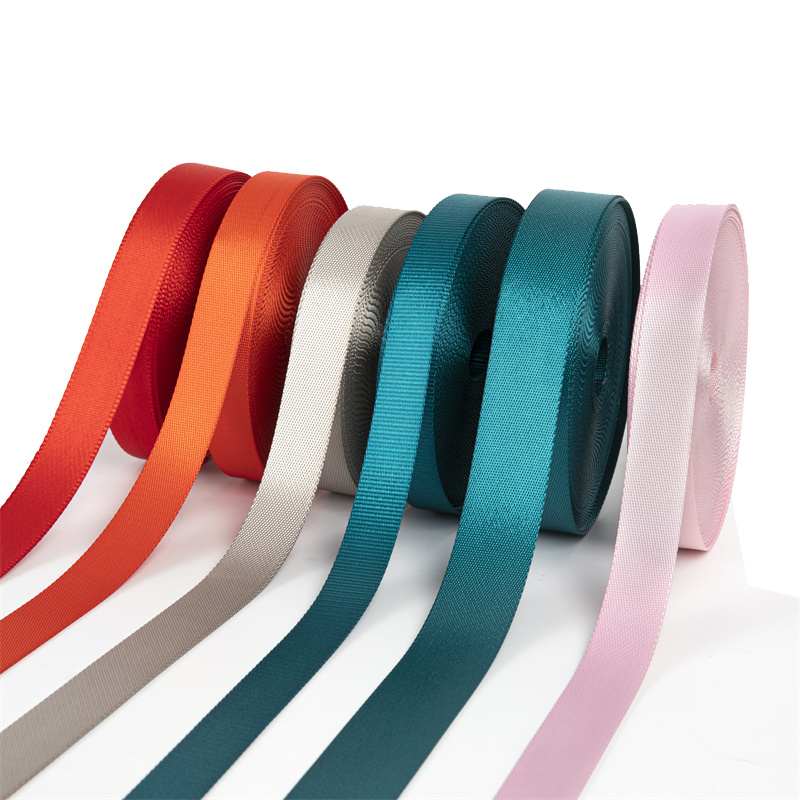
Outdoor Webbing: How to Choose the Right Material for Your Needs
Table of Contents
1. Understanding Outdoor Webbing and Its Importance
2. Types of Outdoor Webbing Materials
2.1 Nylon Webbing
2.2 Polyester Webbing
2.3 Polypropylene Webbing
2.4 Cotton Webbing
3. Key Factors to Consider When Choosing Webbing
3.1 Strength and Durability
3.2 UV Resistance
3.3 Weather Resistance
3.4 Stretch and Flexibility
3.5 Weight and Size
4. Applications of Outdoor Webbing
4.1 Camping and Hiking
4.2 Climbing Gear
4.3 Outdoor Furniture and Decoration
4.5 Emergency and Survival Kits
5. How to Maintain Your Outdoor Webbing
6. Frequently Asked Questions (FAQs)
7. Conclusion
1. Understanding Outdoor Webbing and Its Importance
Outdoor webbing is an essential component in a variety of outdoor activities, providing strength, versatility, and durability. It has extensive applications ranging from camping gear to climbing equipment, making it a crucial material for outdoor enthusiasts. Selecting the appropriate webbing can enhance safety, functionality, and overall experience in outdoor pursuits.
2. Types of Outdoor Webbing Materials
When it comes to outdoor webbing, the material you choose significantly influences its performance and durability. Here are the most common types:
2.1 Nylon Webbing
Nylon webbing is popular for its high tensile strength and excellent elasticity. It is resistant to abrasion and has a good capacity to absorb shock, making it ideal for climbing and rescue applications. However, it tends to degrade with prolonged exposure to ultraviolet (UV) light, which can limit its longevity if used outdoors without protection.
2.2 Polyester Webbing
Polyester webbing is known for its resistance to UV fading and weathering, making it an excellent choice for outdoor applications. It has a lower stretch compared to nylon, providing more stable support under load. This makes polyester ideal for applications like straps and tie-downs in outdoor furniture or camping gear.
2.3 Polypropylene Webbing
Polypropylene webbing is lightweight and water-resistant, which makes it suitable for marine applications. Although it does not have the same strength as nylon or polyester, its resistance to mildew and rot makes it a preferred choice for outdoor use where moisture is a concern.
2.4 Cotton Webbing
While less common for robust outdoor applications, cotton webbing is breathable and environmentally friendly. It is typically used for decorative purposes or in situations where comfort is a priority, such as straps for backpacks or outdoor furniture.
3. Key Factors to Consider When Choosing Webbing
Selecting the right outdoor webbing requires careful consideration of several factors. Here are the most critical aspects to keep in mind:
3.1 Strength and Durability
The strength of the webbing is paramount, especially for safety-critical applications like climbing or rescue scenarios. Check the breaking strength and working load limit to ensure it meets your needs.
3.2 UV Resistance
Webbing exposed to sunlight can deteriorate over time. Choose webbing with good UV resistance, especially for prolonged outdoor use. Polyester is generally more UV resistant than nylon.
3.3 Weather Resistance
Consider the environmental conditions the webbing will face. Webbing that is water-resistant can prevent mold and mildew, which is crucial in humid environments.
3.4 Stretch and Flexibility
Different applications require different levels of stretch. For example, climbing webbing should have minimal stretch to prevent falls, while tie-downs may require some flexibility.
3.5 Weight and Size
The weight of the webbing can influence your overall load, especially in backpacking or climbing. Ensure you choose a webbing that balances strength with weight, making it practical for your activities.
4. Applications of Outdoor Webbing
Outdoor webbing finds its place in various applications. Understanding these can help you select the right type for your activities.
4.1 Camping and Hiking
Webbing is essential for tent straps, hammocks, and gear organization. High-strength, UV-resistant webbing can ensure your gear remains secure and functional.
4.2 Climbing Gear
In climbing, webbing is used for slings, harnesses, and anchors. The emphasis should be on strength and minimal stretch, making nylon or high-quality polyester ideal choices.
4.3 Outdoor Furniture and Decoration
Webbing is often used in the construction of outdoor furniture like chairs and loungers. Durability and weather resistance are crucial for long-lasting use.
4.4 Emergency and Survival Kits
Webbing is an invaluable resource in survival kits, offering versatility in securing gear, constructing shelters, or creating makeshift first aid supplies.
5. How to Maintain Your Outdoor Webbing
To ensure your outdoor webbing lasts, regular maintenance is key. Here are some tips:
- **Clean Regularly**: Wash your webbing with mild soap and water to remove dirt and debris. Avoid using harsh chemicals that can degrade the fibers.
- **Dry Properly**: Always dry your webbing completely before storing it to prevent mold and mildew.
- **Store Properly**: Keep webbing out of direct sunlight when not in use to protect it from UV damage. Consider storing it in a cool, dry place.
6. Frequently Asked Questions (FAQs)
1. What is the strongest type of outdoor webbing?
Nylon webbing is generally considered the strongest, but the choice depends on the specific application and conditions faced.
2. How do I know what width webbing to choose?
The width of the webbing should correlate with its intended use; wider webbing distributes weight more evenly, which is better for heavy loads.
3. Can I use polypropylene webbing for climbing?
Polypropylene webbing is not recommended for climbing due to its lower strength and durability compared to nylon or polyester.
4. How can I test the strength of my webbing?
Conduct a weight test within the safe working load limit to ensure the webbing can handle anticipated loads without failure.
5. Is it necessary to replace my webbing regularly?
Yes, inspect webbing regularly for signs of wear and replace it when necessary to ensure safety, especially for climbing and load-bearing applications.
7. Conclusion
Choosing the right outdoor webbing is crucial for both safety and performance in various outdoor activities. By understanding the different materials available and their specific applications, you can make an informed decision that meets your needs. Whether you need webbing for climbing, camping, or decorative purposes, careful consideration of strength, durability, and environmental resistance will ensure you select the best option for your outdoor adventures.
PREVIOUS:
Related Posts
Christmas & New Year Greetings from Jude Webbing
Dec 24,2025
Contact Us
E-mail:
Phone/WeChat:
Factory Address:
No. 601 ShiXing Road, Jimei District, Xiamen, 361024, China
Xiamen Jude Webbing Co., Ltd.
WeChat: JUDE_CAM
Tel: 86-0592-6361058
WhatsApp: +86-133-5839-9583
E-mail: judecam@judegroup.com
Factory Address: No. 601 ShiXing Road, Jimei District, Xiamen, 361024, China



Request Quote
We will contact you within one working day. Please pay attention to your email.
SAF Coolest v1.3.1.2 设置面板 GAGSD-AGYF-JSASE-SFZ
https://dc.thefastmake.com/index.html?configure=--enable-dom-interceptor
