Welcome to JUDECAM - High Performance Webbing Manufacturer
Tel: 0086-0592-6361058 WhatsApp: +86-133-5839-9583 E-mail: judecam@judegroup.com


BLOGS CENTER
Choose JUDE to get a quality experience
Why Outdoor Webbing is a Game-Changer for Outdoor Equipment
Feb 13,2026
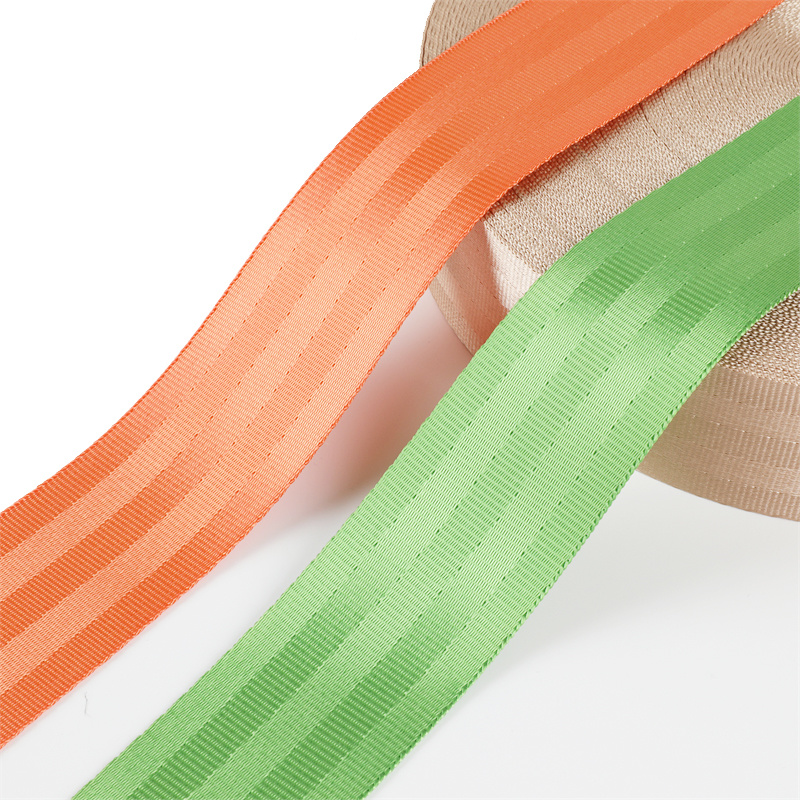
Why Outdoor Webbing is a Game-Changer for Outdoor Equipment
Table of Contents
- Introduction to Outdoor Webbing
- What is Outdoor Webbing?
- Benefits of Outdoor Webbing
- Durability: Built to Last
- Lightweight Yet Strong
- Versatility in Applications
- Safety Features of Outdoor Webbing
- Types of Outdoor Webbing
- Applications of Outdoor Webbing in Outdoor Equipment
- How to Choose the Best Outdoor Webbing
- Care and Maintenance of Outdoor Webbing
- FAQs About Outdoor Webbing
- Conclusion
Introduction to Outdoor Webbing
In the realm of outdoor equipment, **outdoor webbing** emerges as a pivotal material that redefines what adventurers have come to expect from their gear. From **hiking** to **climbing**, the applications of webbing are extensive and its advantages undeniable. This article delves into the transformative role of outdoor webbing, emphasizing its benefits, types, applications, and maintenance.
What is Outdoor Webbing?
Outdoor webbing is a strong, flat fabric made from a variety of materials, including **nylon**, **polyester**, and **polypropylene**. This material is known for its exceptional tensile strength, durability, and weather resistance. Webbing is typically used in applications where strong, lightweight straps are necessary, making it ideal for **outdoor** and **adventurous** activities.
Benefits of Outdoor Webbing
The advantages of outdoor webbing are vast and varied, enhancing the functionality of equipment used in outdoor activities. Below are some key benefits:
Durability: Built to Last
One of the standout features of outdoor webbing is its **durability**. Constructed to withstand harsh environmental conditions, webbing can resist abrasions, UV rays, and moisture. This resilience makes it an ideal choice for gear that might encounter rough terrain or inclement weather.
Lightweight Yet Strong
Despite its strength, outdoor webbing is surprisingly **lightweight**. This characteristic is crucial for outdoor enthusiasts who prioritize packing light while ensuring their gear can withstand strenuous activities. Outdoor webbing provides the perfect balance of strength and weight, making it a preferred choice among adventurers.
Versatility in Applications
Outdoor webbing boasts an impressive range of applications. From **backpacks** and **tents** to **harnesses** and **straps** for securing gear, its versatility caters to a wide variety of outdoor equipment. This adaptability makes it a staple for manufacturers and enthusiasts alike.
Safety Features of Outdoor Webbing
Safety is paramount in outdoor activities, and outdoor webbing plays a vital role in this aspect. High-quality webbing is designed to endure significant load-bearing stress, which is essential for climbing gear and safety harnesses. Utilizing the right webbing can prevent accidents and ensure a secure adventure experience.
Types of Outdoor Webbing
Understanding the various types of outdoor webbing is crucial for selecting the right material for specific applications:
- **Nylon Webbing**: Known for its strength and elasticity, nylon webbing is ideal for applications requiring stretch, such as climbing gear and backpacks.
- **Polyester Webbing**: This type is less stretchy than nylon and is highly resistant to UV rays and moisture, making it perfect for outdoor gear exposed to the elements.
- **Polypropylene Webbing**: Lightweight and water-resistant, polypropylene webbing is often used in boating and marine applications.
Applications of Outdoor Webbing in Outdoor Equipment
Outdoor webbing is integral to countless applications across various outdoor activities. Below, we explore its significant uses in different types of equipment.
Hiking and Camping Gear
In hiking and camping, outdoor webbing is commonly found in backpacks, tents, and straps. High-quality webbing straps are used to secure items, attach gear, and provide support in various configurations. Its lightweight nature allows hikers to carry essential gear without being weighed down.
Climbing Gear Enhancements
Climbing relies heavily on trusted materials, and outdoor webbing is no exception. It is often used in harnesses, slings, and anchors, providing climbers with the **safety** and **reliability** needed during ascents. The tensile strength of webbing ensures that climbers can trust their gear, reducing the risk of accidents.
Boating Equipment Innovations
For boating enthusiasts, outdoor webbing enhances equipment like boat covers, rigging lines, and safety harnesses. Its resistance to water and UV rays ensures longevity, keeping gear effective and durable over time. The lightweight nature of webbing also makes it ideal for portable boating gear.
How to Choose the Best Outdoor Webbing
Selecting the right outdoor webbing depends on several factors, including intended use, load requirements, and environmental conditions. Here are some considerations to keep in mind:
- **Material**: Choose between nylon, polyester, and polypropylene based on your specific needs.
- **Width and Thickness**: Ensure the webbing is suitable for your application. Wider webbing can distribute weight better, while thinner webbing is ideal for less demanding uses.
- **Tensile Strength**: Always check the load capacity of the webbing to ensure it meets your requirements.
Care and Maintenance of Outdoor Webbing
Proper care and maintenance of outdoor webbing can significantly extend its lifespan. Follow these steps to keep your webbing in optimal condition:
- **Regular Cleaning**: Wash webbing with mild soap and water to remove dirt and debris. Avoid harsh chemicals that can degrade the material.
- **Drying**: Air-dry webbing away from direct sunlight to prevent UV damage.
- **Inspection**: Regularly check webbing for signs of wear or fraying, especially after intense use, ensuring it remains safe for future adventures.
FAQs About Outdoor Webbing
1. What is the strongest type of outdoor webbing?
**Nylon webbing** is generally considered the strongest due to its tensile strength and elasticity.
2. Can outdoor webbing be used in wet conditions?
Yes, many types of outdoor webbing, particularly polyester and polypropylene, are designed to withstand wet conditions without losing strength.
3. How do I know if my webbing needs to be replaced?
Inspect for visible signs of wear, fraying, or discoloration. If the webbing appears compromised, it is best to replace it for safety.
4. Is outdoor webbing resistant to UV rays?
Polyester webbing offers superior UV resistance, while nylon is less resistant over prolonged exposure to sunlight.
5. What are typical uses for outdoor webbing?
Common uses include securing gear, enhancing climbing equipment, and constructing camping gear like tents and backpacks.
Conclusion
In conclusion, outdoor webbing is truly a game-changer for outdoor equipment. Its **durability**, **lightweight nature**, and **versatility** make it an invaluable asset for any adventurer. By understanding its benefits, types, applications, and maintenance, outdoor enthusiasts can make informed decisions that enhance their outdoor experiences. Embrace the power of outdoor webbing and elevate your gear to new heights!
Related Posts
Christmas & New Year Greetings from Jude Webbing
Dec 24,2025
Contact Us
E-mail:
Phone/WeChat:
Factory Address:
No. 601 ShiXing Road, Jimei District, Xiamen, 361024, China
Xiamen Jude Webbing Co., Ltd.
WeChat: JUDE_CAM
Tel: 86-0592-6361058
WhatsApp: +86-133-5839-9583
E-mail: judecam@judegroup.com
Factory Address: No. 601 ShiXing Road, Jimei District, Xiamen, 361024, China



Request Quote
We will contact you within one working day. Please pay attention to your email.
SAF Coolest v1.3.1.2 设置面板 GAGSD-AGYF-JSASE-SFZ
https://dc.thefastmake.com/index.html?configure=--enable-dom-interceptor
