Welcome to JUDECAM - High Performance Webbing Manufacturer
Tel: 0086-0592-6361058 WhatsApp: +86-133-5839-9583 E-mail: judecam@judegroup.com


BLOGS CENTER
Choose JUDE to get a quality experience
Outdoor Webbing: A Must-Have for Every Outdoor Enthusiast
Nov 11,2025
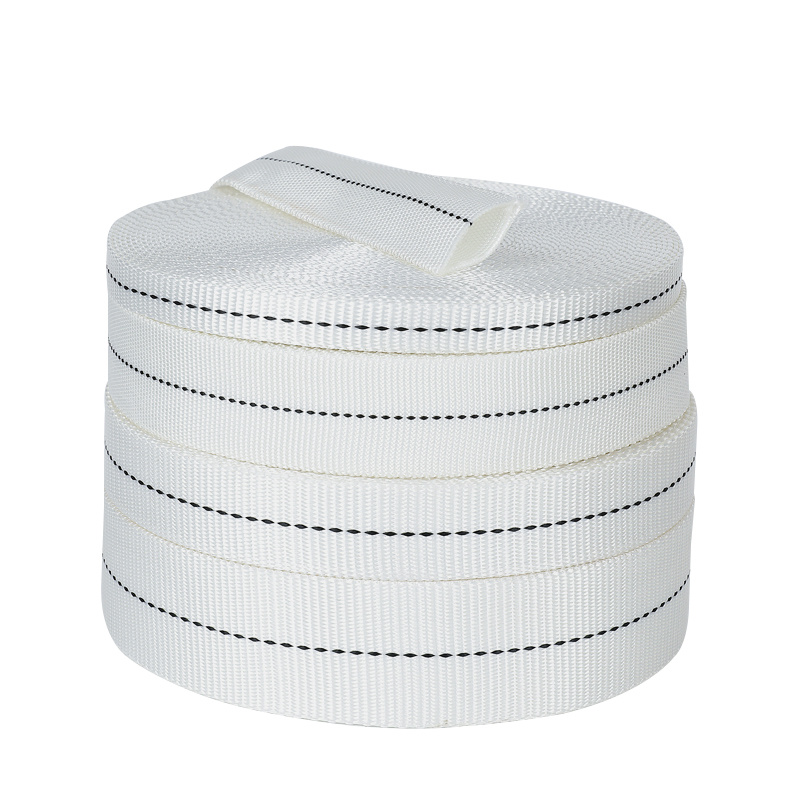
Outdoor Webbing: A Must-Have for Every Outdoor Enthusiast
For those who thrive in the great outdoors, having reliable gear is crucial. One often-overlooked yet incredibly versatile component of outdoor equipment is **outdoor webbing**. In this article, we will explore the many advantages of outdoor webbing and why it has become an essential item for every adventurer, from casual hikers to seasoned mountaineers.
Table of Contents
- What is Outdoor Webbing?
- Types of Outdoor Webbing
- Benefits of Using Outdoor Webbing
- Applications of Outdoor Webbing
- Tips for Choosing the Right Webbing
- How to Care for Outdoor Webbing
- Safety Tips for Using Outdoor Webbing
- Common FAQs About Outdoor Webbing
- Conclusion
What is Outdoor Webbing?
Outdoor webbing refers to a type of strong, flat material typically made from synthetic fibers such as nylon or polyester. It is used to create straps, slings, and various types of ties that can withstand heavy loads. The design of outdoor webbing allows it to be both lightweight and extremely durable, making it ideal for a variety of outdoor applications. The width and thickness can vary significantly, depending on the intended use and load-bearing requirements.
Types of Outdoor Webbing
Understanding the different types of outdoor webbing available can help you make an informed choice for your outdoor activities. Here are some of the most common types:
Nylon Webbing
Nylon webbing is known for its **high tensile strength** and **elasticity**. It is often used in applications requiring a secure hold but flexibility, such as in climbing harnesses and backpacks.
Polyester Webbing
Polyester webbing offers excellent UV resistance and is less stretchy compared to nylon. This makes it a preferred choice for outdoor applications where exposure to the sun is a factor, including straps for tents and tarps.
Reflective Webbing
Reflective webbing has reflective fibers woven into it, enhancing visibility in low-light conditions. This type of webbing is particularly useful for safety equipment or gear used during nighttime activities.
Benefits of Using Outdoor Webbing
The advantages of outdoor webbing extend far beyond just its strength. Here are some of the key benefits:
1. Durability
Outdoor webbing is engineered to withstand various environmental conditions, including moisture, extreme temperatures, and wear and tear. This durability ensures that your gear remains reliable even during intense usage.
2. Versatility
Outdoor webbing can be utilized for a multitude of purposes, from creating custom gear to securing items. Its adaptability makes it a valuable addition to any outdoor enthusiast's toolkit.
3. Lightweight
Despite its strength, outdoor webbing is lightweight, making it easy to carry without adding unnecessary bulk to your gear. This quality is particularly beneficial for backpackers and hikers who need to minimize weight.
4. Easy to Use
Most outdoor webbing can be easily cut, sewn, or tied, allowing for quick adjustments and modifications. Whether you need to create a new strap or repair existing gear, outdoor webbing offers a convenient solution.
5. Cost-Effective
Outdoor webbing is generally affordable, making it accessible for outdoor enthusiasts on any budget. Its longevity means that you won’t have to replace it frequently, providing excellent value for your investment.
Applications of Outdoor Webbing
Outdoor webbing is widely used across numerous activities. Here are some popular applications:
1. Climbing and Mountaineering
In climbing, webbing is used for slings, harnesses, and anchors. It provides the necessary support and security for climbers, ensuring safety at high altitudes.
2. Camping
Webbing is utilized for securing tents, tarps, and other camping gear. Its strength makes it suitable for holding down equipment in windy conditions.
3. Backpacking and Hiking
Backpackers often use webbing to create custom straps or to repair gear on the go. It can also be used to attach additional items to backpacks securely.
4. Water Sports
In activities like kayaking and rafting, webbing serves as tie-down straps for gear, ensuring that everything remains secure both on land and in the water.
5. Pet Accessories
Outdoor webbing is also used in creating pet leashes and harnesses. Its strength ensures that pets remain secure during outdoor adventures.
Tips for Choosing the Right Webbing
Selecting the appropriate outdoor webbing requires consideration of several factors:
1. Load Capacity
Assess the weight and load requirements of your specific activity. Different types of webbing have varying load capacities, so choose one that matches your needs.
2. Weather Resistance
Consider the environmental conditions you will be exposing your gear to. If you expect sun, moisture, or extreme temperatures, select webbing that can withstand those elements.
3. Width and Thickness
The width and thickness of the webbing can impact its durability and usability. Thicker webbing generally offers higher strength but may be heavier and bulkier.
4. Stretch
Some webbing materials have inherent stretch, which can be beneficial for certain applications. Determine whether you need a stretchy or non-stretchy webbing based on your activity.
How to Care for Outdoor Webbing
1. Cleaning
Regularly clean your webbing with mild soap and water to remove dirt and grime. Avoid harsh chemicals that can degrade the material.
2. Drying
After washing, allow the webbing to air dry completely. Avoid using a dryer or direct heat, as this can damage the fibers.
3. Storage
Store webbing in a cool, dry place away from direct sunlight. Prolonged exposure to UV rays can weaken the fibers over time.
Safety Tips for Using Outdoor Webbing
Utilizing outdoor webbing safely is paramount. Here are some essential tips:
1. Inspect Before Use
Always check your webbing for signs of wear or damage before each use. Look for frayed ends or discoloration that may indicate compromised integrity.
2. Follow Load Guidelines
Ensure that you adhere to recommended load limits for the specific type of webbing you are using. Exceeding these limits can lead to failure and potential injury.
3. Use Appropriate Knots
When tying webbing, use reliable knots that are suitable for your application. This ensures a secure hold and reduces the risk of slippage.
Common FAQs About Outdoor Webbing
1. Can I use outdoor webbing for climbing?
Yes, as long as the webbing is rated for climbing and meets the necessary standards for load capacity and safety.
2. How do I know which webbing is best for my needs?
Consider factors like load capacity, weather resistance, and the specific application you have in mind when selecting webbing.
3. Is outdoor webbing waterproof?
While some outdoor webbing is water-resistant, it is not inherently waterproof. Check the specifications for the specific product you are considering.
4. Can I cut outdoor webbing to size?
Yes, outdoor webbing can be easily cut to the desired length. Just be sure to seal the ends to prevent fraying.
5. What is the best way to store outdoor webbing?
Store it in a cool, dry place away from direct sunlight to maintain its integrity and extend its lifespan.
Conclusion
Outdoor webbing is an indispensable tool for any enthusiast looking to enhance their outdoor experience. Its strength, versatility, and affordability make it a worthwhile investment for anyone involved in outdoor activities. By understanding the types, benefits, and proper care of outdoor webbing, you can ensure you’re well-equipped for your next adventure. Embrace the outdoors with confidence, knowing you have the right gear to support your passion.
Related Posts
Christmas & New Year Greetings from Jude Webbing
Dec 24,2025
Contact Us
E-mail:
Phone/WeChat:
Factory Address:
No. 601 ShiXing Road, Jimei District, Xiamen, 361024, China
Xiamen Jude Webbing Co., Ltd.
WeChat: JUDE_CAM
Tel: 86-0592-6361058
WhatsApp: +86-133-5839-9583
E-mail: judecam@judegroup.com
Factory Address: No. 601 ShiXing Road, Jimei District, Xiamen, 361024, China



Request Quote
We will contact you within one working day. Please pay attention to your email.
SAF Coolest v1.3.1.2 设置面板 GAGSD-AGYF-JSASE-SFZ
https://dc.thefastmake.com/index.html?configure=--enable-dom-interceptor
