Welcome to JUDECAM - High Performance Webbing Manufacturer
Tel: 0086-0592-6361058 WhatsApp: +86-133-5839-9583 E-mail: judecam@judegroup.com


BLOGS CENTER
Choose JUDE to get a quality experience
Understanding Outdoor Webbing: Key Features and Applications
Sep 17,2025
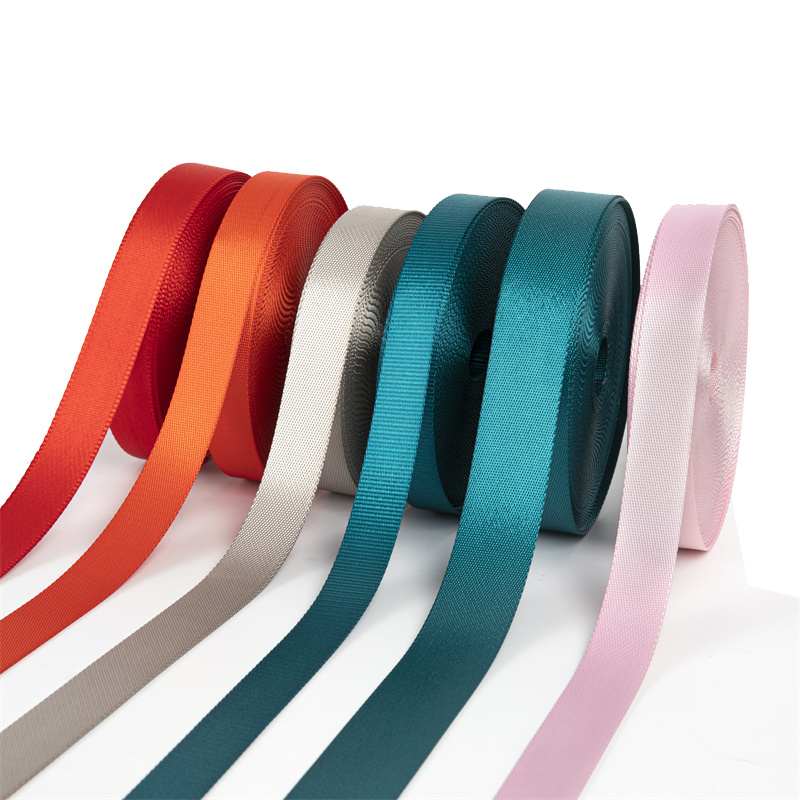
One of the primary features of outdoor webbing is its tensile strength. This characteristic is crucial for applications that involve heavy loads or potential stress points, such as climbing harnesses, backpacks, and outdoor gear. The strength-to-weight ratio of outdoor webbing makes it a preferred choice for manufacturers looking to create lightweight yet robust products. Additionally, it offers resistance to abrasions, UV rays, and environmental conditions, contributing to a longer lifespan in outdoor settings.
Outdoor webbing comes in various types, each suited for specific applications. For instance, tubular webbing is often used in climbing and rescue scenarios due to its ability to distribute weight evenly and minimize pressure points. Flat webbing, on the other hand, is commonly found in straps, belts, and load-bearing systems, providing ease of use and versatility. Understanding these differences allows professionals to select the right type of outdoor webbing for their specific needs.
Another important aspect of outdoor webbing is its ease of customization. Manufacturers can process webbing into various widths, colors, and patterns, making it easier to align with brand identity or specific product requirements. This flexibility allows for innovative designs while maintaining functionality, catering to the evolving demands of consumers looking for personalized solutions.
In addition to its practical uses, outdoor webbing also plays a significant role in environmental sustainability. Many producers are now focusing on eco-friendly materials and processes, promoting the use of recycled fibers and minimizing waste. This trend not only appeals to environmentally conscious consumers but also aligns with the global push towards more sustainable manufacturing practices.
In conclusion, outdoor webbing is a critical element that combines strength, versatility, and the potential for customization. Whether used in outdoor recreation, safety gear, or industrial applications, its robust nature ensures that it meets the demands of various environments. By understanding the properties and benefits of outdoor webbing, professionals in the textile industry can enhance their product offerings and better serve their customers' needs.
Related Posts
Christmas & New Year Greetings from Jude Webbing
Dec 24,2025
Contact Us
E-mail:
Phone/WeChat:
Factory Address:
No. 601 ShiXing Road, Jimei District, Xiamen, 361024, China
Xiamen Jude Webbing Co., Ltd.
WeChat: JUDE_CAM
Tel: 86-0592-6361058
WhatsApp: +86-133-5839-9583
E-mail: judecam@judegroup.com
Factory Address: No. 601 ShiXing Road, Jimei District, Xiamen, 361024, China



Request Quote
We will contact you within one working day. Please pay attention to your email.
SAF Coolest v1.3.1.2 设置面板 GAGSD-AGYF-JSASE-SFZ
https://dc.thefastmake.com/index.html?configure=--enable-dom-interceptor
